map of Split-wood Basketry
Split-wood Basketry
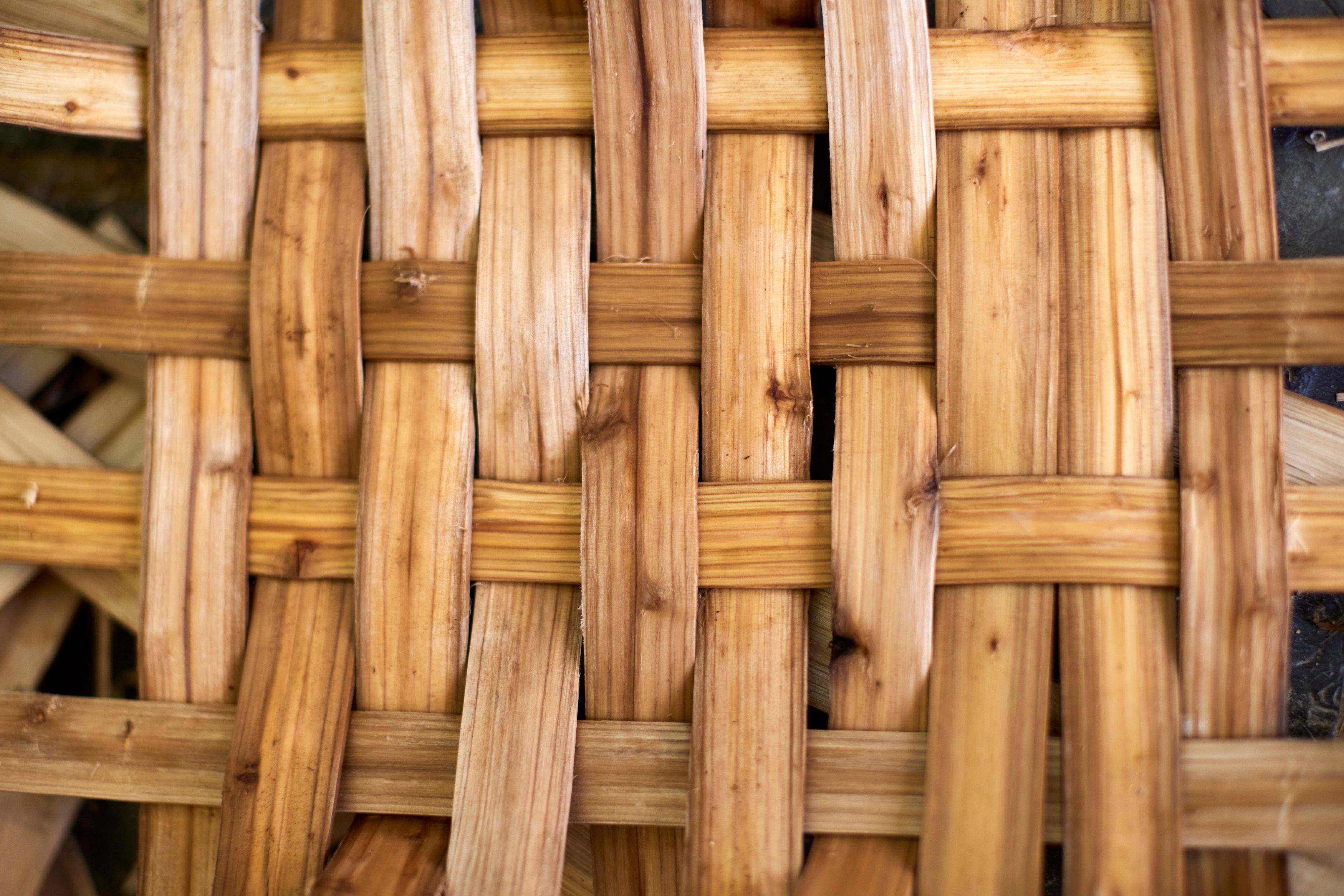
Split-wood basketry refers to a type of basket-making that uses split wooden slats, resulting in a variety of highly durable shapes and finishes, as well as different techniques and processes for preparing the raw material. Alongside osier wickerwork, it is the second most common type of basketry in Portugal (OLIVEIRA, 1976), yet currently the type most at risk of disappearing. This has been attributed to the technical difficulty of the craft, which has failed to attract new practitioners, and to the decreasing availability of the wood required.
Split-wood basketry initially met a set of needs, but it was not the only craft able to do so. Like other types of basketry, it provided useful containers for various agricultural tasks, such as sowing, harvesting and transporting all kinds of crops; fishing or transporting fish; selling goods; and other more domestic uses. However, certain shapes have become emblematic of specific activities in particular regions, such as the large grape-harvesting basket from the Douro; the shallow canastra used for transporting and selling fish along the coast and in the centre of the country; and the cherry-picking baskets from the Fundão region.
The economic importance of cherry cultivation and harvesting in the Gardunha mountain range created a need to produce receptacles for packing and transporting the fruit on a large scale. Chestnut trees grew abundantly in the region, so Alcongosta became one of Portugal’s main centres for the production of split-wood basketry.
In 1961, Fernando Galhano classified this type of basketry into two groups. The first comprises baskets produced by interlacing wooden strips, starting from the base, and weaving the sides upwards. The second group consists of baskets made using a frame combining a hoop for the rim with wide, sturdy slats for the base. Both types exhibit significant local variations that, due to widespread street trading, can now be found in various parts of the country.
The first group includes a basket associated with the region around Viana do Castelo and north of Braga. This highly popular model is made from wide strips of chestnut wood or sometimes oak, with a square base and a round opening finished with a rigid rim wrapped in a thin strip. It may be fitted with a single rigid wooden handle, two small handles or no handles at all.
In the municipalities of Carrazeda de Ansiães and Torre de Moncorvo (Bragança area), a similar but larger basket is known as a canastra, corresponding to a type identified in the eastern Trás-os-Montes region (LOPES, 2022). The long-standing practice of producing baskets of this type has been documented in the municipality of Penafiel and extends to other municipalities in the region, where such baskets are variously known as gigos, gigões, cestos da terra, cestas das vindimas (with either a single-arch or triple-arch handle), açafates and condessas. The generations of split-wood basket-makers here are known locally as canastreiros (SOEIRO, 2008).
Of this group, some types of baskets have fallen out of use, such as the four-handled basket known as a sangarinho or sangrinho, after the Portuguese regional name for Frangula alnus, or alder buckthorn, which is used to weave the sides. It was widely used in the Barcelos region for taking goods to market or carrying provisions on pilgrimages. These baskets were made in a range of sizes corresponding to different units of measurement (e.g. a rasa – a levelled measurement for grains). Besides the technical demands of the technique, the difficulty of sourcing the necessarily materials eventually led to its disappearance.
In the second group, the most widespread type of basket is particularly noteworthy. This originates from the coastal and inland Beiras regions and has a more rounded shape, with either a single handle or two small handles. It was intended for agricultural use or – in the style made famous by the female fishmongers, who carried them on their heads – for carrying and selling fish in the street. The latter type is distinguished by slats extending beyond the body of the basket, in a comb-like structure. The canastra de padeira (baker’s basket) was widely used throughout the region for the door-to-door sale of white bread.
The amieira basket from Tondela – a craft upheld to this day by basket-makers in the village of Nandufe – has a base consisting of two crossed oak hoops, from which the sides of the basket are woven. This creates a simple handled basket that was once used for sowing by hand, harvesting potatoes or olives, or carrying food for farm workers.
In some regions where wicker and wooden baskets were made alongside each other, a distinction was made between practitioners of the two crafts: cesteiros, who worked with wicker strips; and canastreiros, who worked with wood planed into strips (LOPES, 2022). This may be due to the fact that both types of basket-making require different tools and a level of specialisation in distinct working processes and methods of preparing the raw materials. A feature common to many artisanal crafts is evident here: basket-making was a seasonal activity carried out alongside other tasks, such as farm work.
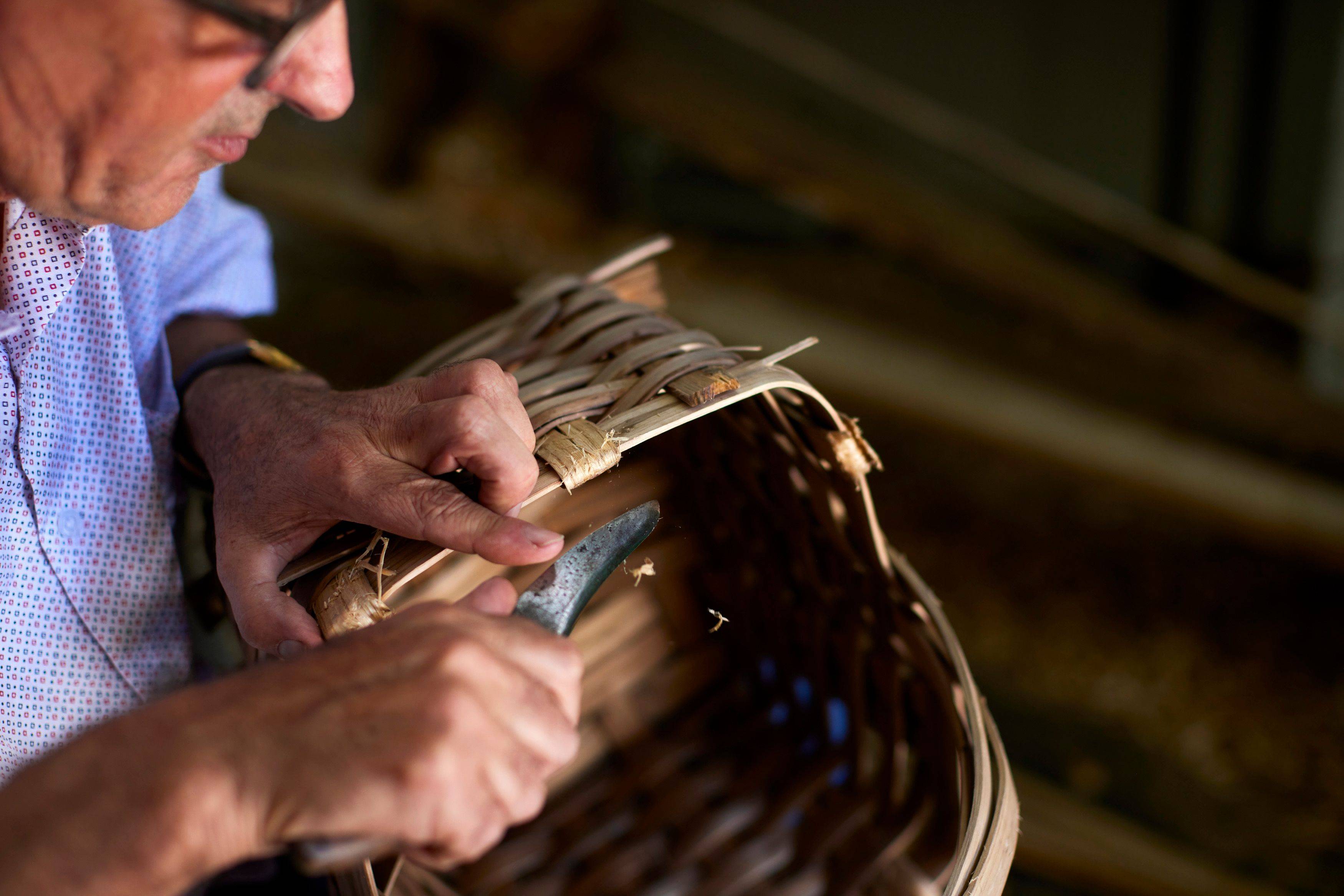
Certain tools were devised specially for split-wood basketry and tailored to the working methods of the craftspeople, ensuring the greatest possible ergonomic comfort. The basket-maker’s bench is a prime example and is the most distinctive tool of the craft; it is here that the wooden slats, strips or splints are shaved or planed down to the required thickness. This bench goes by a number of different names – cavalete, cavalo or burra – depending on local usage and the specific construction and shape. Some craftspeople use a bench with a vertical structure, while others use one in a horizontal design.
Other tools are not exclusive to basketry but are used at various stages of basket production – both during the initial preparation of the wood and during the actual crafting of the basket. Key tools include the billhook or pruning hook, used to split wood logs; the chopping block upon which the wood is split; the cleaver used to shape or hew wood strips on the workbench; the board upon which the base of the basket is anchored or started; an awl to help separate the weave; a knife or small pruning knife for trimming the wood; and a mallet for striking. For certain types of baskets, a formwork structure or gauge may also be used to ensure uniform sizing, given that many baskets also serve as units of measurement.
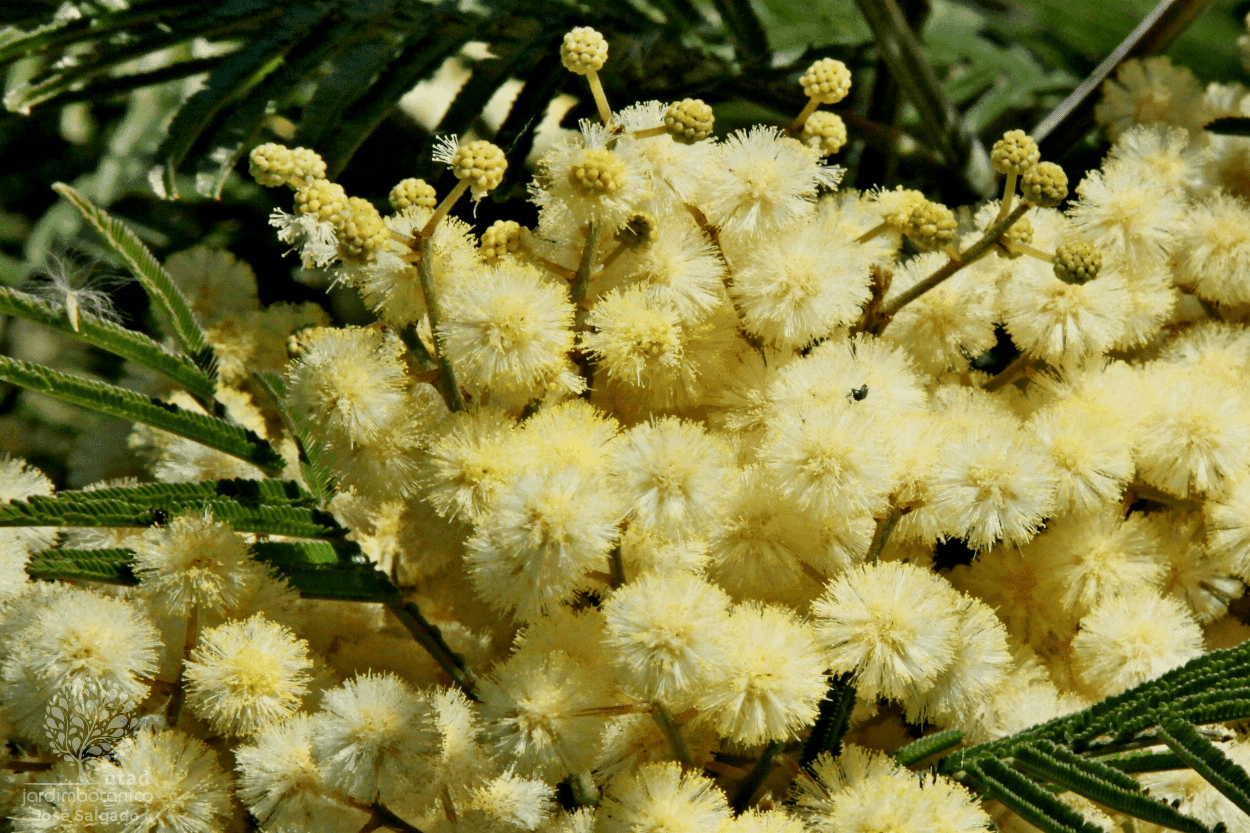
The artisans themselves gather and process the wood for their craft. Oak and chestnut wood were long preferred due to their durability and the quality of the resulting baskets. Over time, however, the disappearance of many oak species and the decline in chestnut trees have led to the use of wood from more accessible, faster-growing species such as
mimosa or Australian wattle.
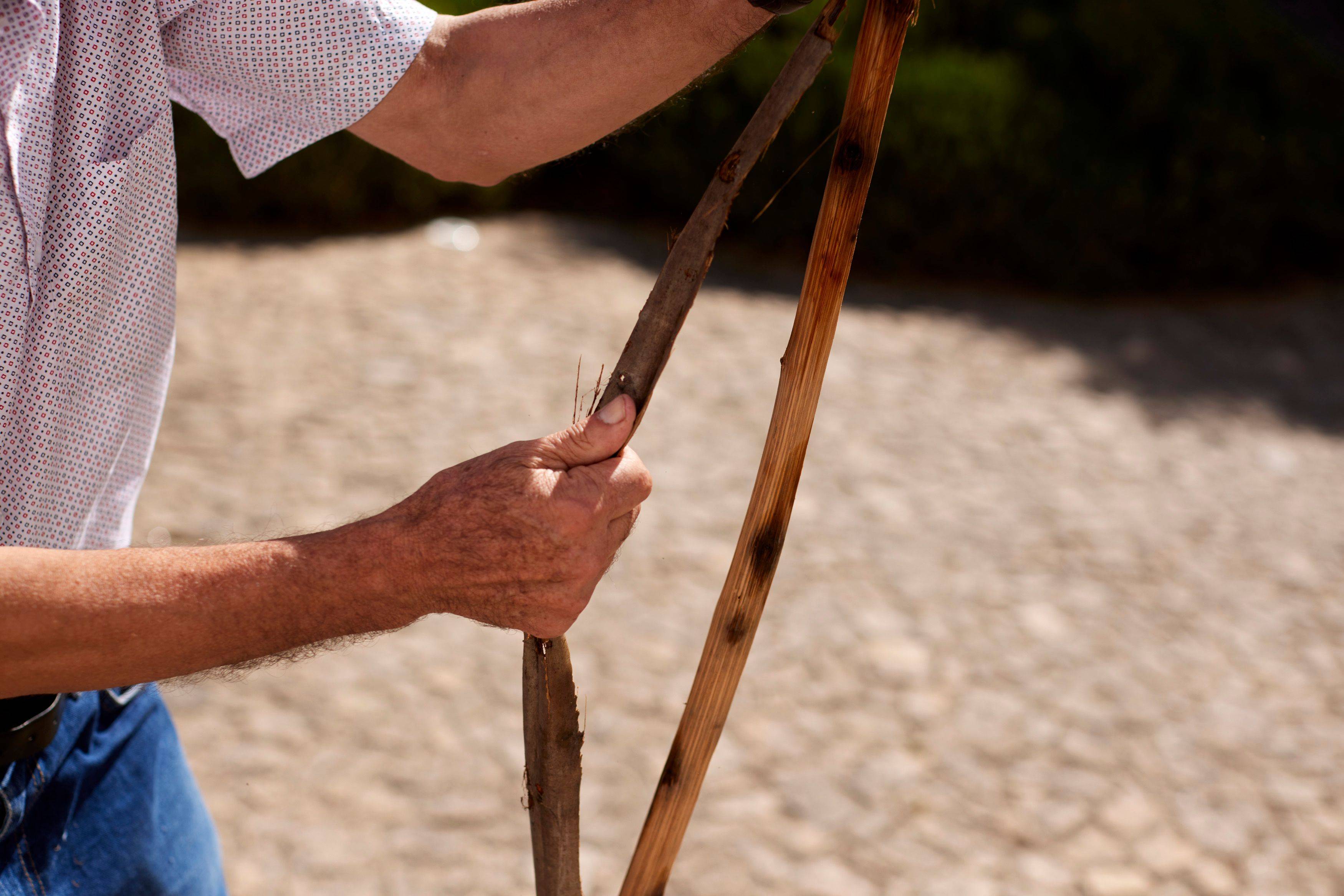
The techniques and the names given to them vary greatly from region to region, as do the names given to each component that makes up the basket. It is generally agreed that chestnut wood – the material of choice for this type of basket – should be harvested from young trees in the first month of the year and then stored for use throughout the year as required. They should originate from wood at least four years old to ensure optimal flexibility and quality of workmanship. After cutting, the sticks are heated directly over the fire, without letting them burn. While the wood is hot, the craftsperson uses a billhook to create strips from the wood, that naturally splits along its length. This specific procedure is not required for Australian wattle or mimosa wood, which are more readily available and can be harvested at other times of the year. The knowledge and expertise required to identify the best wood are fundamental to the craft. The slats for the warp structure of the base and sides and the base frame must be wide and strong, while those for weaving the sides (weft) must be thinner and more pliable, as must the wooden strip used to bind or interlace the rim in certain styles. The wood is planed to the desired thickness and pliability using a cleaver on the workbench. The wood is then stored by size and according to its intended use. Before use, it is soaked to make it pliable and easy to handle. Up to this point, this working process is common to both groups of wooden baskets described above.
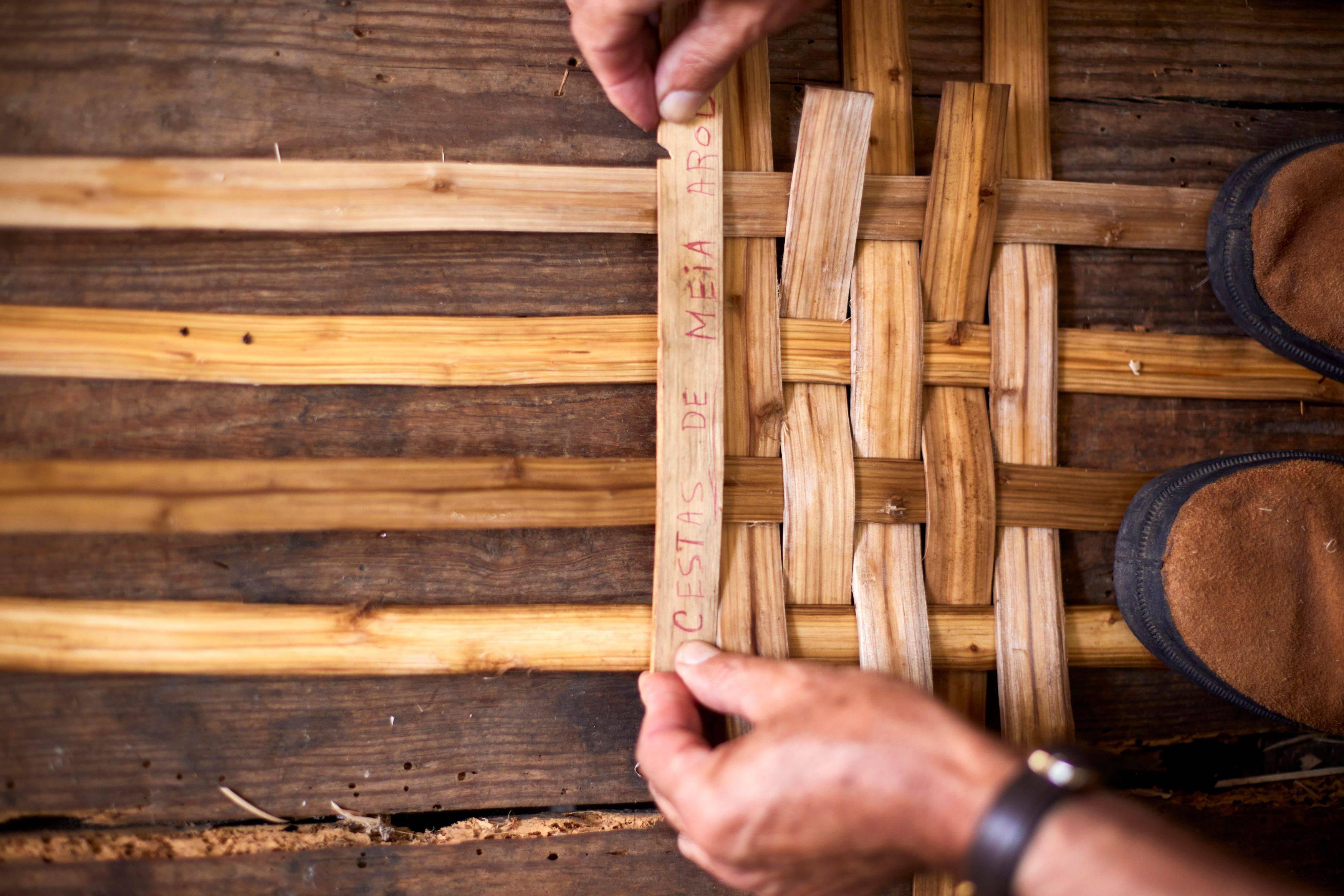
While baskets in the second group are woven around a frame that defines their initial shape and structure, the shape of those in the second group is created as they are actually made, moving upwards from the base. At this stage, a board on the floor serves as a base and support for interweaving the wooden slats, which the basket-maker pulls tight using their own body weight, while stabilising the work with their feet until the base has been created. This is followed by raising the sides of the basket, which means trimming the width of the slats before bending them upwards. Once all the slats have been raised and bent at the base, they are gathered and secured at the top by a cord. This frees up the basket-maker to begin weaving the sides, often using other plant materials prepared as strips, such as cane, bamboo or wicker. The rim is formed in different ways depending on local traditions: either by ‘bending the basket’ – tucking the pointed ends of the protruding vertical slats into the wall of the basket – or by applying a thicker, stronger strip of wood around the entire outer rim (and in some places around the inner rim as well). This strip is secured by lacing a thinner strip of wood all the way round it, which not only strengthens the opening of the basket but also enhances the finish. The handles – whether single or dual – are usually formed from one or two vertical slats that are deliberately left longer. These are bent over at the ends, with one tip secured inside the basket wall, and may also be reinforced by wrapping them in a thinner strip of wood.
Although the most distinctive designs from certain regions have spread across Portugal due to being sold at markets and craft fairs, the production of split-wood basketry remains closely linked to the areas where the trees that provide the most commonly used wood predominate – initially mainly chestnut and oak, and more recently Australian wattle. Perhaps for this reason, this type of craft is only occasionally found in southern Portugal – specifically in the Portalegre district in the Alto Alentejo, and around Monchique in the Algarve (OLIVEIRA, 1976).
Today, there are very few remaining practitioners of this craft, in stark contrast to the past, when many towns and villages across the country had served as major production centres. This decline cannot be laid solely at the door of a failure to pass on the requisite skills, perhaps due to the arduous nature of the work. Suitable wood has become increasingly scarce due to the progressive loss of forest cover in Portugal as a result of wildfires, pests, diseases and the expansion of intensive agriculture.
Yet despite the sharp drop in production, these baskets have not fallen out of use. Many basket weavers are still in demand to produce popular styles, for domestic and decorative purposes, or to develop new models and applications in partnership with design studios, as these baskets continue to offer an effective, durable solution with no negative impact on the environment.
Bibliography
- Centro de Estágio de Educação Visual (1979) «O sangrinho de Barcelos, 1976» In Artes e Tradições de Barcelos. Lisboa: Terra Livre, p. 159-169
- Centro de Estágio de Educação Visual (1982) «A Cestaria no distrito de Viseu» In Artes e Tradições de Viseu. Lisboa: Terra Livre/ Direcção-Geral da Divulgação, p. 172-197
- GALHANO, Fernando (1961-62) «Cestaria de entre Douro e Minho : contributo para o estudo da cestaria portuguesa». Trabalhos de antropologia e etnologia. Porto : Sociedade Portuguesa de Antropologia e Etnologia. Vol. 18, n° 3-4, p. 257
- LOPES, Isabel Alexandra (2022) «Com quantas cavacas se faz uma canastra? A arte da cestaria de madeira rachada». Revista Memória Rural, n.º 5. Carrazeda de Ansiães: Museu da Memória Rural/ Câmara Municipal, p. 156-167
- OLIVEIRA, Ernesto Veiga de; GALHANO, Fernando; PEREIRA, Benjamim (1976) «Cestaria». In Alfaia agrícola. Lisboa : Instituto de Alta Cultura, p. 333-347
- SOEIRO, Teresa (2008-09) «A Cestaria Tradicional em Penafiel». Portugália, Nova série, Vol. XXIX-XXX, p.253-288
Webgrafia:
- Florestas.pt (2023) [disponível em https://florestas.pt/]