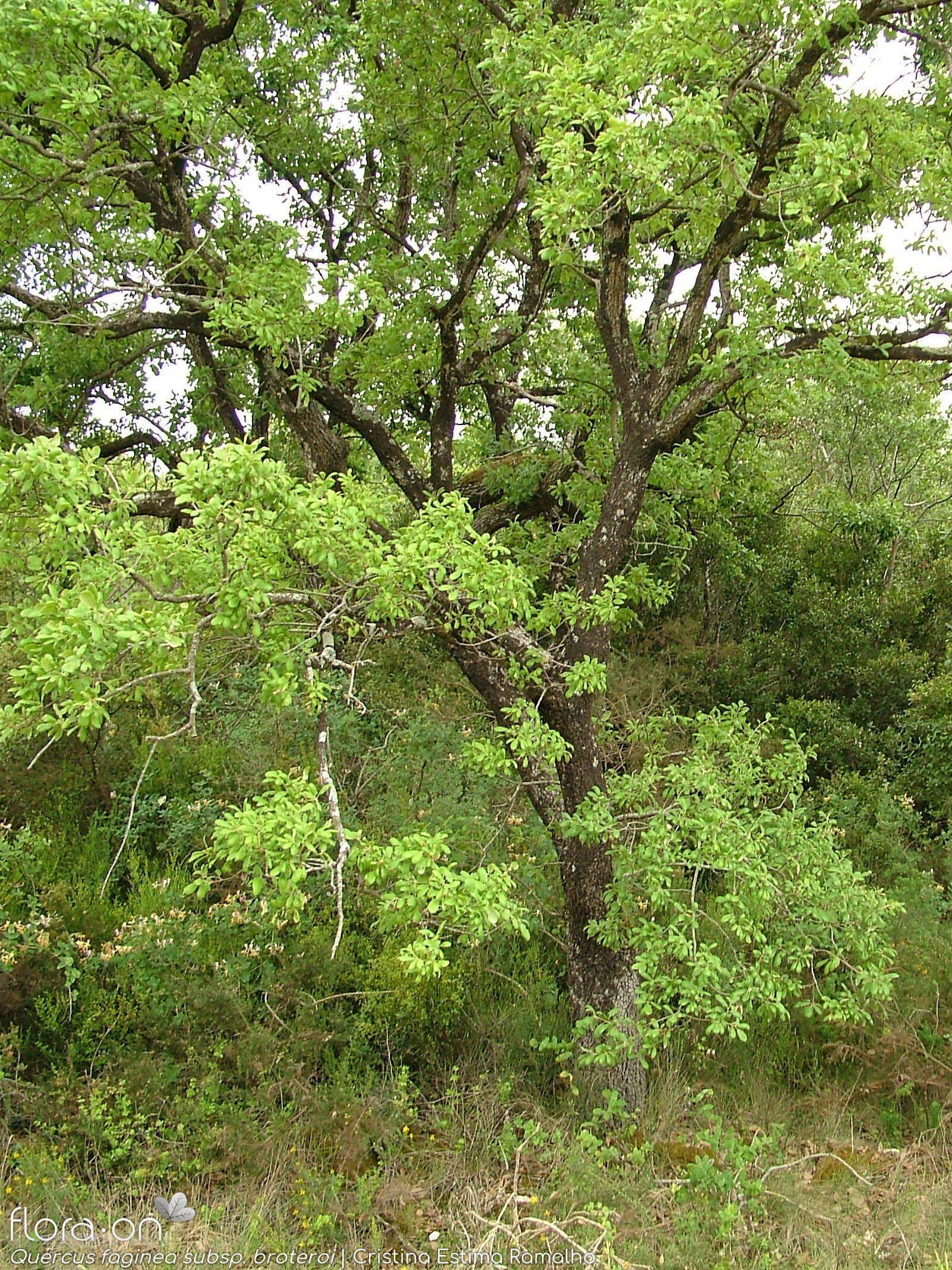
Oaks (species of the genus Quercus L.) are trees which can be deciduous (their leaves fall in autumn and winter), evergreen or marcescent (in the latter case, the leaves only fall when new leaves emerge). The Portuguese oak (‘cerquinho’) can reach a height of around 20 metres, while the Pedunculate oak can exceed 40 metres, with a lifespan of hundreds of years.
Flowering takes place between March and April, and the fruit, the acorn, ripens between September and October. Acorns are an important part of the traditional diet of wild animals due to their high nutrient content (proteins, fat, carbohydrates, minerals), particularly wild boars, deer, squirrels and birds, as well as livestock animals such as pigs. In the past, acorns were part of the human diet, in the form of flour used to make bread-like products, and more recently in confectionery. They are also eaten roasted.
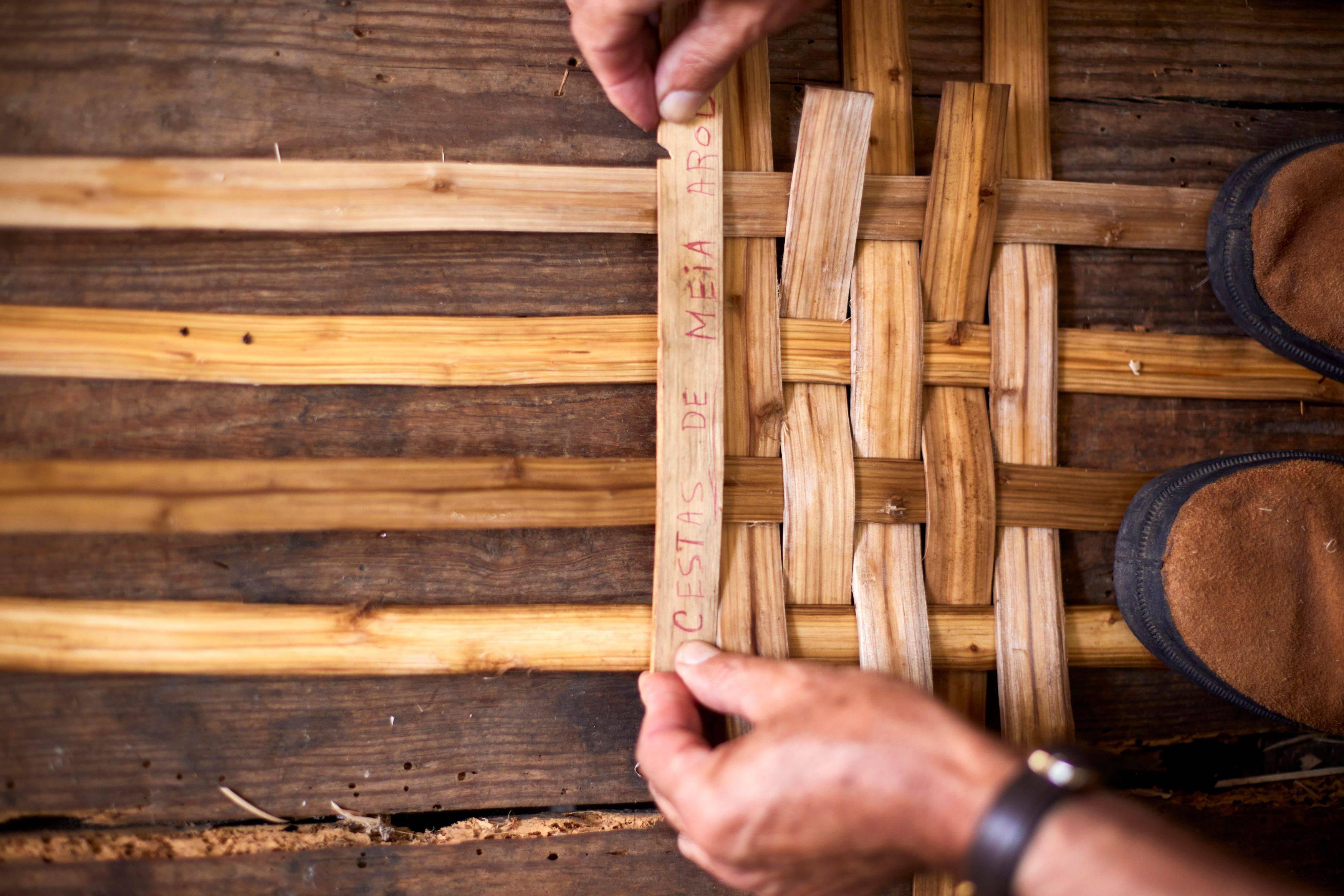
Oak trees produce high-quality timber that is strong, dense and easy to work with. It is used to make wine barrels and furniture (Pedunculate and Portuguese oak); in traditional crafts, it is used to produce split-wood basketry.
The cork oak (Quercus suber L.) is of significant economic value as it is the source of cork, an extremely versatile raw material widely used in the wine industry (for corks), as well as in the construction, footwear and other industries. It plays a major role in the national economy, with Portugal being the world’s largest exporter of cork.
During the age of maritime expansion, cork oaks were widely used in shipbuilding, which led to a significant reduction in their forest cover. In the 19th and early 20th centuries, agriculture replaced many woodlands and subsequent reforestation was carried out using other species, such as pine and eucalyptus, which are more profitable and useful for the paper industry. According to the 6th National Forest Inventory (2015), the area covered by oak trees (excluding cork oaks and holm oaks) accounts for just 81,700 hectares of the national territory.
Legislation has been introduced to protect and raise awareness of the native forest, such as the resolution of the Assembly of the Republic, passed on 22 December 2011, which designated the cork oak as Portugal’s national tree.
Bibliography
- Pinho, João Pinho; Santos, Cristina; Sampaio (2020). Árvores indígenas em Portugal Continental. Guia de utilização. Lisboa: ICNF [disponível em icnf.pt]
- Vila-Viçosa, Carlos; Capelo, Jorge; Alves, Paulo; Almeida, Rubim; Vázquez, Francisco Maria (2023). New annotated checklist of the Portuguese oaks (Quercus, Fagaceae). Mediterranean Botany ISSNe 2603-9109
[disponível em revistas.ucm.es]
Webgrafia
- Espécies do género Quercus [disponível em jb.utad.pt]