Exhibition
Portuguese craft production: the relevance of ancestral know-how
A Exposição Produção Artesanal Portuguesa: a atualidade do saber-fazer ancestral tem como fio condutor a promoção do reconhecimento da atualidade e relevância da produção artesanal para a sociedade contemporânea, que pode ser percebida em quatro eixos: o do Sentido quotidiano das produções, o do Respeito pela paisagem, o do Valor cultural e o da Resiliência económica.
Symbolic Dimension, Material Intelligence, Technical Meticulousness and Shelter are concepts that manifest themselves and intersect in a more or less obvious way in all the artefacts featured, revealing at the same time the diversity of raw materials and their connection to local territories.
The selection of the objects featured in this exhibition was therefore driven by the representativeness of the fundamental characteristics inherent to the handicrafts, by the diversity of raw materials and their connection to local territories, by the diversity of the work represented, and by the scope of the Portuguese national territory. This selection comprises only pieces currently in production, emphasising their contemporary character.
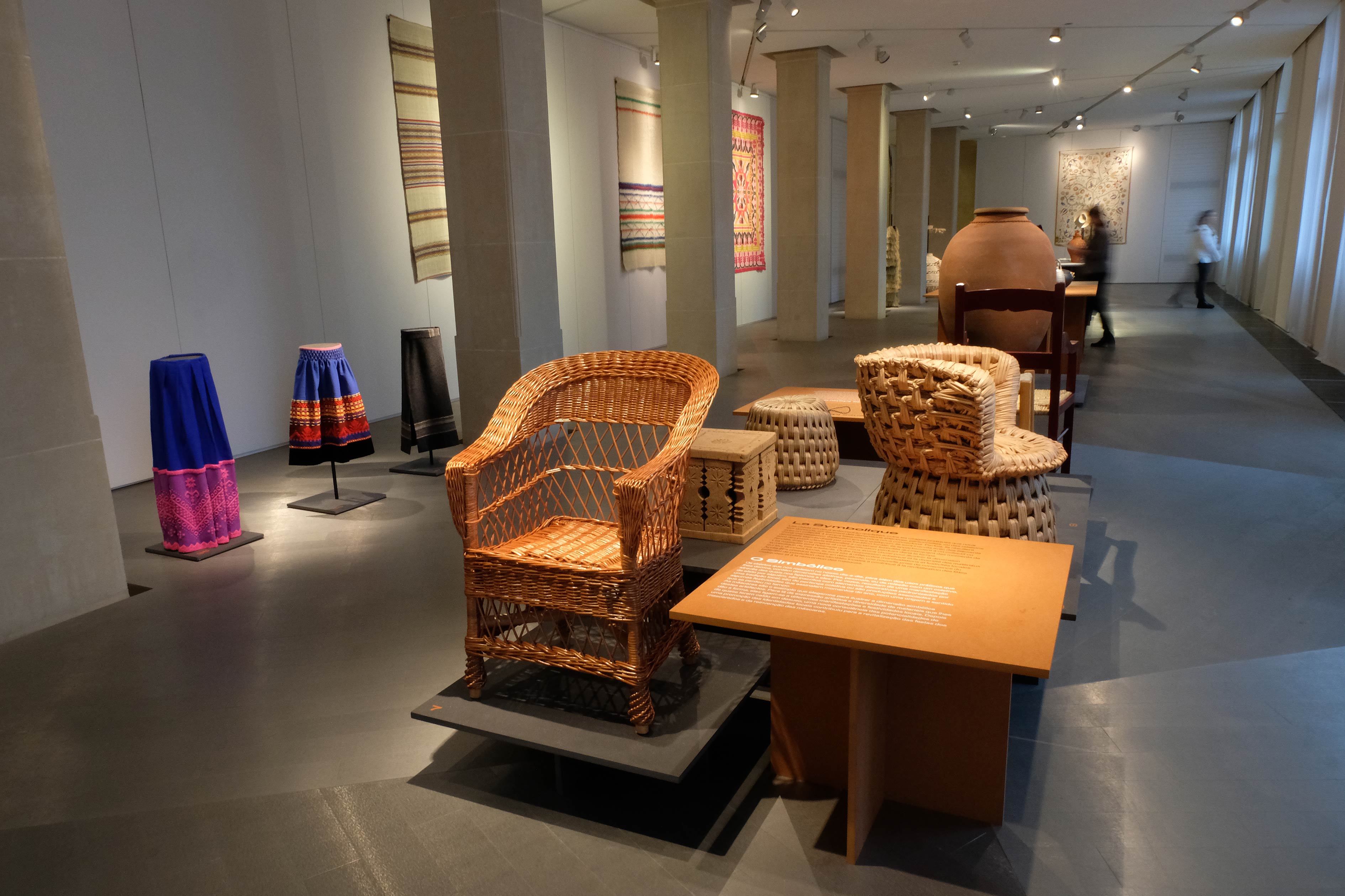
19 Liberté, Luxemburgo ©The Home Project Design Studio/2023
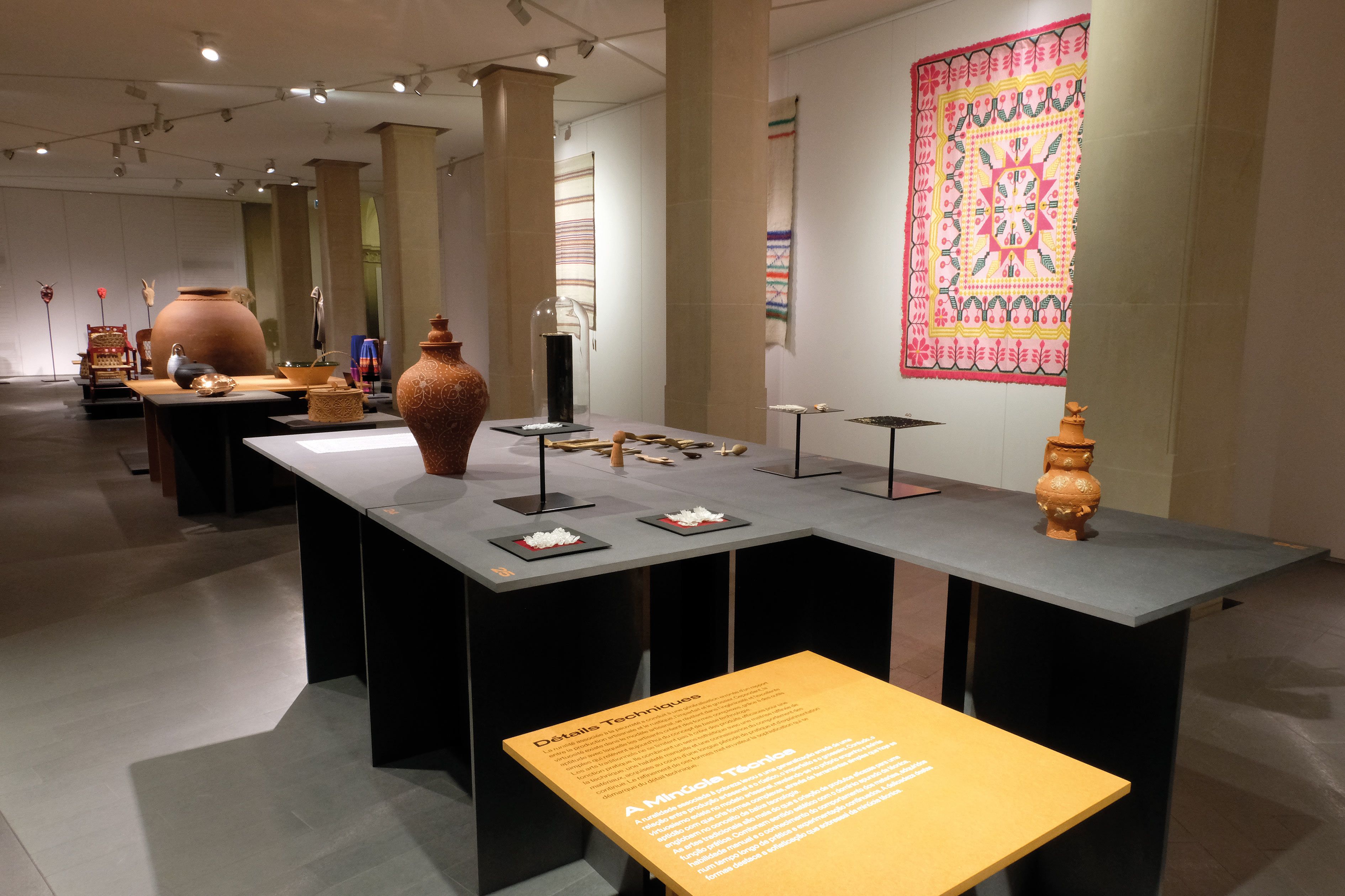
19 Liberté, Luxemburgo ©The Home Project Design Studio/2023
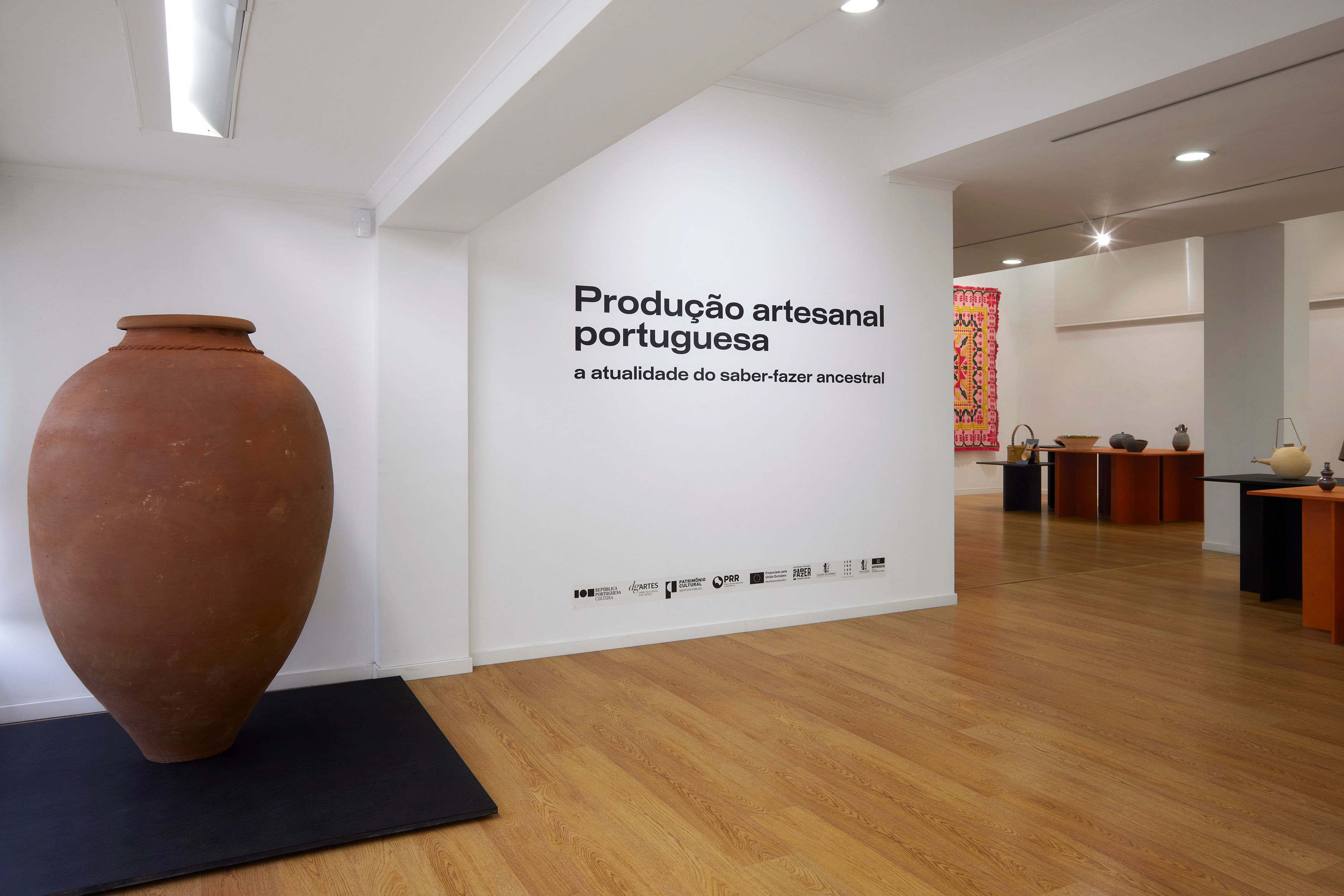
Espaço da Concas, Centro de Artes, Caldas da Rainha ©DGARTES/Vasco Célio-Stills/2024
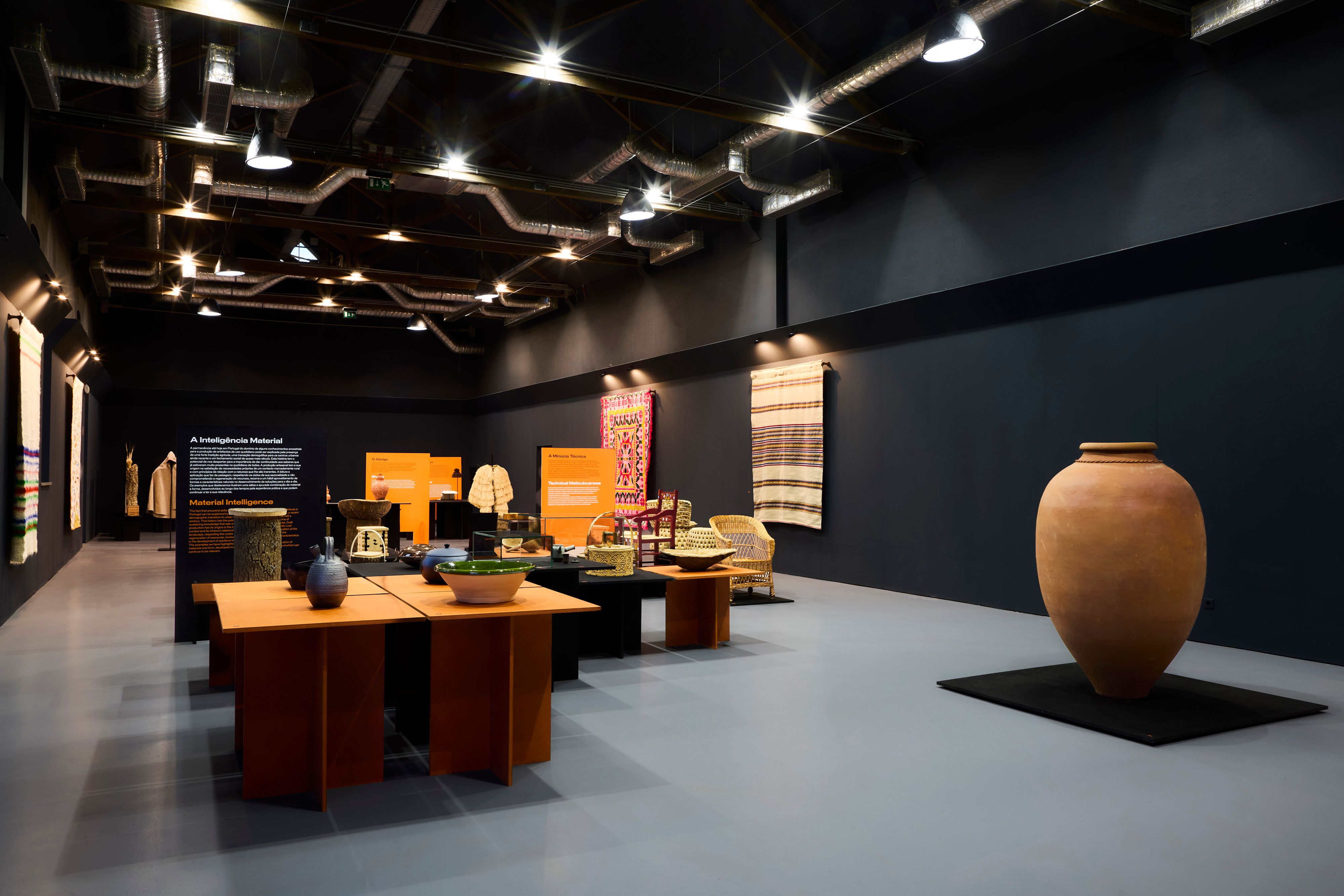
Centro de Artes e Cultura, Ponte de Sor ©DGARTES/Vasco Célio-Stills/2024
Symbolic Dimension
Beyond the practical uses we give them, the objects that surround us in our daily lives contain affective, personal dimensions and often a relationship with a collective, allowing us to resonate with the same. Sometimes they are an expression of affection for someone; are inscribed with decorative elements standardised by local tradition; belong to a collective; or are associated with festivities that mark moments of the year, with an origin and meaning that have been lost in time.
Masks are the example we have chosen to illustrate the symbolic dimension of these artefacts. Beyond the artistic expression and diversity of materials that give them form, they are linked to different events and festivities.
After almost falling into disuse, a renewed appreciation of their cultural heritage value and investment in promoting local identities has contributed to the revitalisation of masquerade festivals and the reinvention of masks.
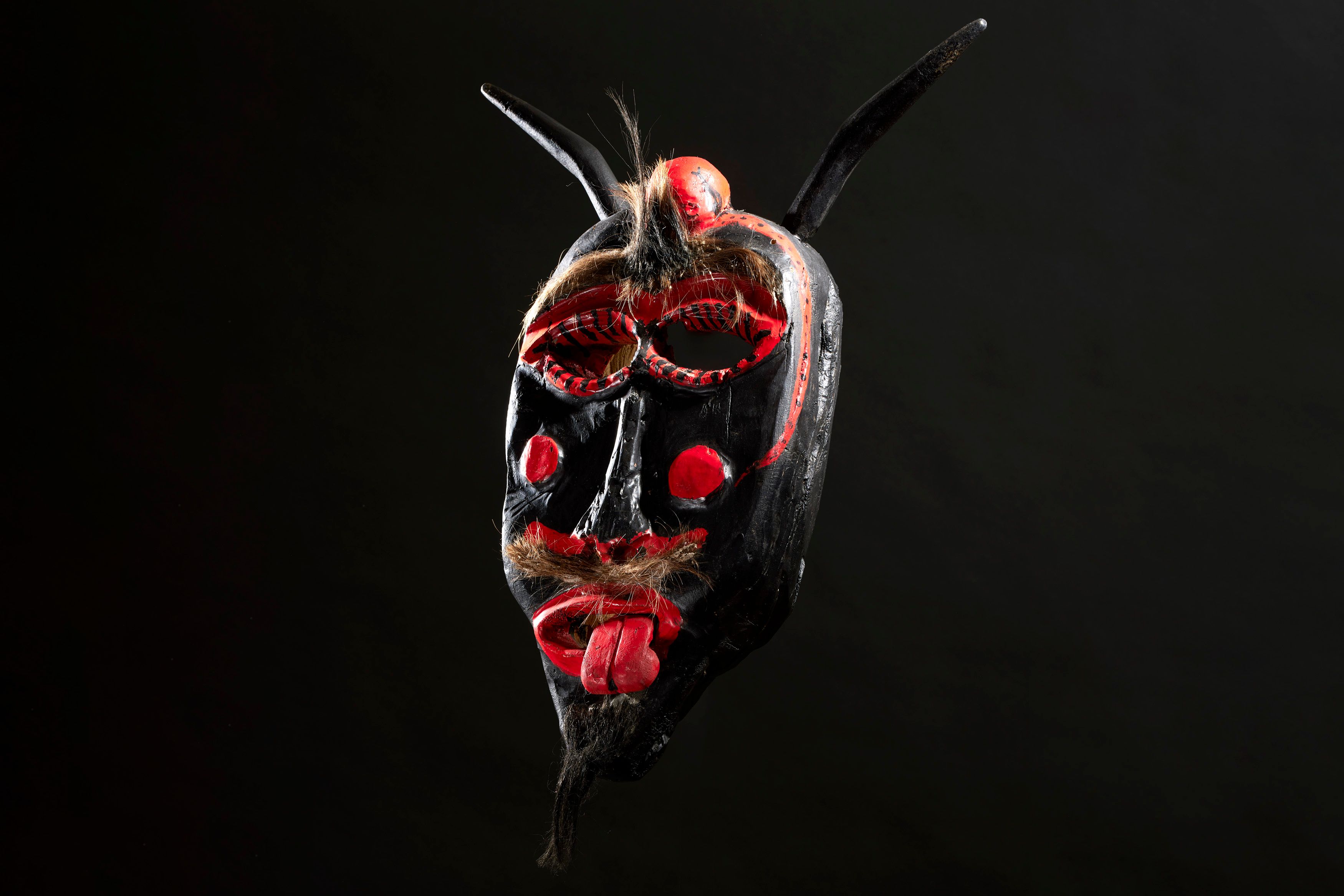
Máscara de chocalheiro “bravo”. Casimiro Lavrador. Bemposta, Mogadouro ©DGARTES/Vasco Célio-Stills/2023
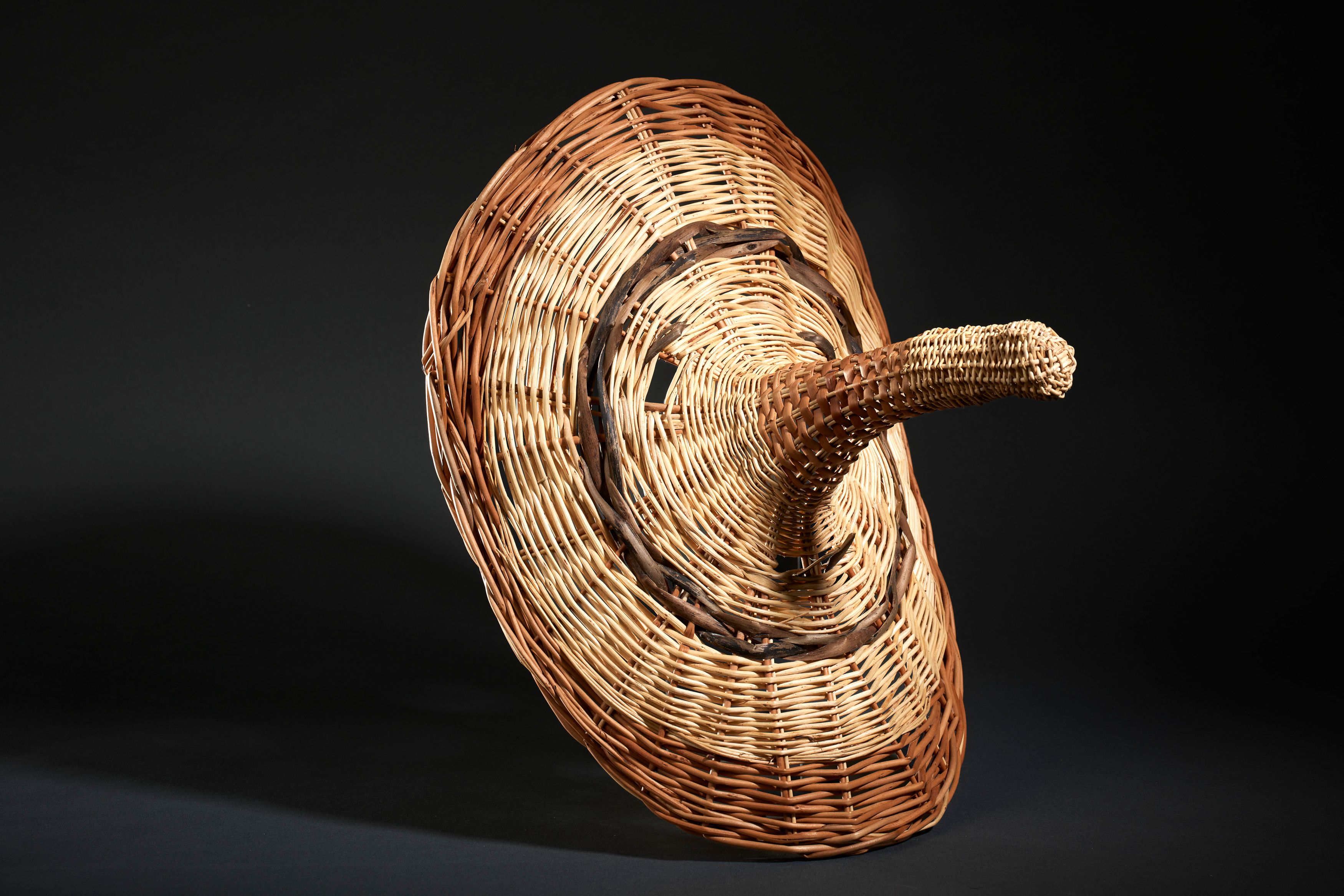
Máscara. Hélder Saraiva. Gonçalo, Guarda ©DGARTES/Vasco Célio-Stills/2023
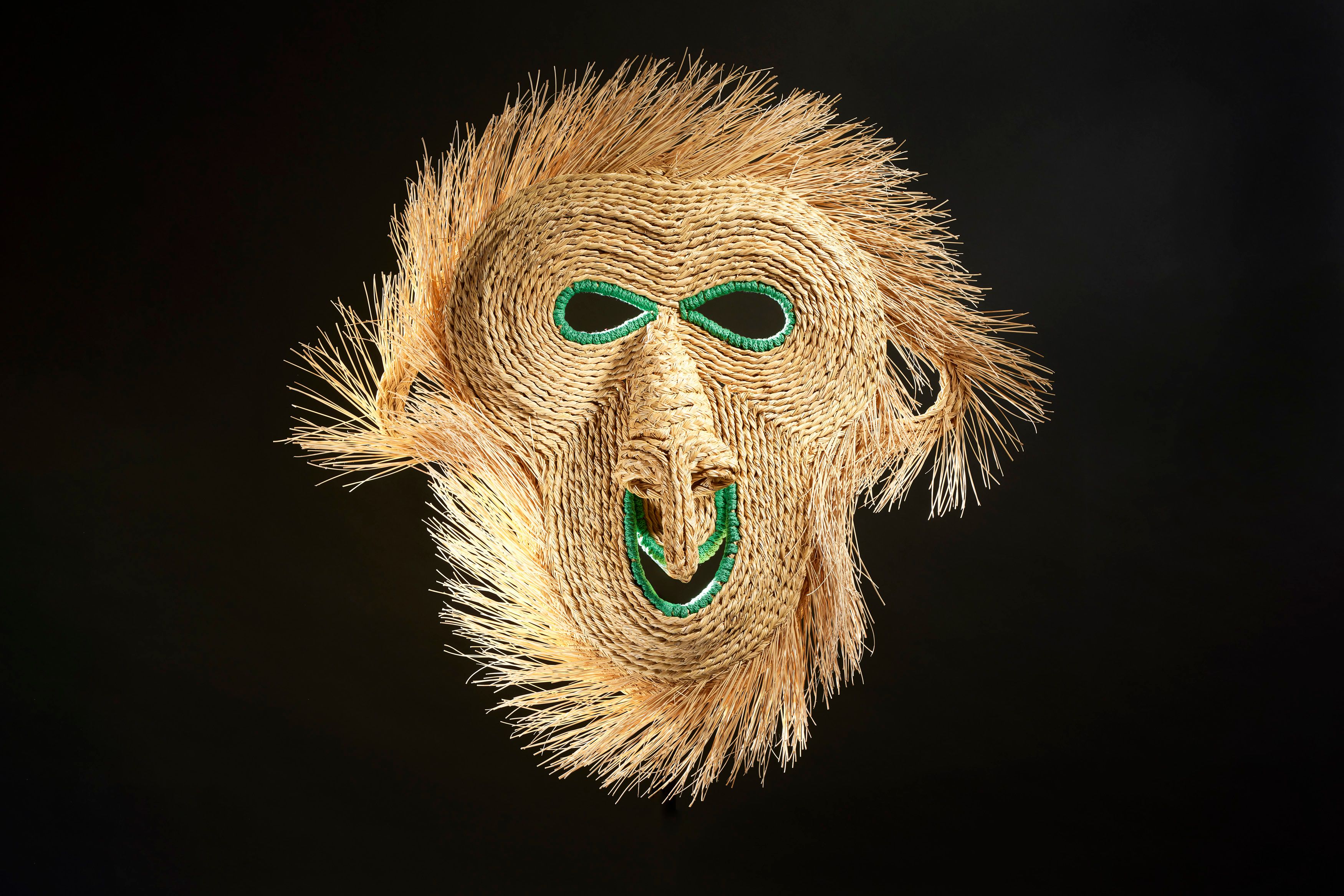
Junceto. Catarina Martins. Penedono ©DGARTES/Vasco Célio-Stills/2023
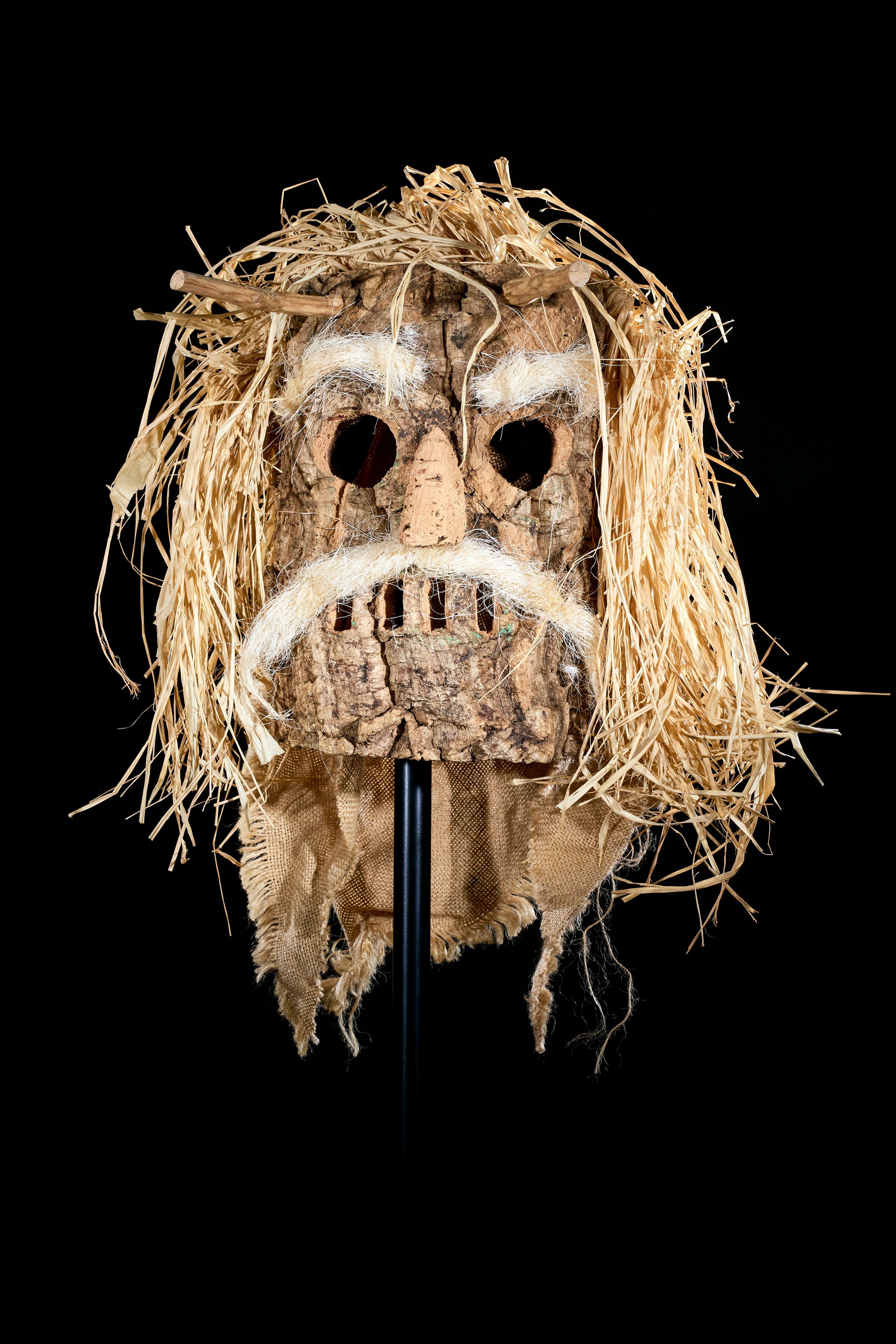
Máscara da Corrida ao Entrudo. Pedro Longuinho e Manuel Claro. Aigra Nova, Góis ©DGARTES/Vasco Célio-Stills/2024

Careto do Entrudo. Sofia Pombares e Luís Filipe Costa. Podence, Macedo de Cavaleiros ©DGARTES/Vasco Célio-Stills/2023
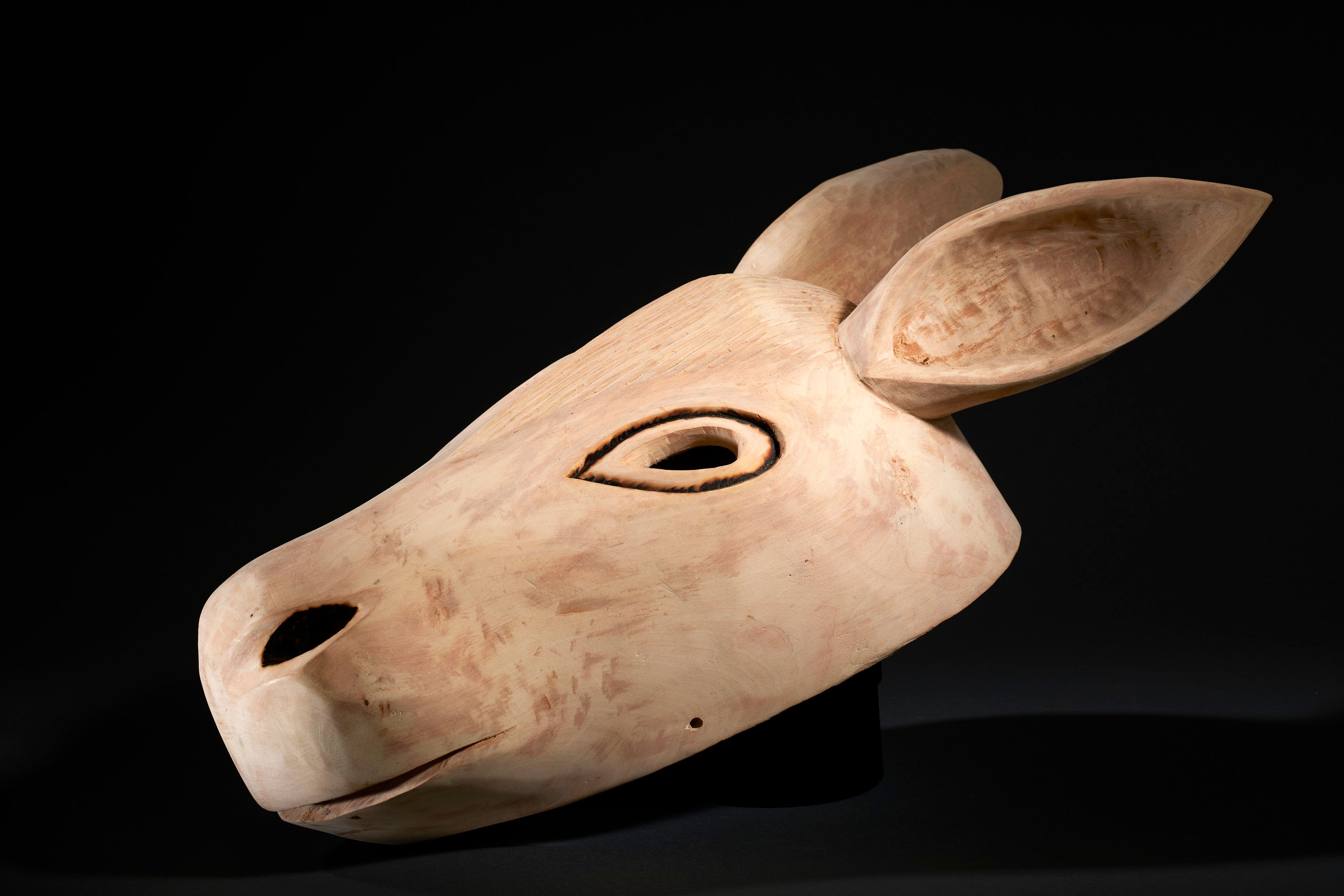
Careto do Entrudo. Adão de Castro Almeida. Lazarim, Lamego ©DGARTES/Vasco Célio-Stills/2023
Material Intelligence
The origins of craft production lie in meeting the needs of a specific rural context and in an inherent respect for nature. Reading and using the landscape, respecting seasonal cycles, and ensuring the regeneration of resources involve the skilful application of natural forms and properties in the development of solutions for daily life.
The fact that ancestral skills are still used in the production of everyday artefacts in Portugal can be explained by the presence of a strong agricultural tradition, a recent demographic transition to urban centres, and almost half a century of social isolation. This history highlights the importance of preserving knowledge that was once deeply embedded in everyday life.
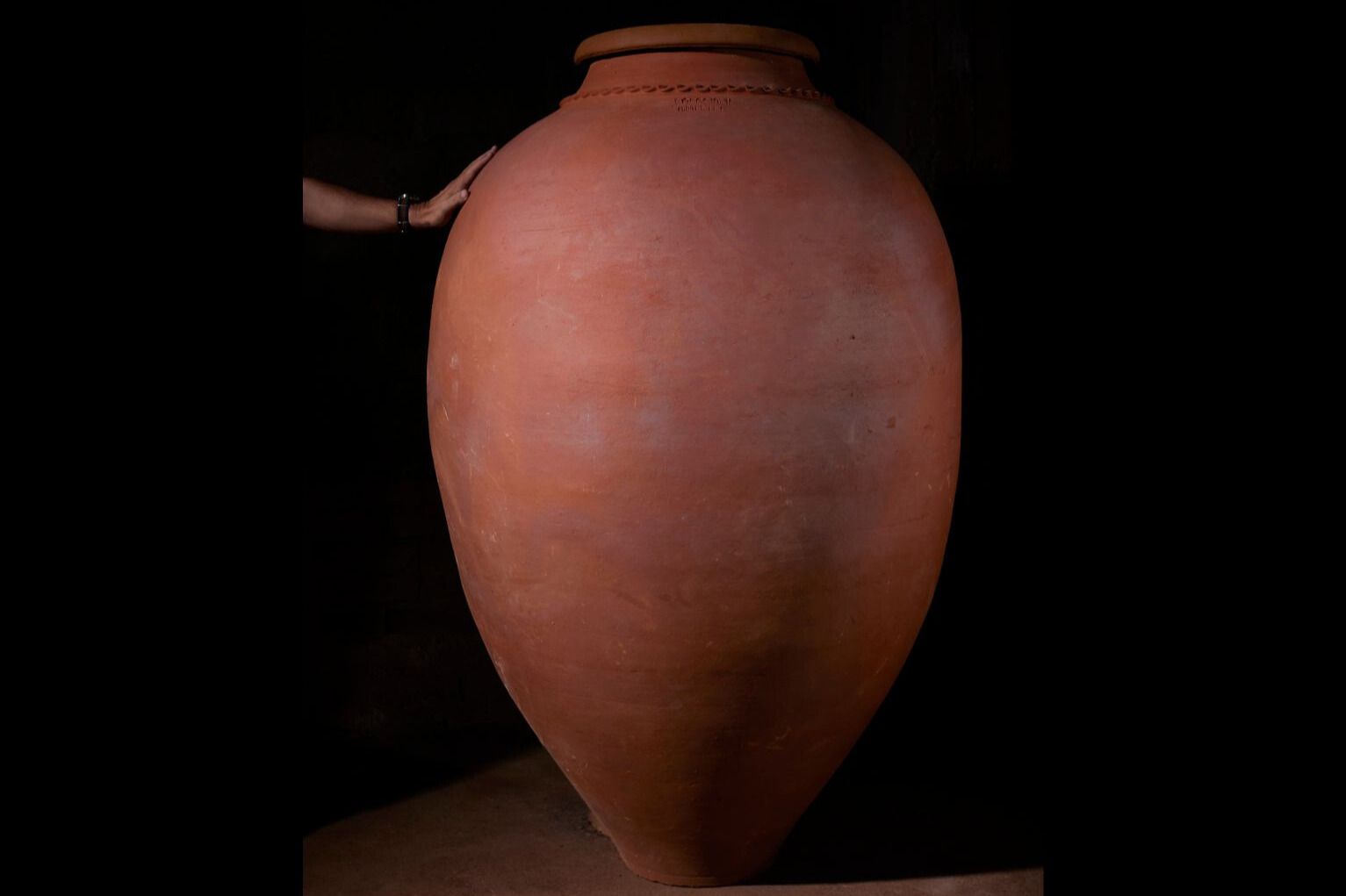
Talha. António Mestre. Beringel, Beja ©DGARTES/Vasco Célio-Stills/2023
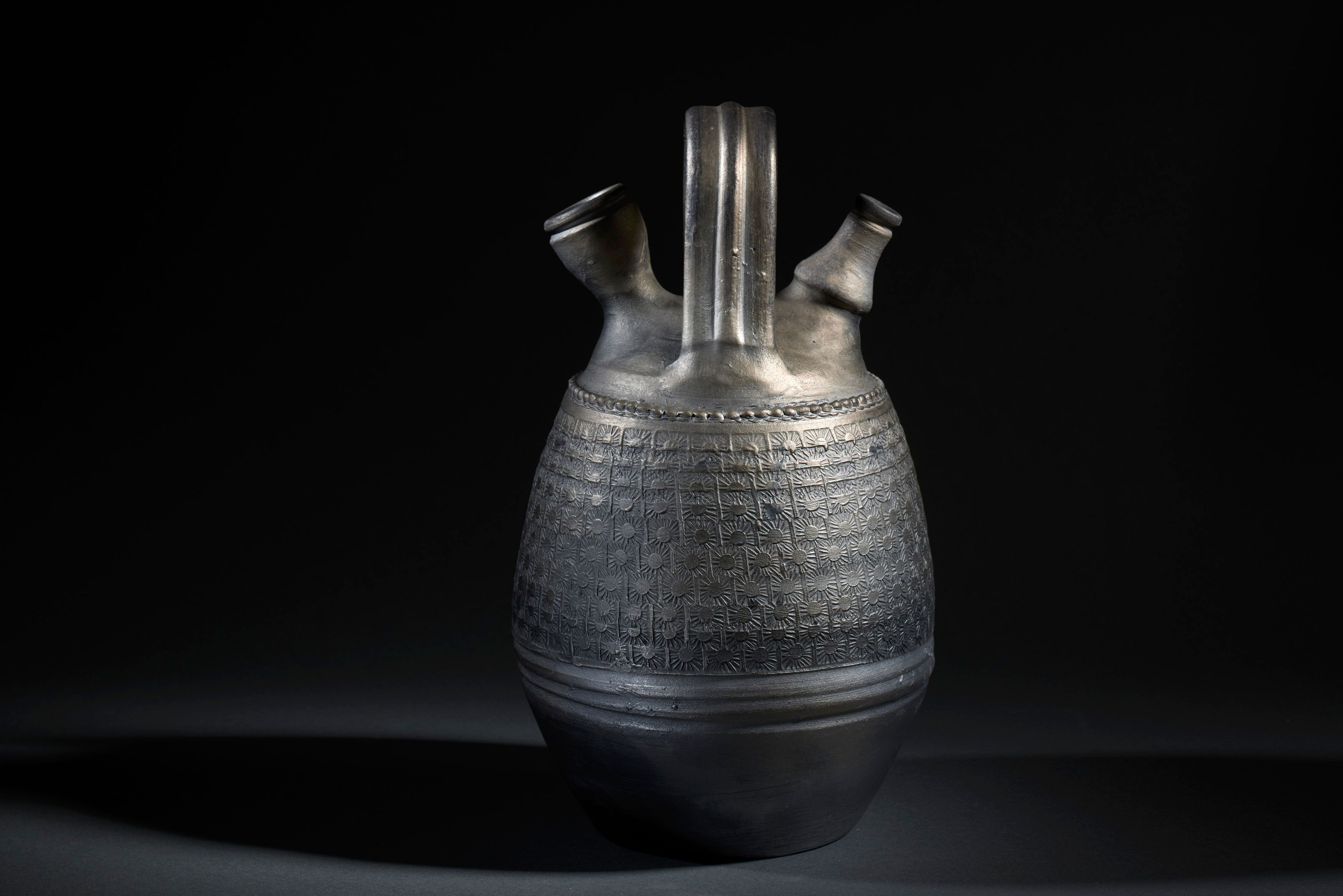
Bilha de 2 bicos. Olaria Quirino Ferreira. Carapinhal, Miranda do Corvo ©DGARTES/Vasco Célio-Stills/2023
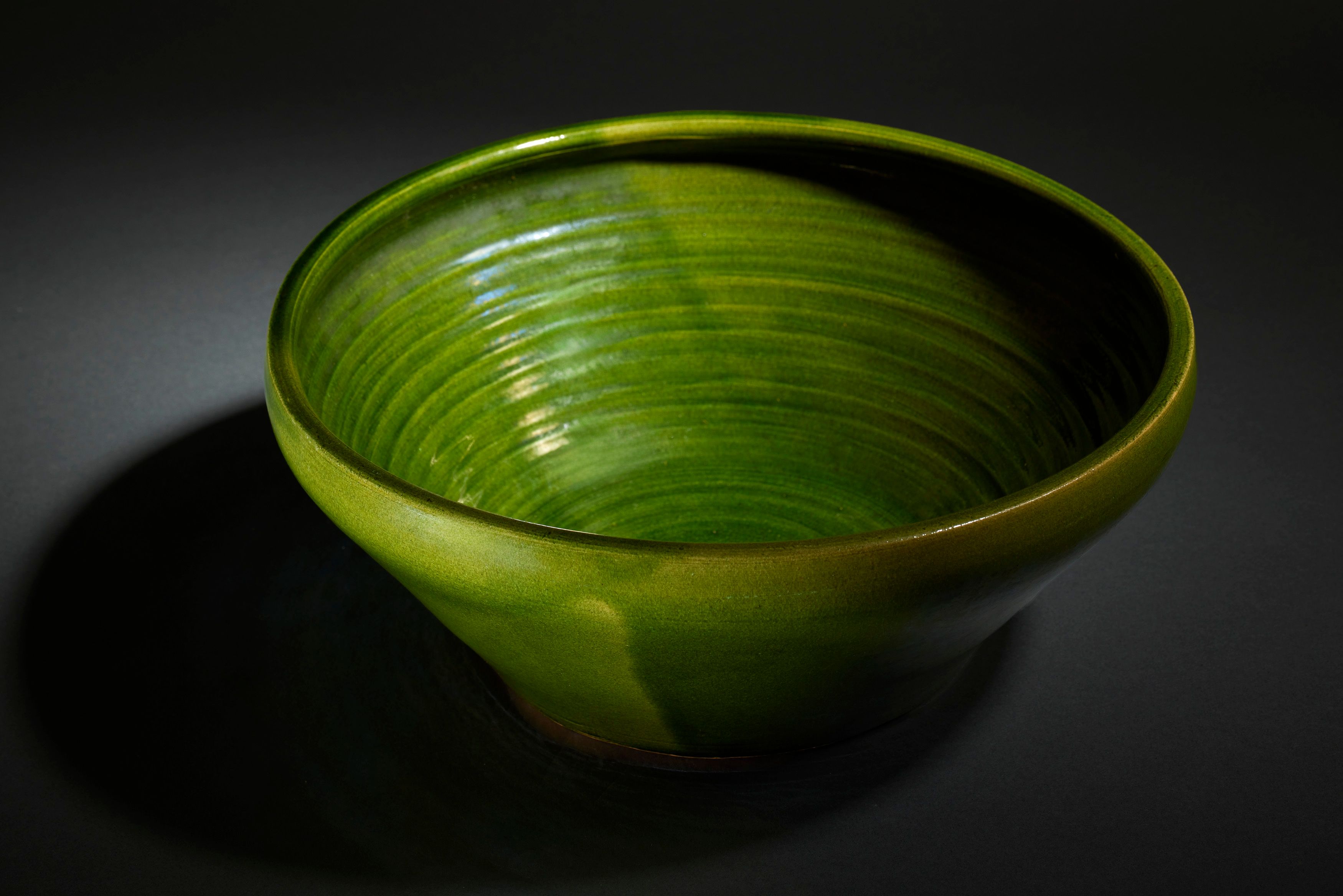
Alguidar. Olaria AGP. Bajouca, Leiria ©DGARTES/Vasco Célio-Stills/2023
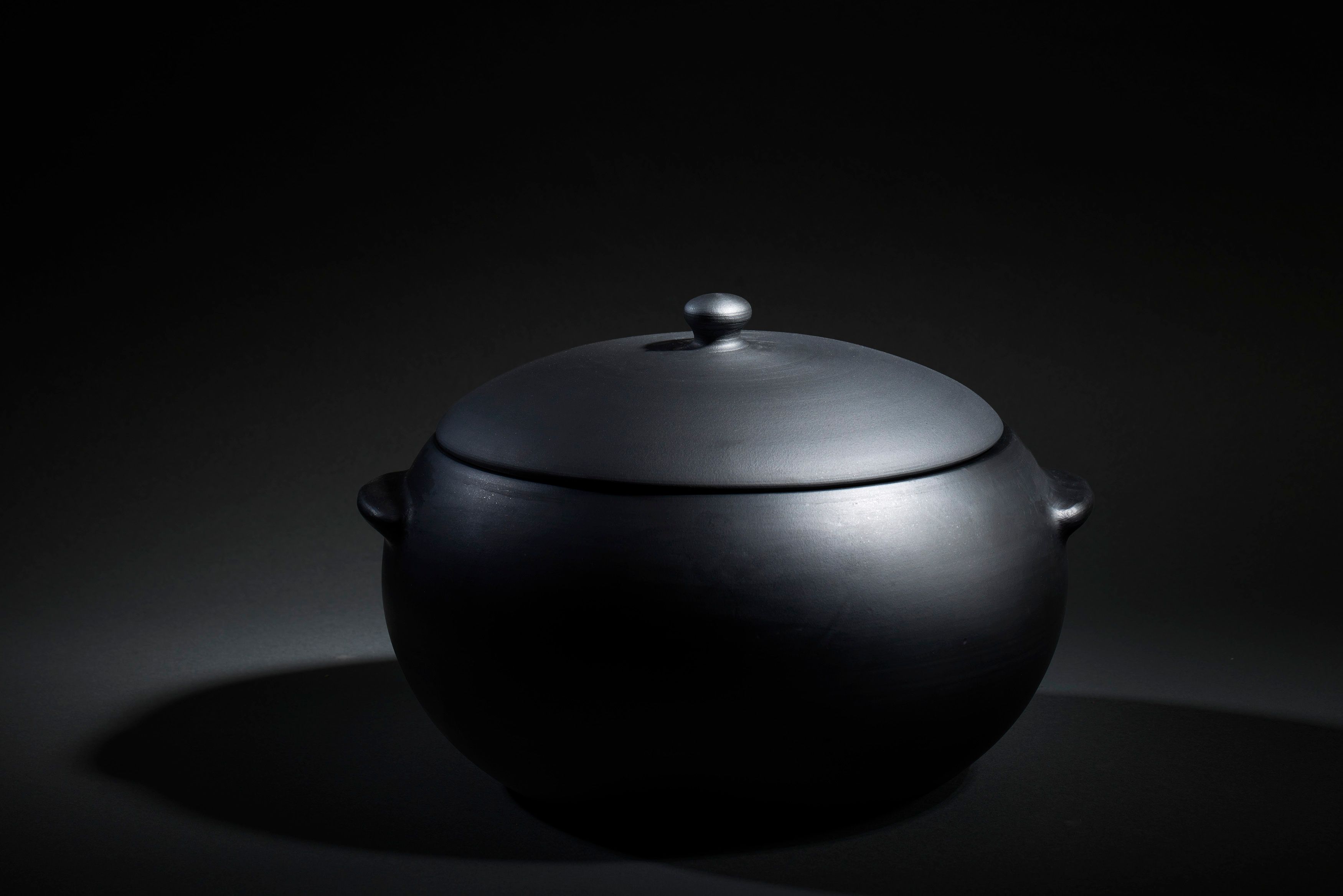
Caçoila. Olaria Artantiga. Molelos, Tondela ©DGARTES/Vasco Célio-Stills/2023
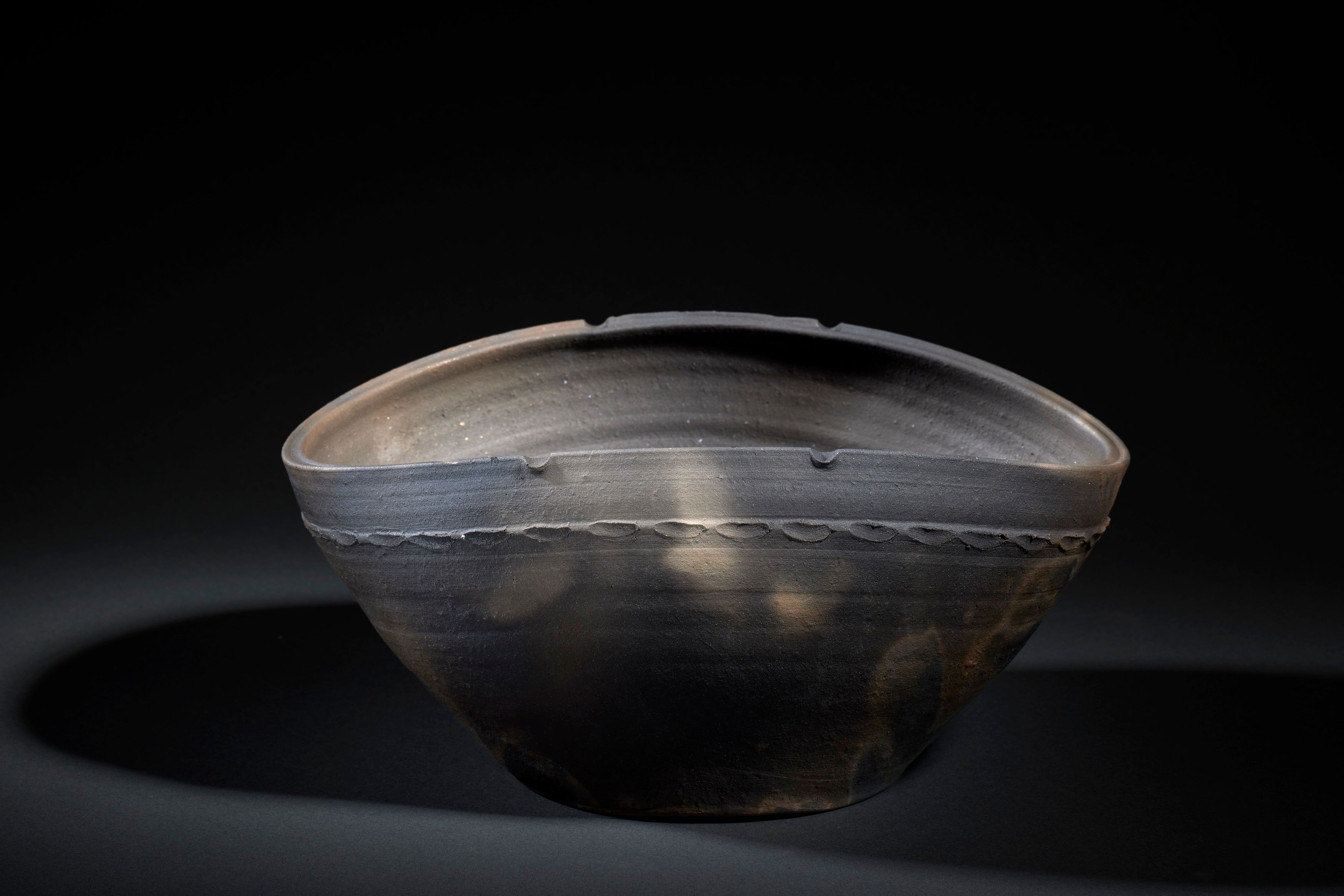
Alguidar torto. César Teixeira. Gondar, Amarante ©DGARTES/Vasco Célio-Stills/2023
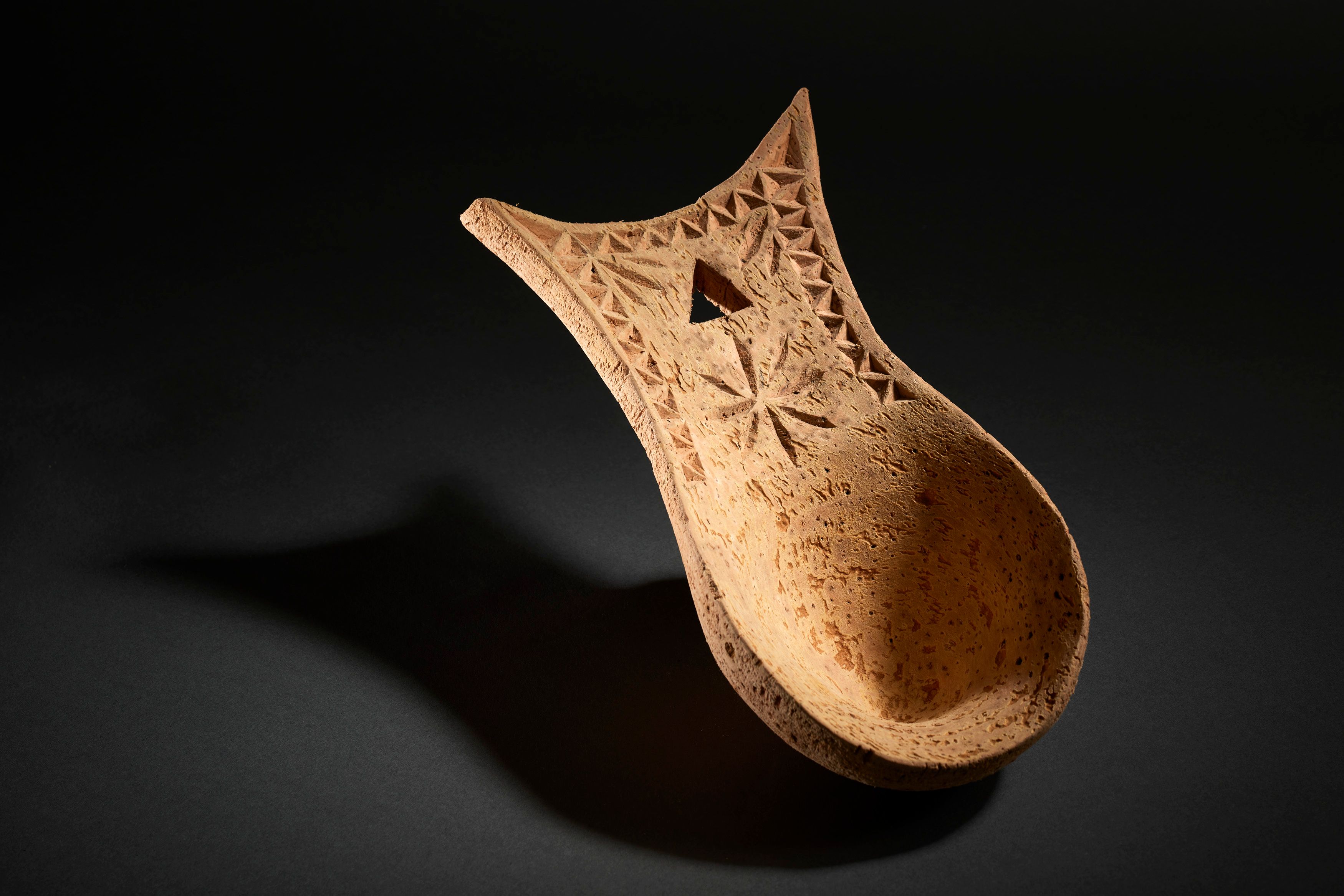
Cocharro. António Adélio Real. Portalegre ©DGARTES/Vasco Célio-Stills/2023
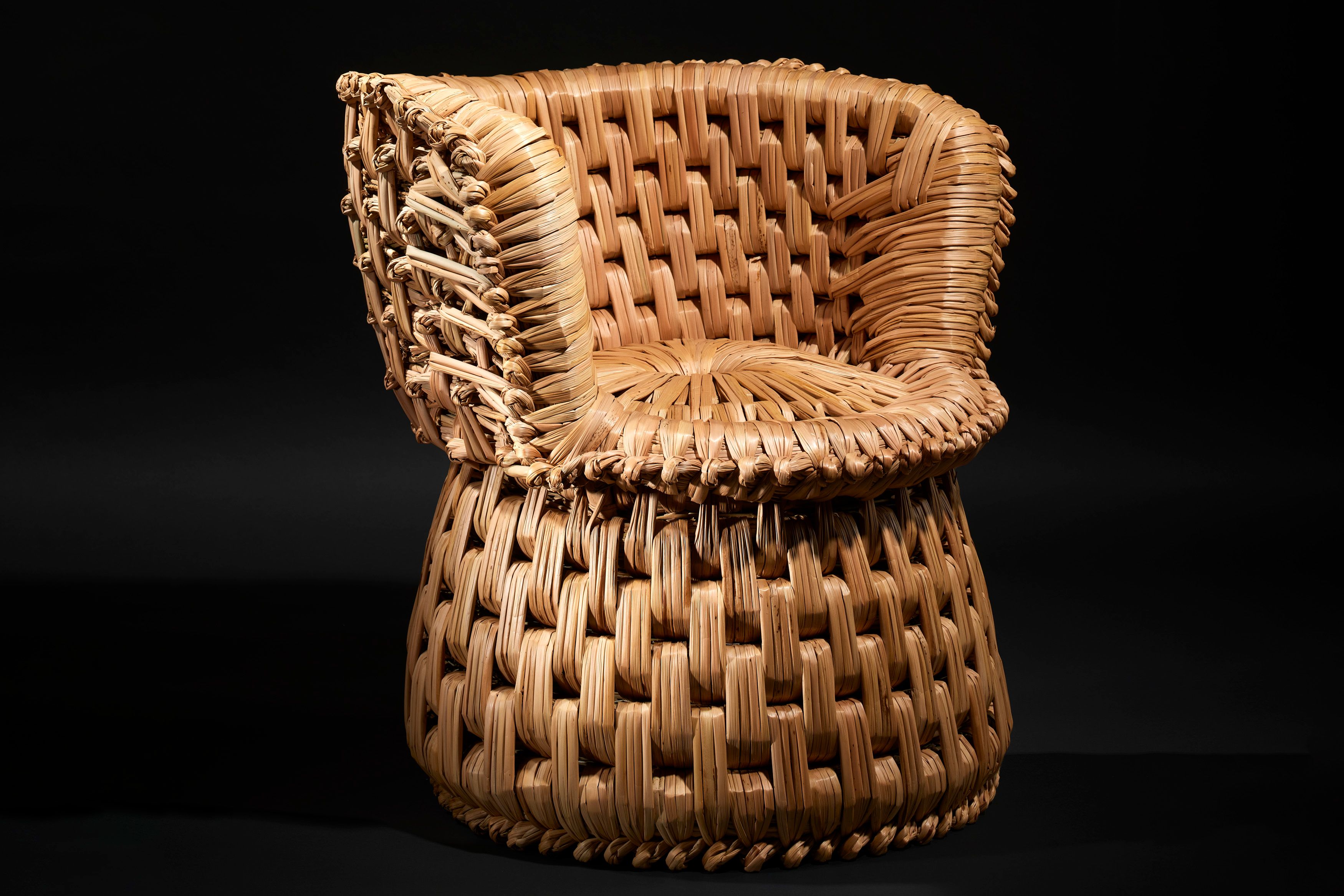
Cadeira. Manuel Ferreira. Santarém ©DGARTES/Vasco Célio-Stills/2023
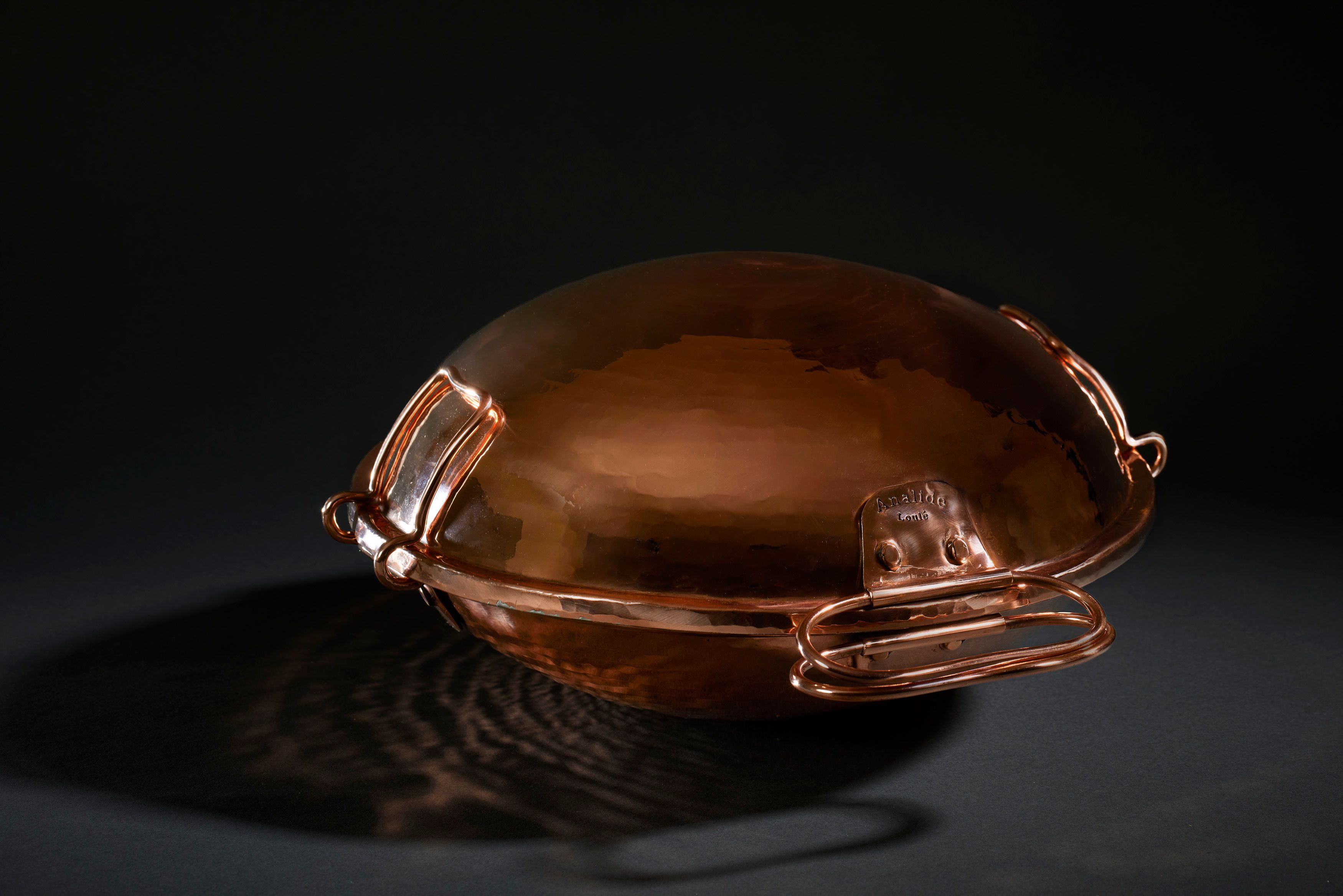
Cataplana. Analide do Carmo. Loulé ©DGARTES/Vasco Célio-Stills/2023
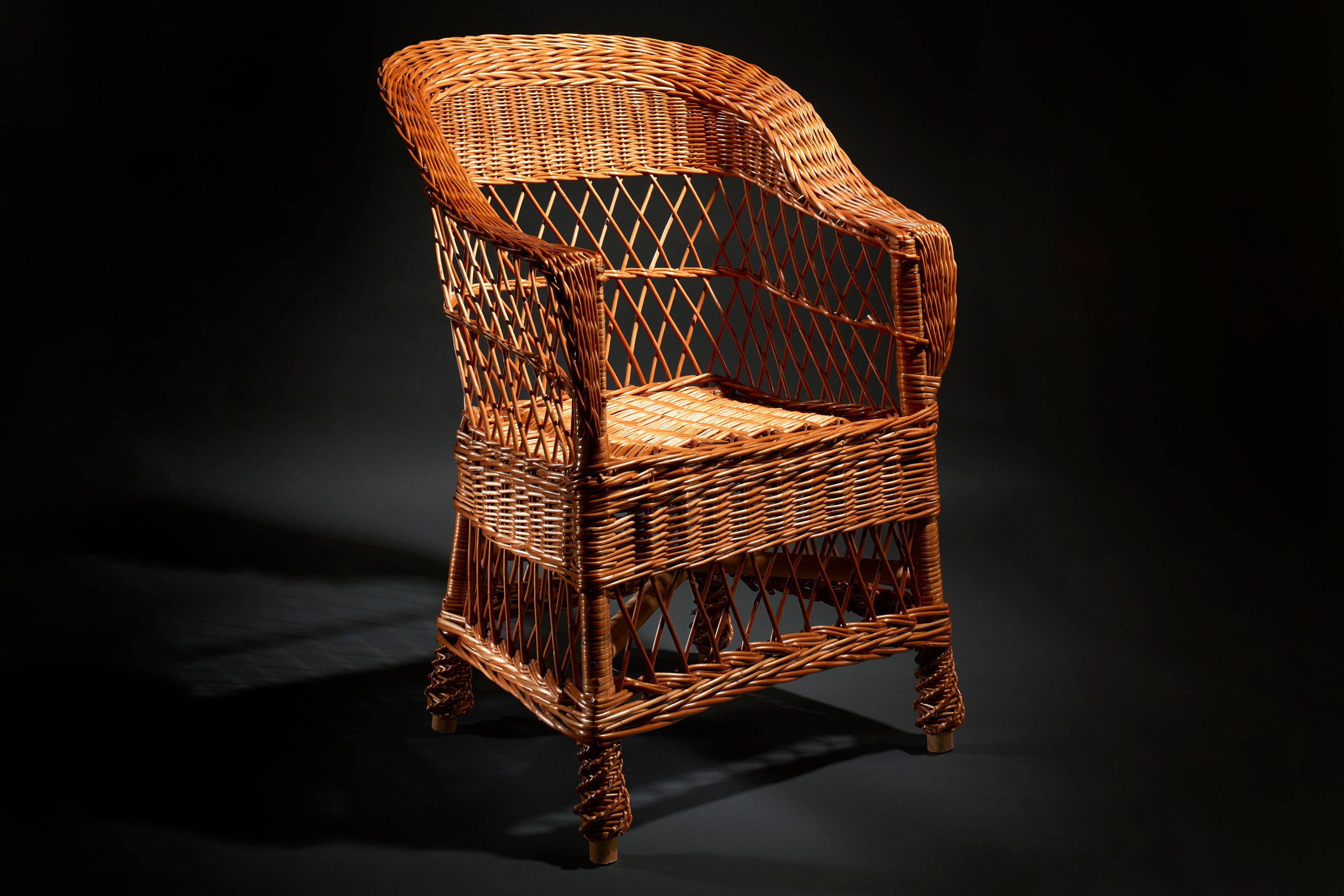
Cadeira de aba. Fernando Nelas. Gonçalo, Guarda ©DGARTES/Vasco Célio-Stills/2023
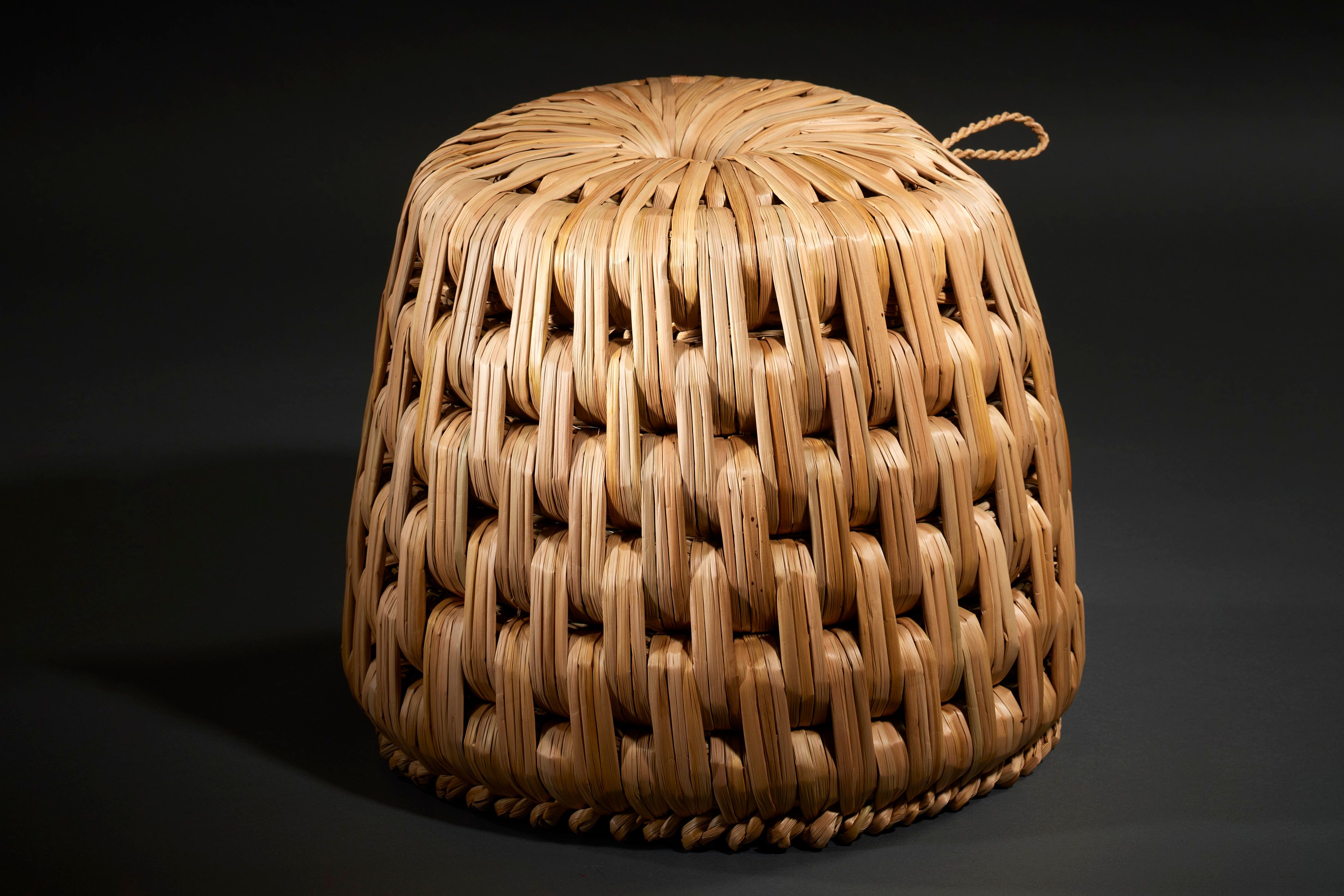
Tanho. Artur Fonseca. Secorio, Santarém ©DGARTES/Vasco Célio-Stills/2023
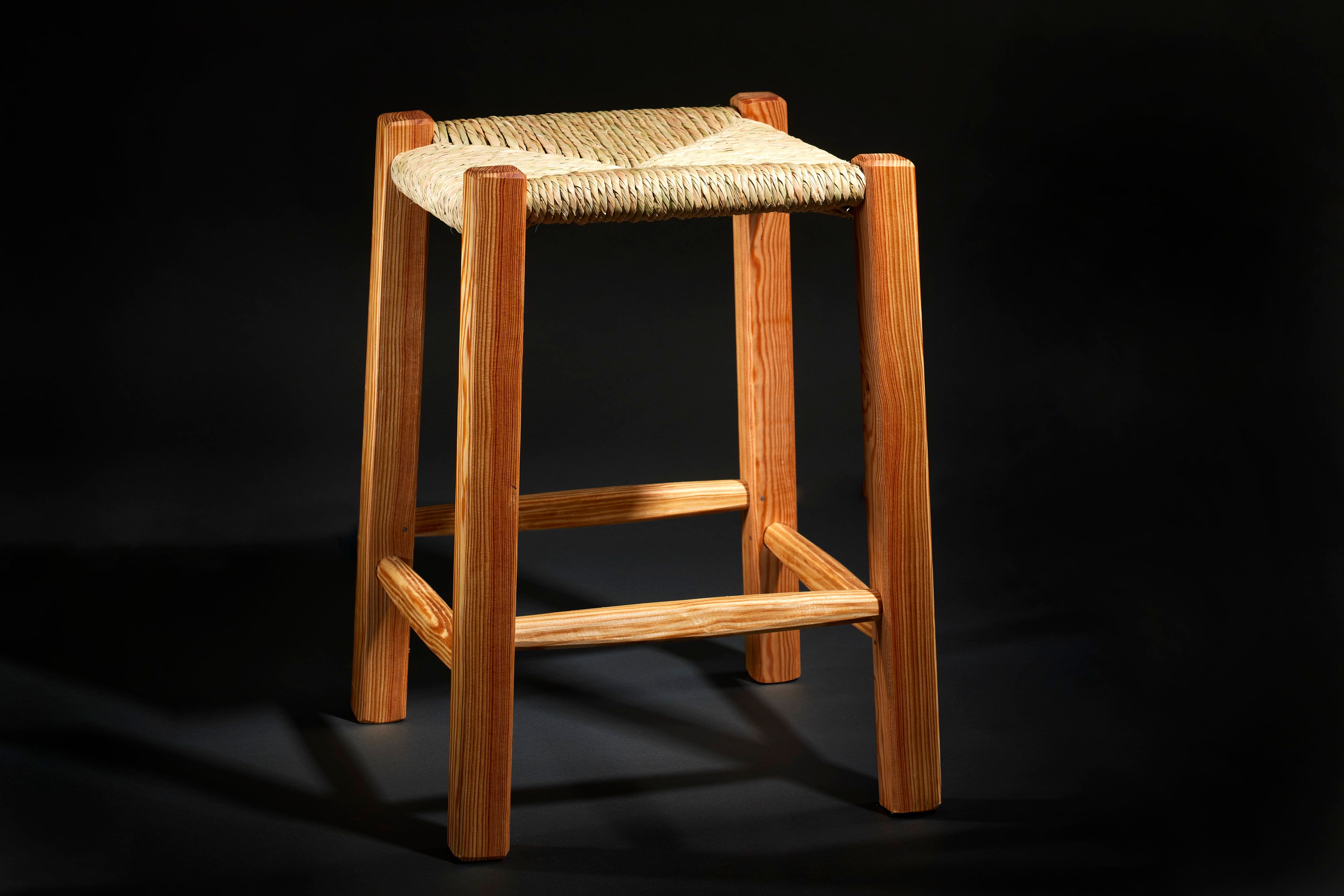
Banco com empalhamento. Manuel Pica. Baleizão. Beja ©DGARTES/Vasco Célio-Stills/2023
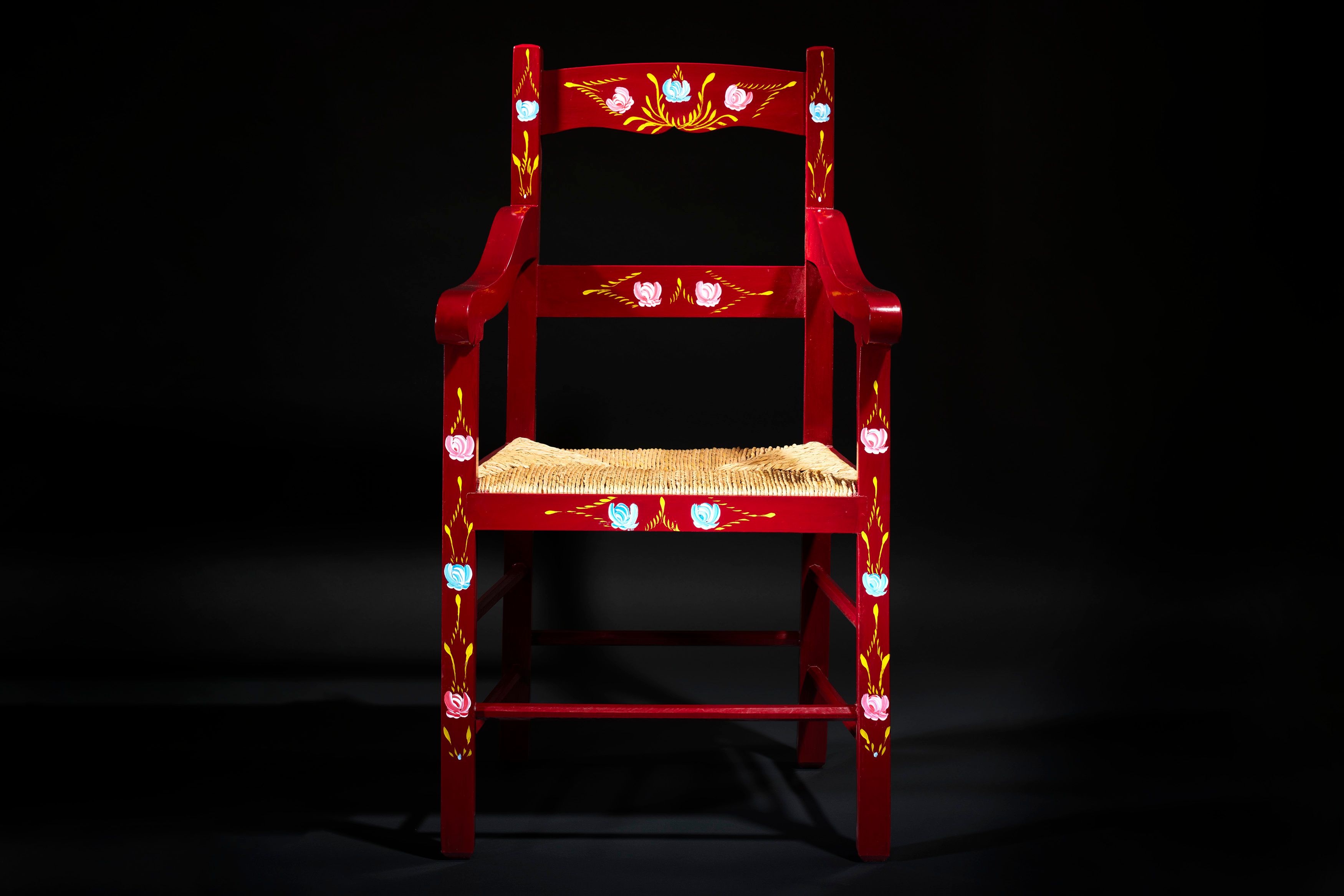
Cadeirão alentejano. Joaquim Boavida. Redondo ©DGARTES/Vasco Célio-Stills/2023
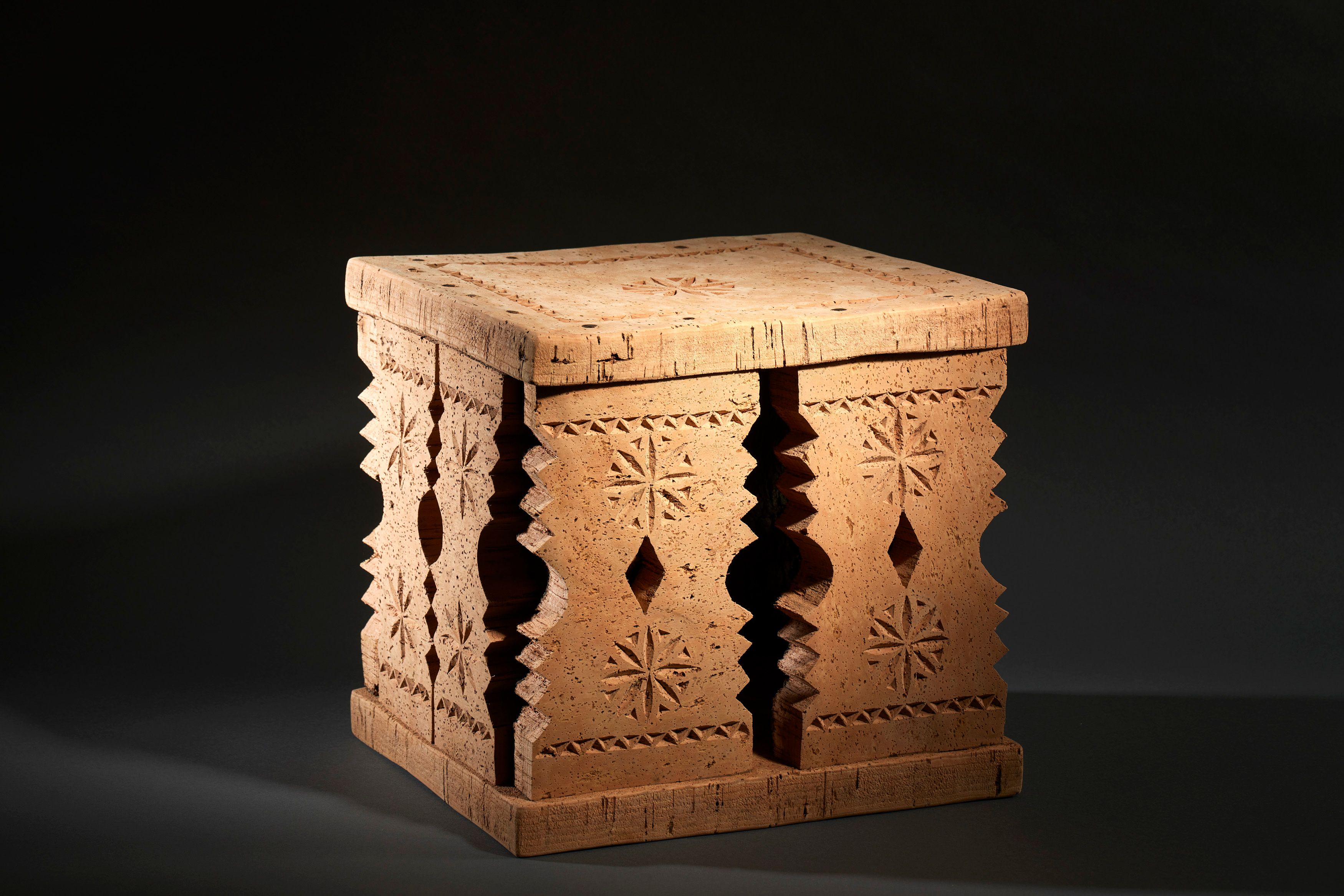
Tropeço. António Adélio Real. Portalegre ©DGARTES/Vasco Célio-Stills/2023
Technical Meticulousness
Rural poverty has led to a prejudiced association between craft production and imperfect rustic objects. Nevertheless, virtuosity exists in craft production and is revealed in the ingenuity and mastery with which complex forms are created using simple tools that are now broadly classified as ‘low-tech’. Traditional arts are more than the creation of effective products for a practical function. They combine aesthetic sensibility with a refined mastery of technique, manual skill and knowledge of the behaviour of materials, acquired through long periods of continuous practice and experimentation. The delicacy of these forms highlights the sophistication that emerges from technical detail.
Estes e outros artefactos pretendem destacar a sofisticação que sobressai da minúcia técnica. A delicadeza das formas apuradas não é conseguida apenas através de máquinas e ferramentas de precisão. Aliás, não há maquinaria que consiga executar algumas destas técnicas.
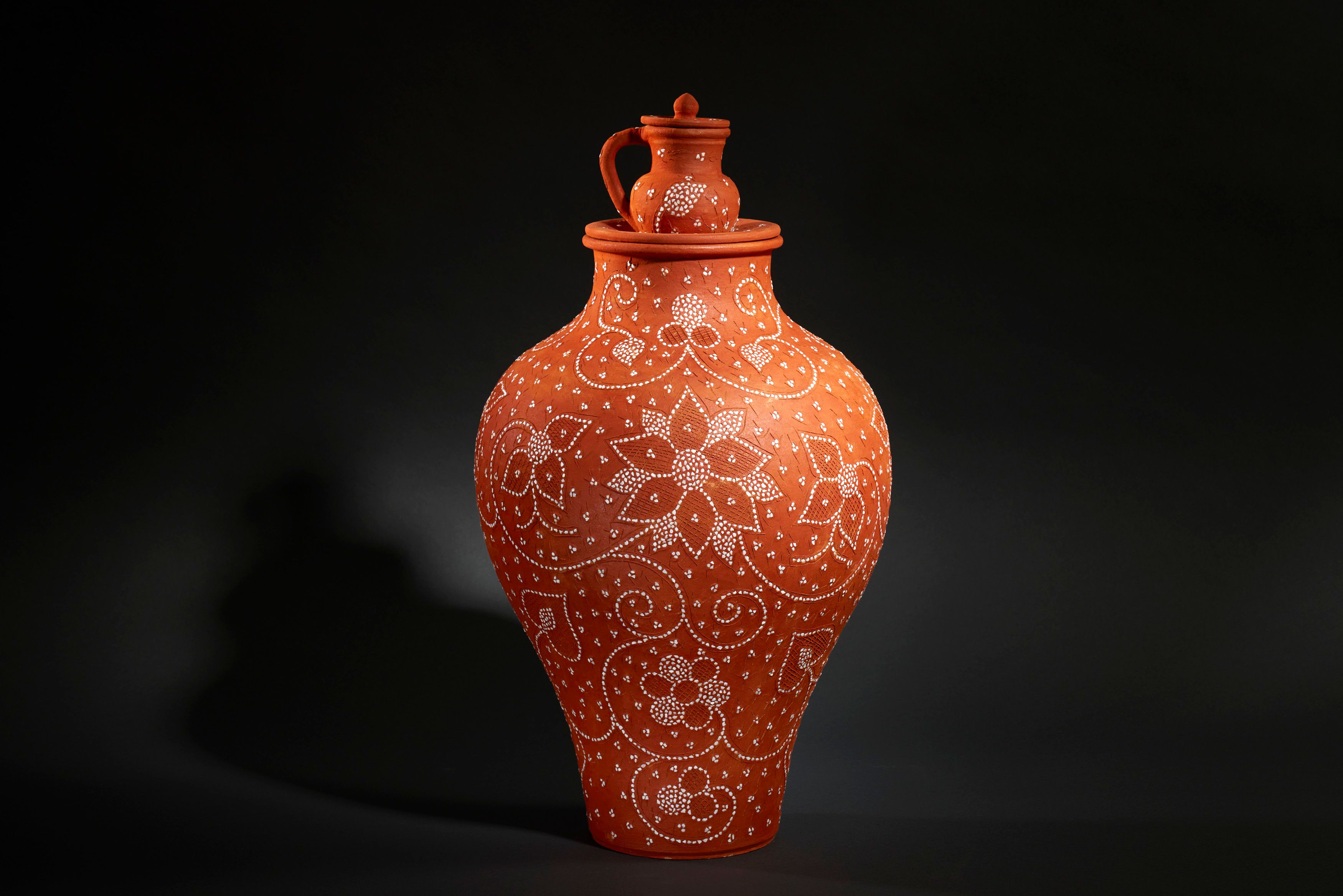
Cântaro ou Pote. António Louro, Graça Piedade. Nisa ©DGARTES/Vasco Célio-Stills/2023
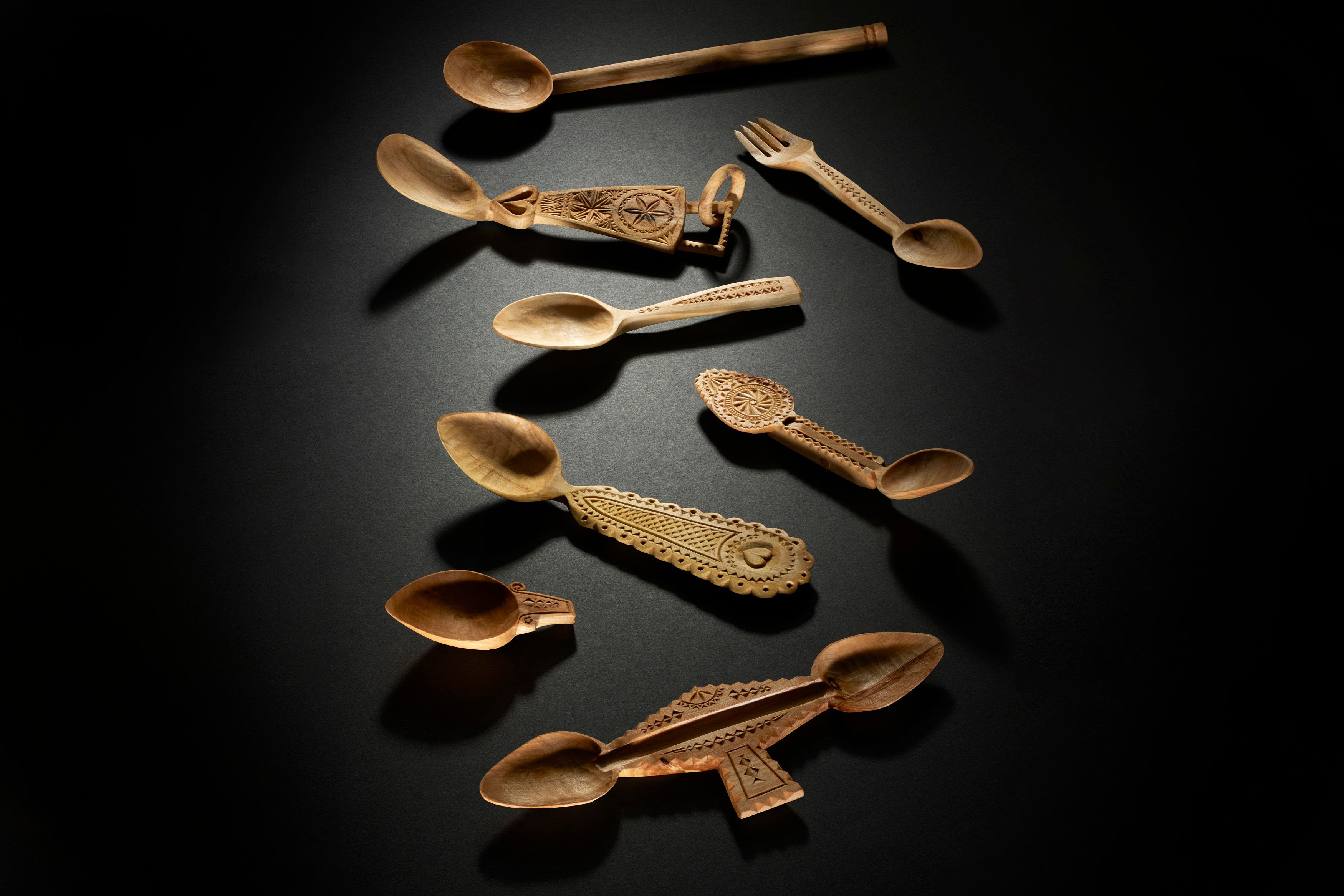
Colheres bordadas. André Panoias (Mal Barbado). Évora ©DGARTES/Vasco Célio-Stills/2023
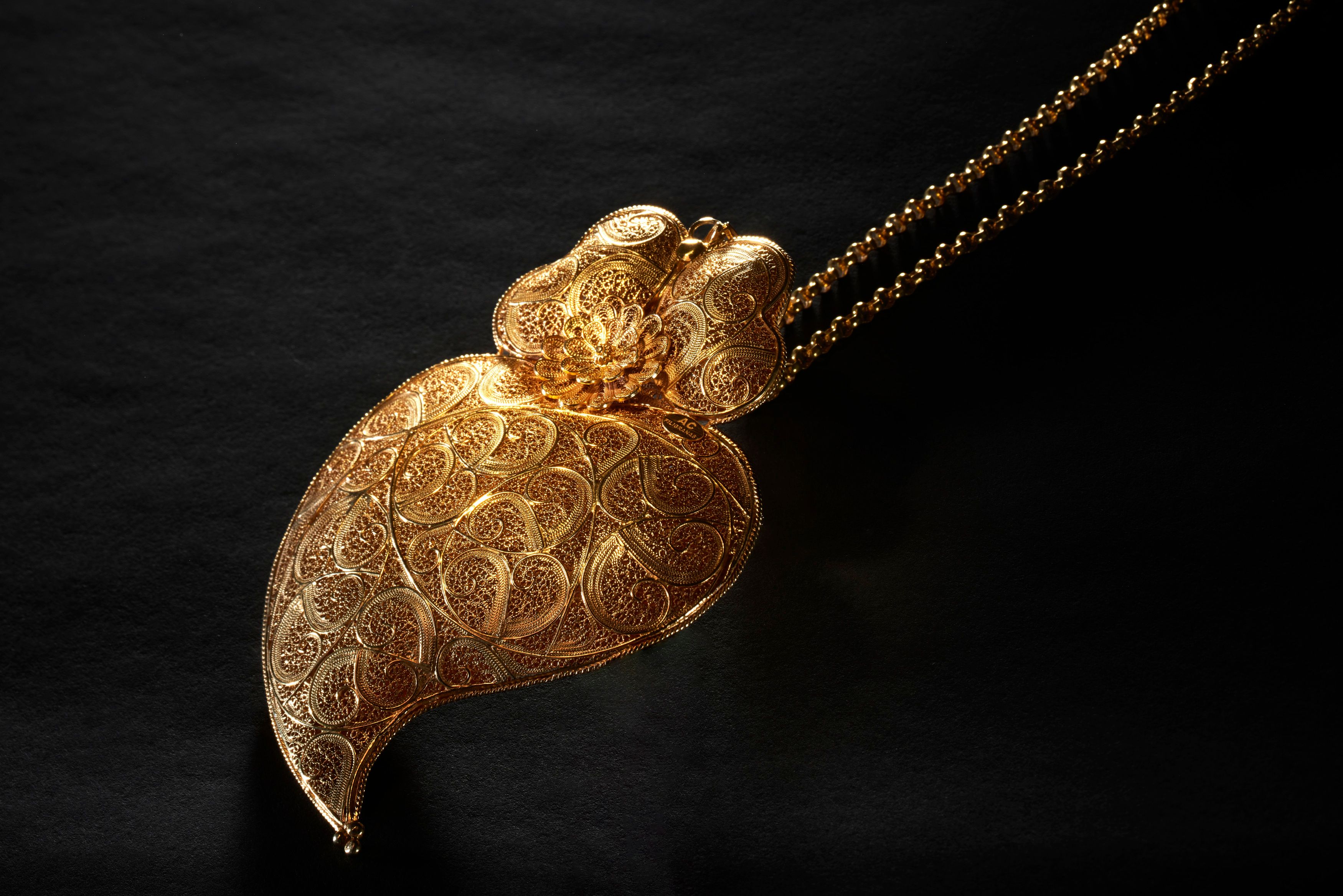
Coração de Viana. AC Filigranas. Gondomar ©DGARTES/Vasco Célio-Stills/2023
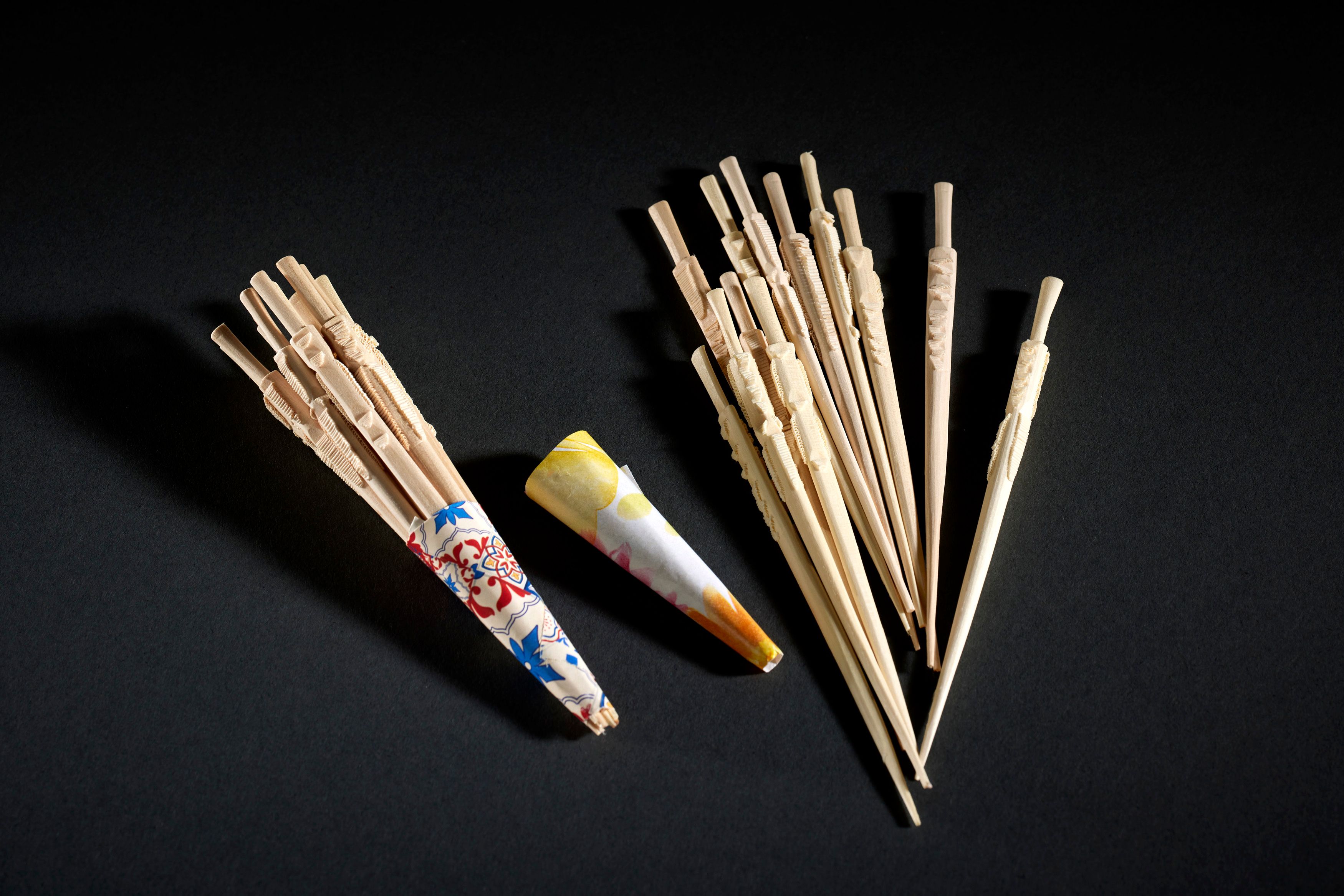
Palitos decorados. Fátima Lopes. Lorvão, Penacova ©DGARTES/Vasco Célio-Stills/2023
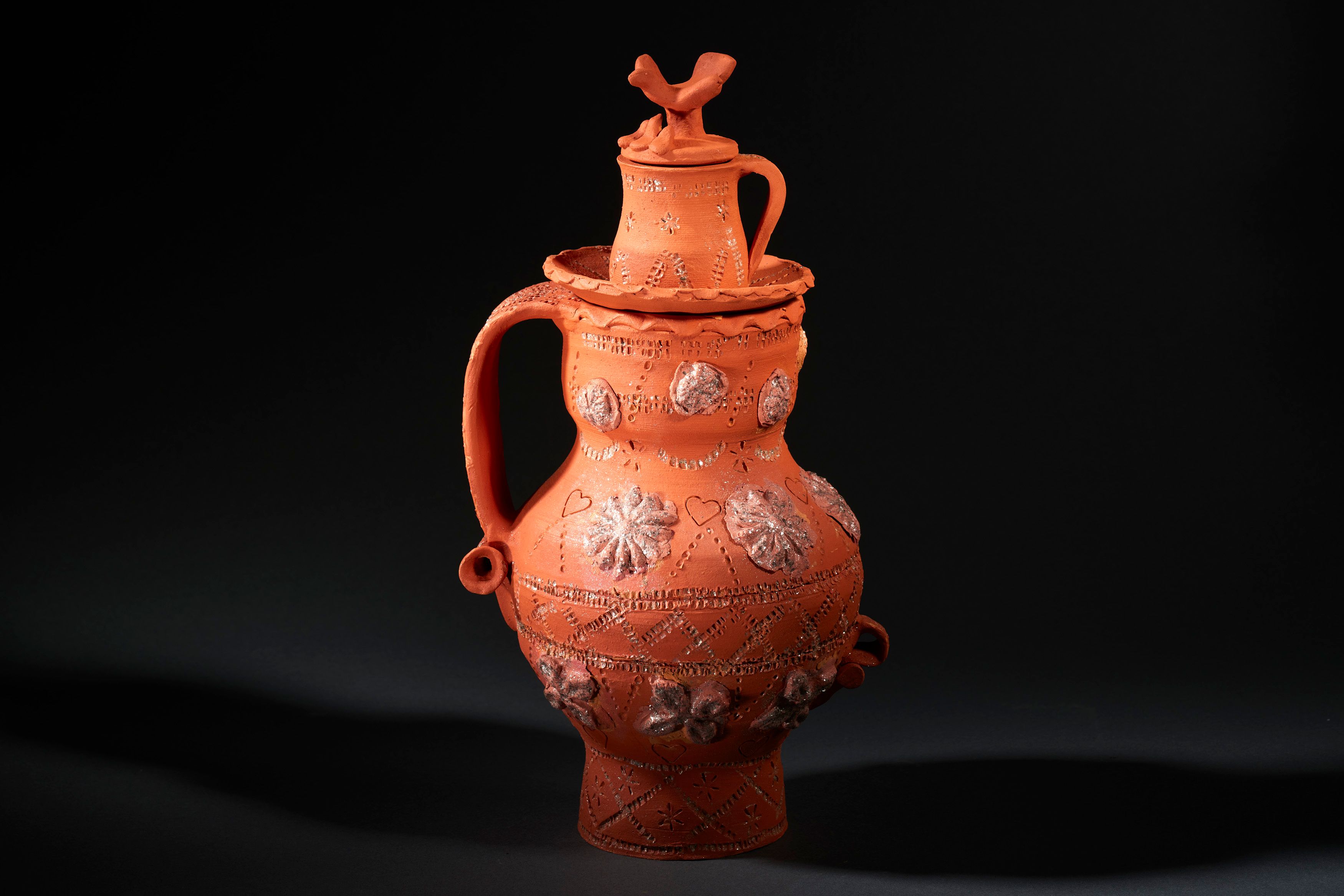
Cantarinha das prendas ou dos namorados. Maria Fernanda Braga. Guimarães ©DGARTES/Vasco Célio-Stills/2023
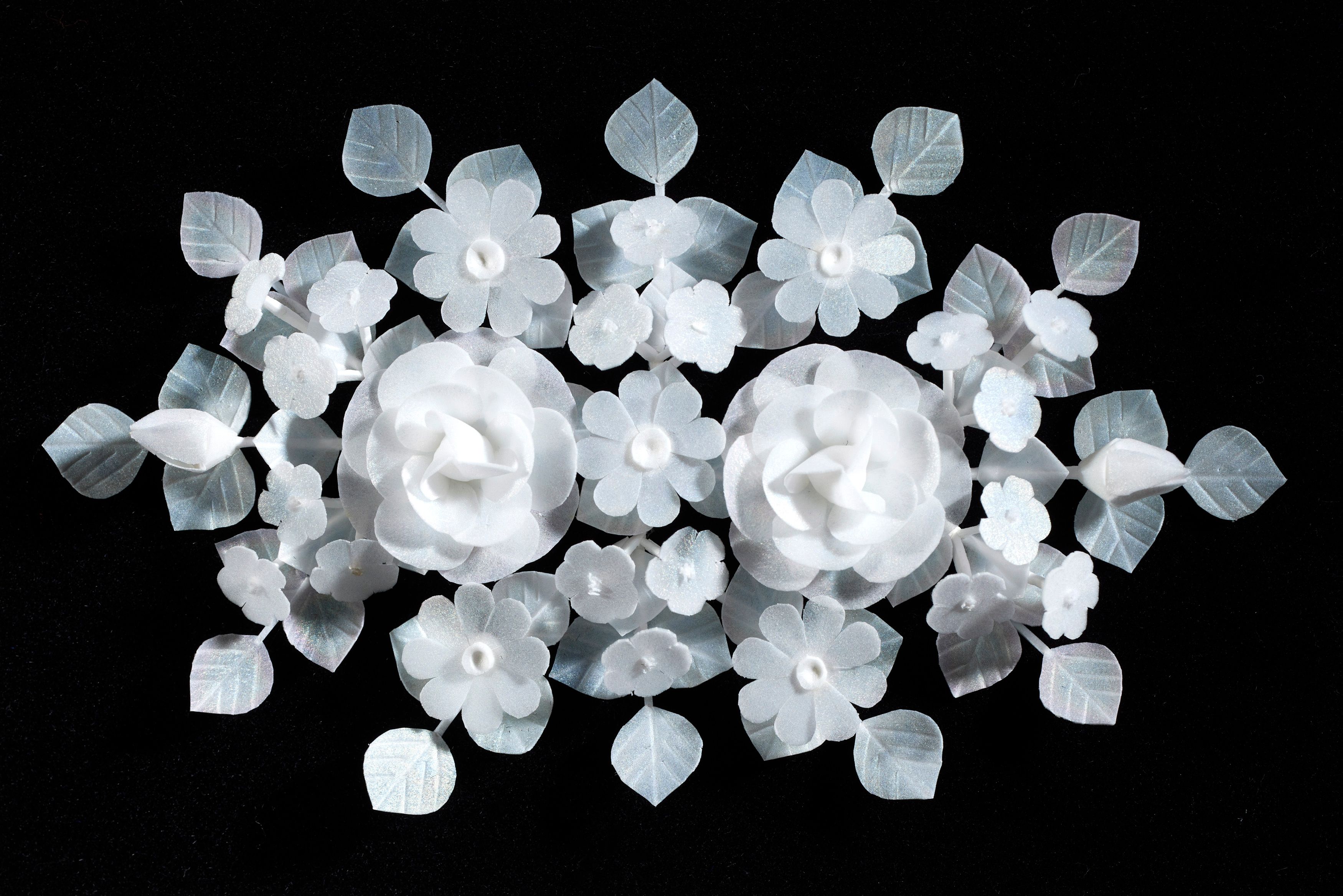
Escultura em miolo de figueira. Maria de Fátima Costa. Faial, Açores ©DGARTES/Vasco Célio-Stills/2023
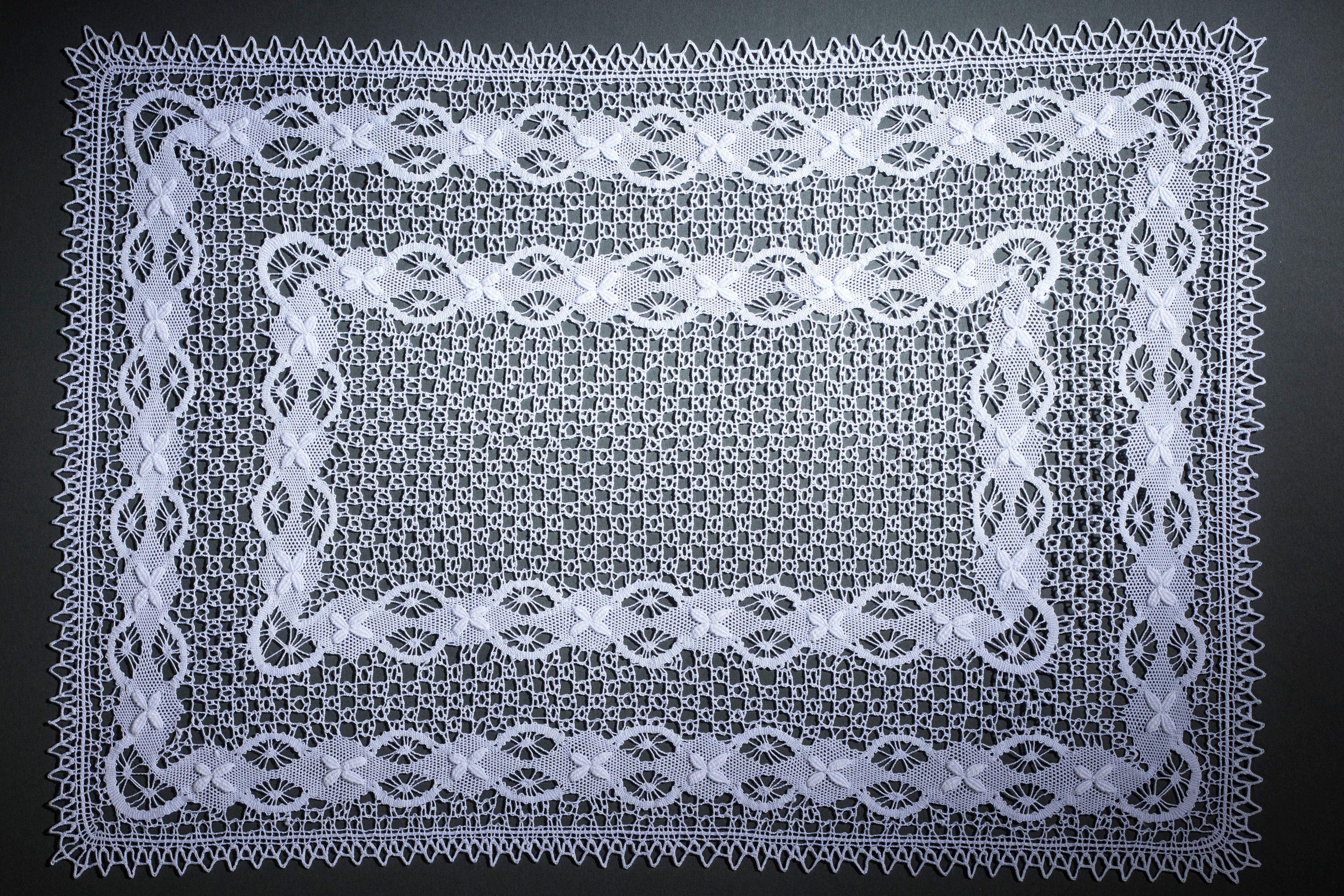
Pano das Cartolas. Maria José Rocha (ADAPVC). Vila do Conde ©DGARTES/Vasco Célio-Stills/2023
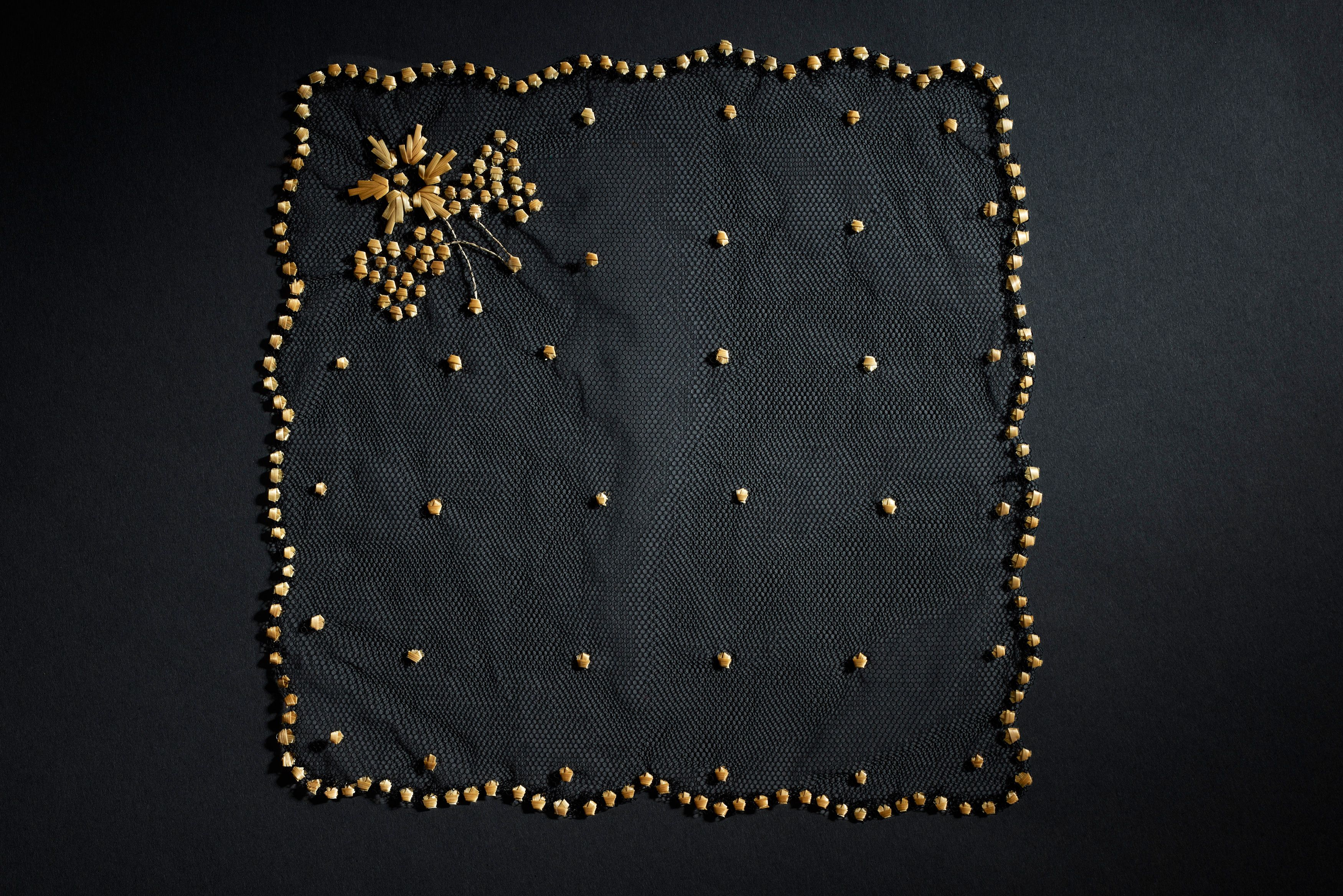
Lenço bordado a palha de trigo. Lina Silva. Faial, Açores ©DGARTES/Vasco Célio-Stills/2023
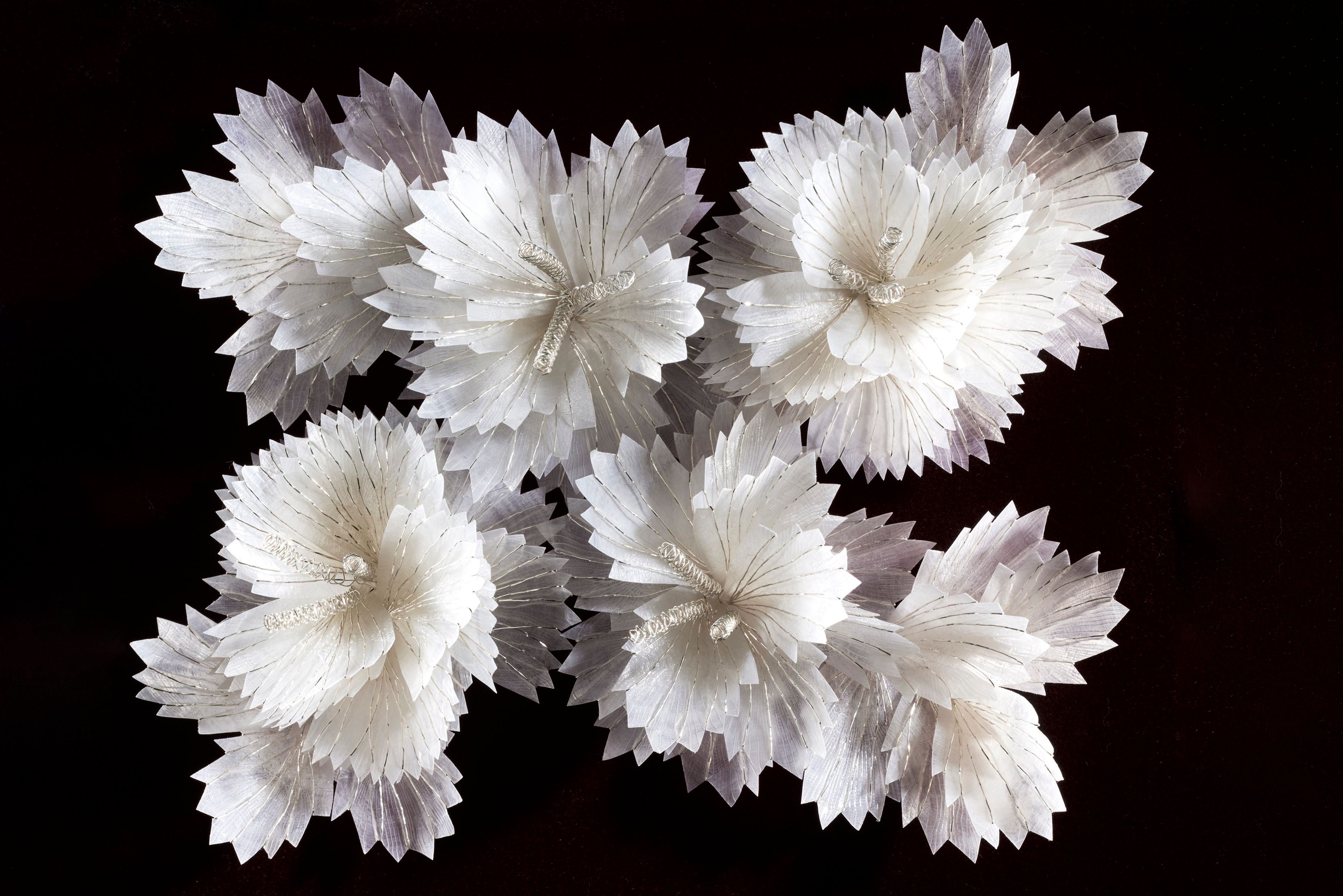
Composição com escamas de peixe. Berta Paiva. Capelas, S. Miguel, Açores ©DGARTES/Vasco Célio-Stills/2023
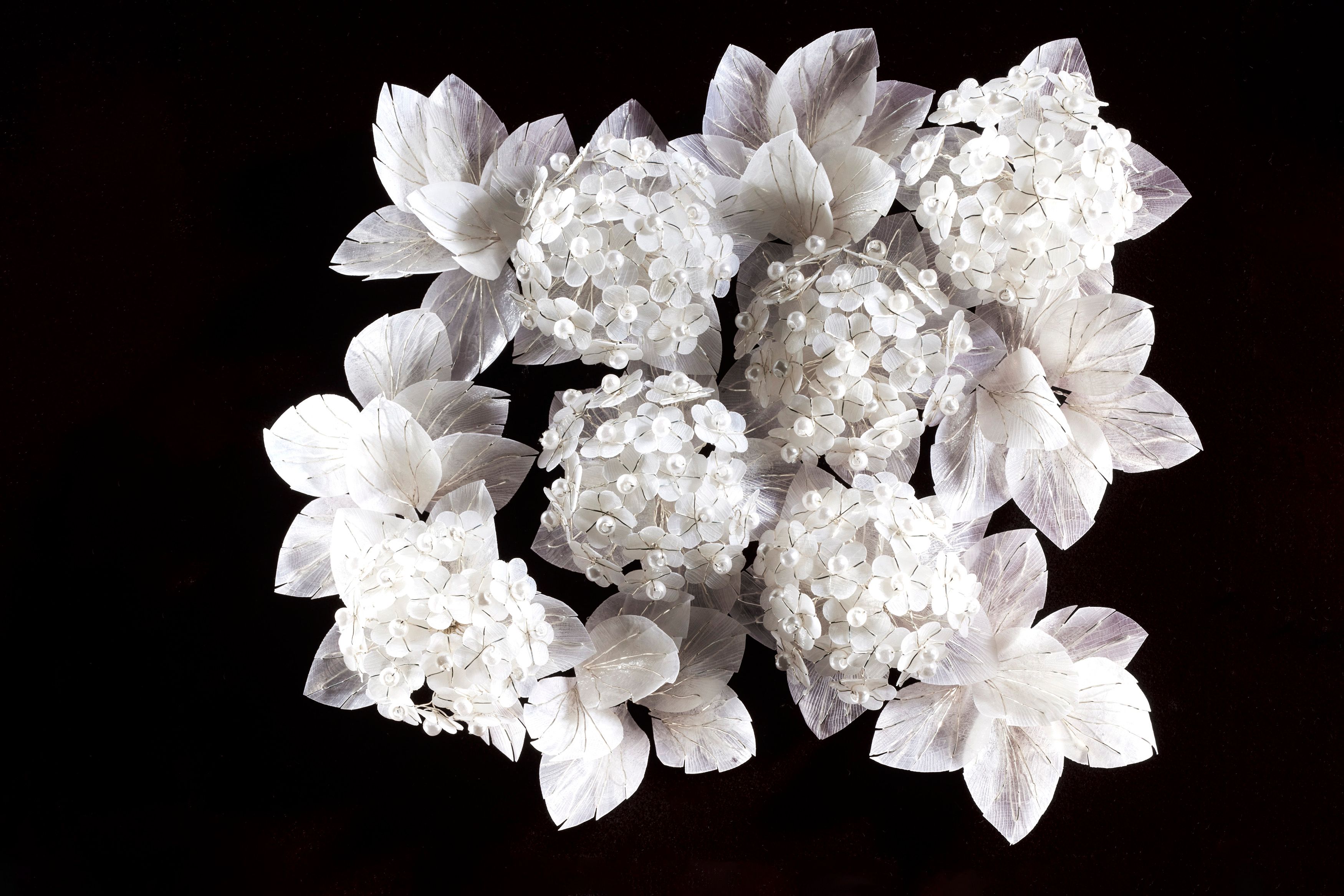
Composição com escamas de peixe. Berta Paiva. Capelas, S. Miguel, Açores ©DGARTES/Vasco Célio-Stills/2023
Shelter
The idea of comfort associated with what shelters us is illustrated here by products that cover our bodies and the domestic environment; shelter is represented in a figurative sense, linked to a community’s sense of belonging, its long history and connection to a territory. The utility these objects continue to have goes beyond their functionality, as their distinguishing feature lies in the way they connect us to cultural heritage and collective histories.
Dos teares, que noutros tempos constituíam um equipamento comum em muitas casas, saem também capas, saias e aventais, de técnicas diversificadas dentro do que a tecelagem permite, com mais ou menos introdução de cor, tendo a lã como material em comum.
Apenas com o uso das mãos são produzidas uma diversidade de formas e executadas técnicas muito diversas, como a croça, uma engenhosa capa feita de torcidos, cordões e sobreposições de junco. A versatilidade da lã, é usada na ilha da Madeira, para a confeção do barrete de vilão ou de orelhas, elemento de traje icónico desta região do país, de onde também provém o chapéu de palmito, palma autóctone, feito hoje por um número muito residual de artesãs. Dos Açores, destacamos o chapéu de folha de dragoeiro, cuidado e habilmente entrançado e cosido pelas artesãs da ilha do Pico.
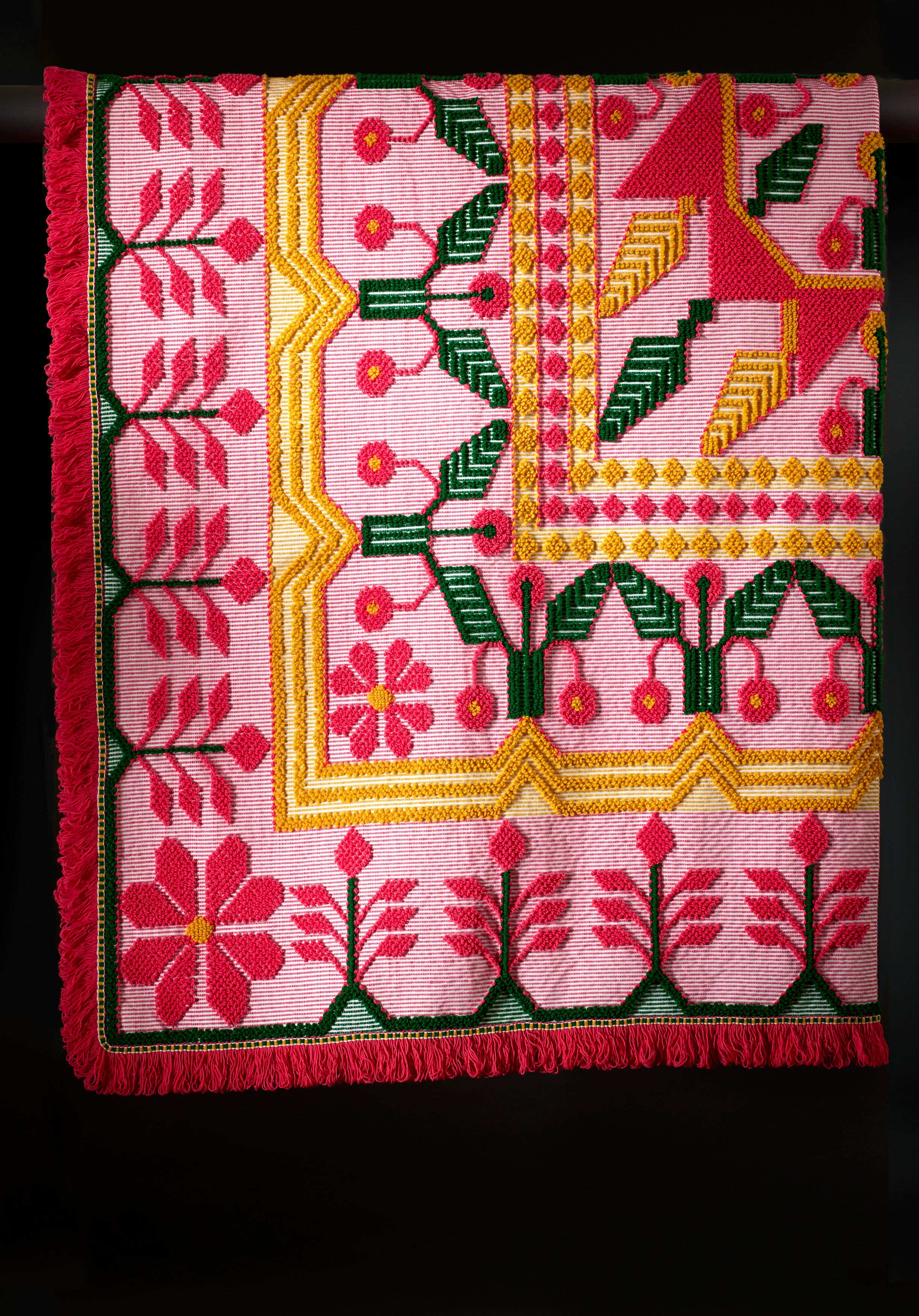
Colcha das Palmas. Maria Alzira Nunes e Maria Carminda Nunes. Fajã dos Vimes, S. Jorge, Açores ©DGARTES/Vasco Célio-Stills/2023
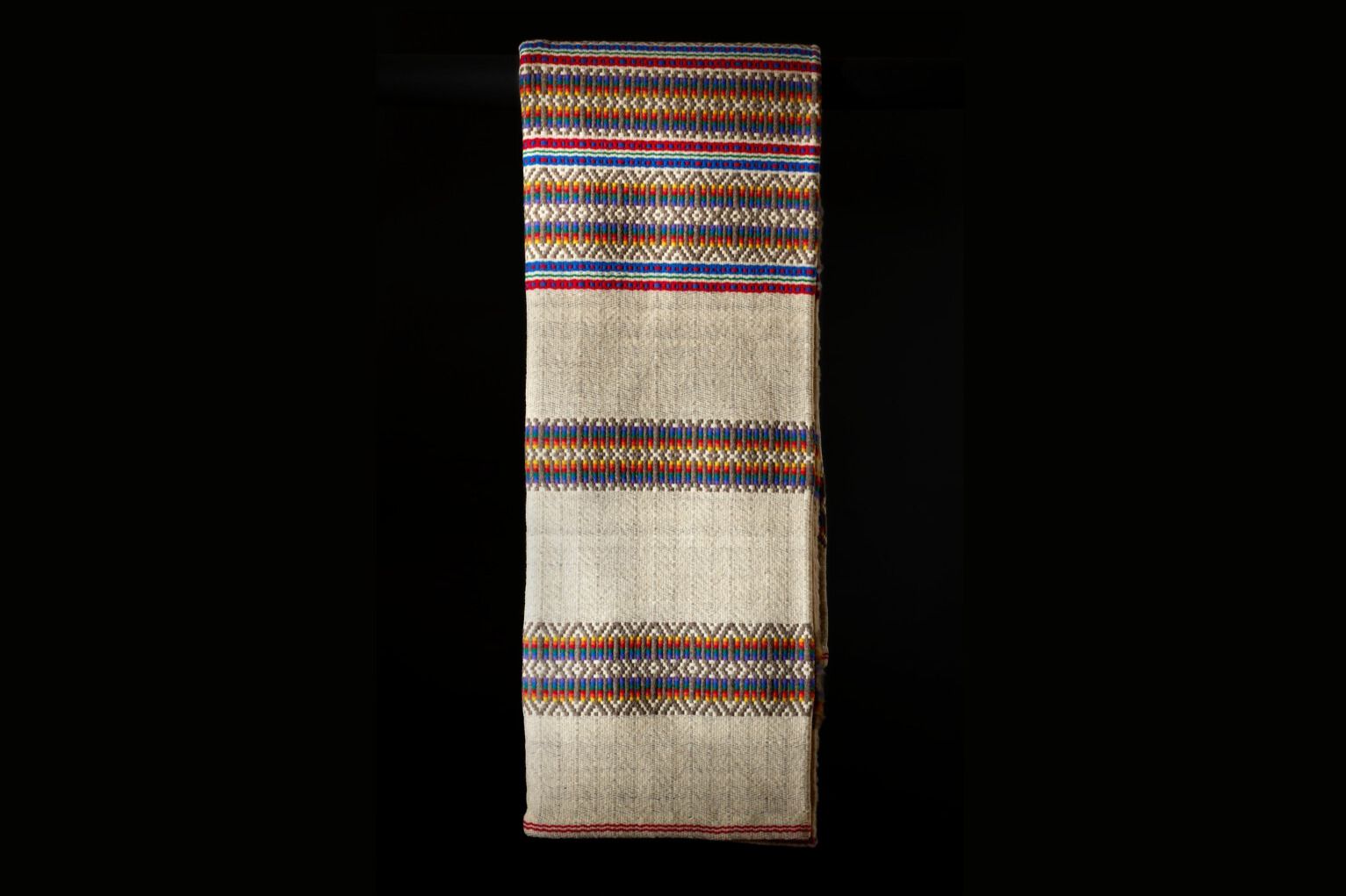
Manta “Alvorada”. Sofia Brito (Fabricaal). Reguengos de Monsaraz ©DGARTES/Vasco Célio-Stills/2023
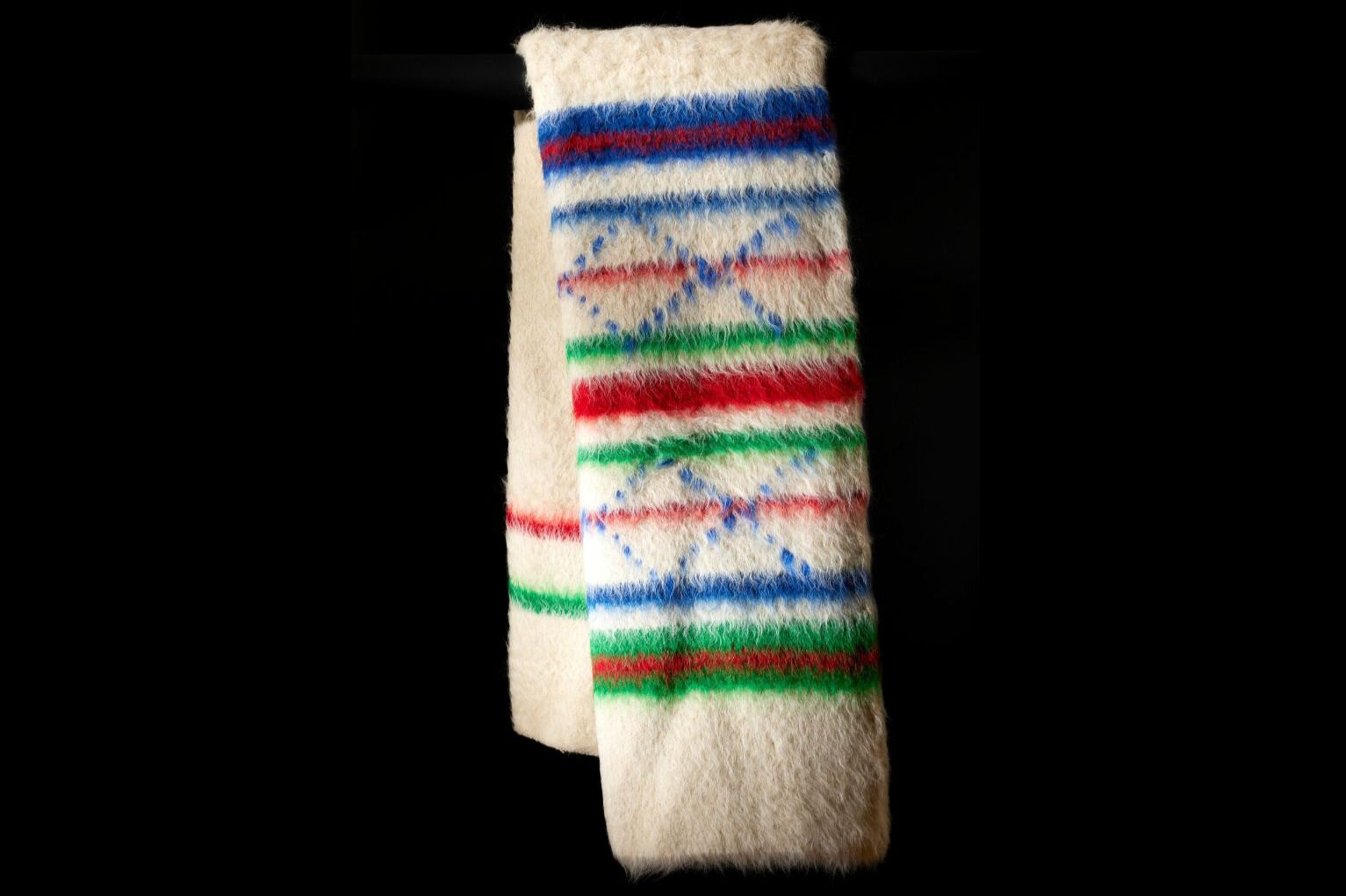
Cobertor de papa bordado. Associação O Genuíno Cobertor de Papa. Maçainhas de Baixo, Guarda ©DGARTES/Vasco Célio-Stills/2023
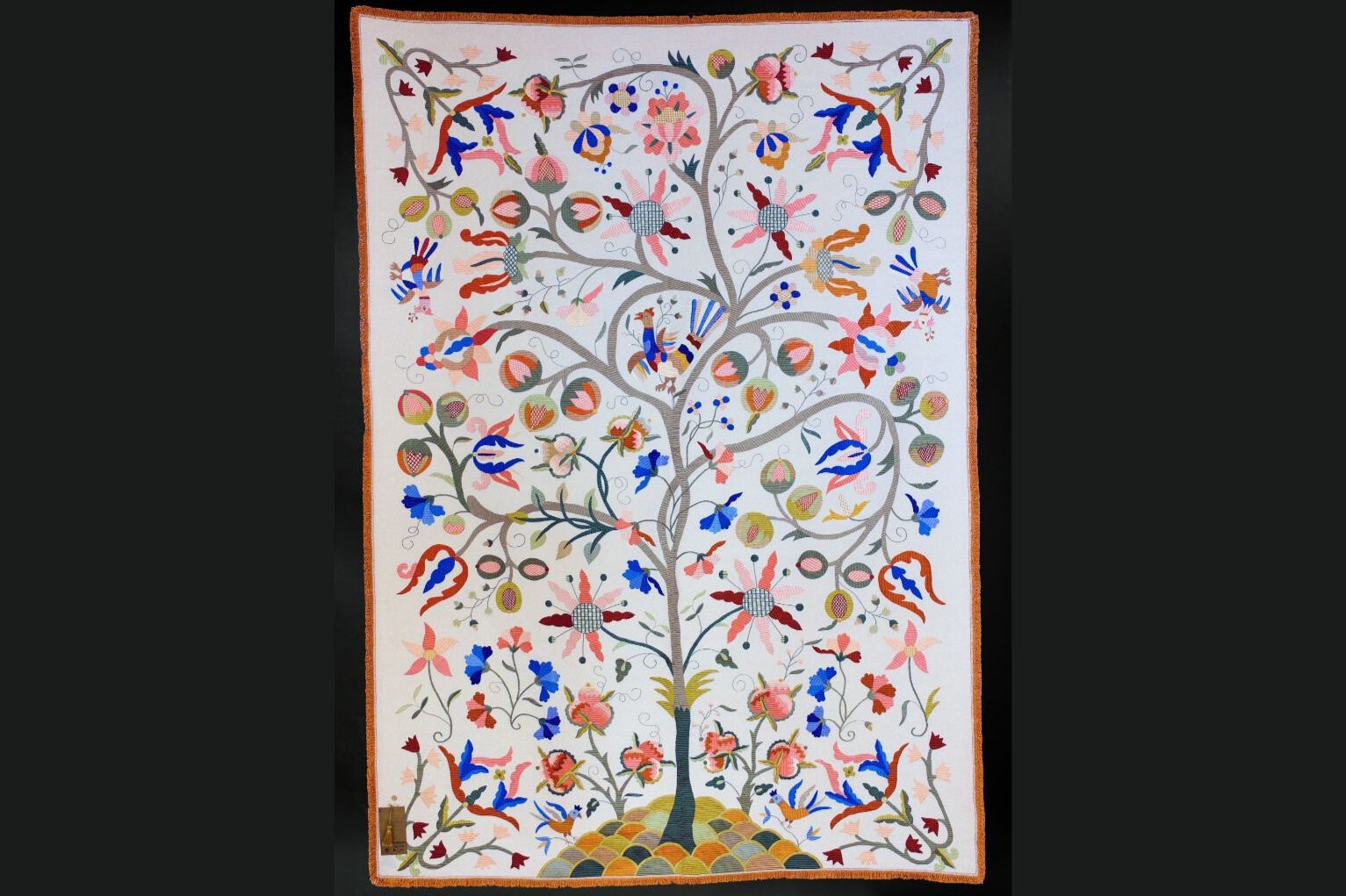
Colcha com a Árvore do Paraíso. Lurdes Baptista, Gracinda Marques, Ana Pereira, Anabela Rosindo e Rosa Gonçalves. Centro de Interpretação do Bordado, Castelo Branco ©Município de Castelo Branco
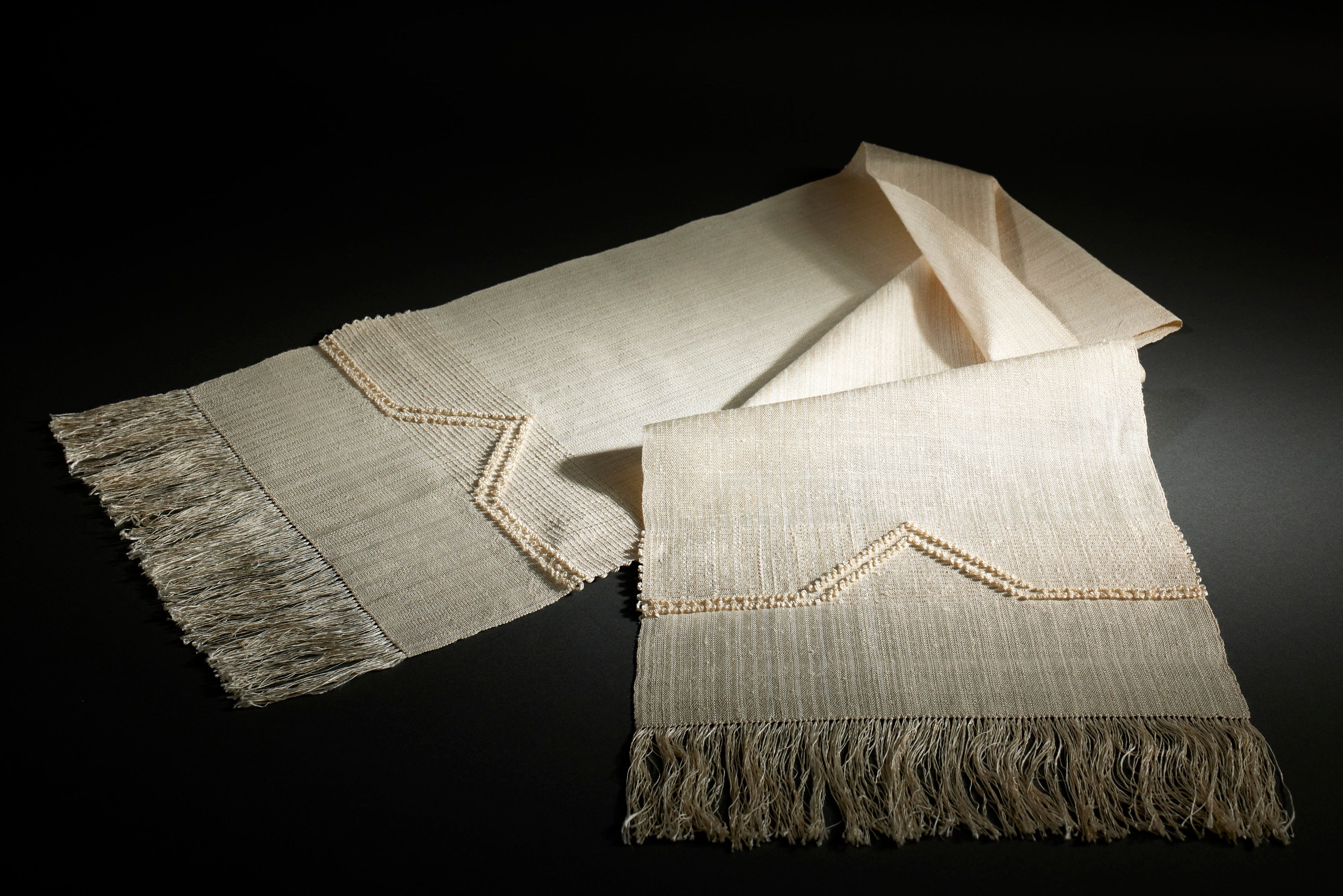
Écharpe. Júlia Braz. Museu da Seda e do Território, Freixo de Espada à Cinta ©DGARTES/Vasco Célio-Stills/2023
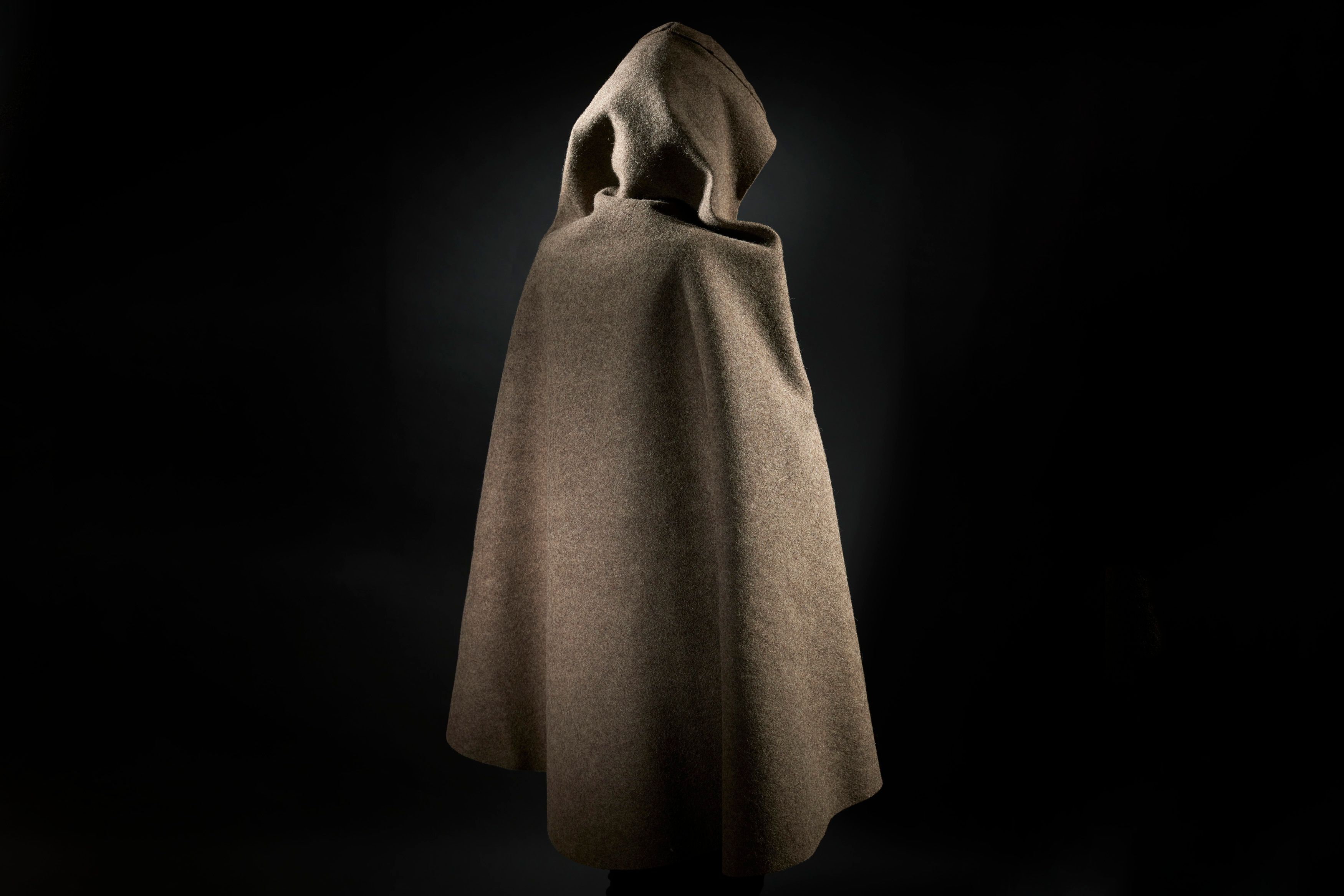
Capa “Ilha”. À Capucha, em colaboração com Helena Cardoso e Grupo de Artesãs de Arões. Arões, Vale de Cambra ©DGARTES/Vasco Célio-Stills/2023
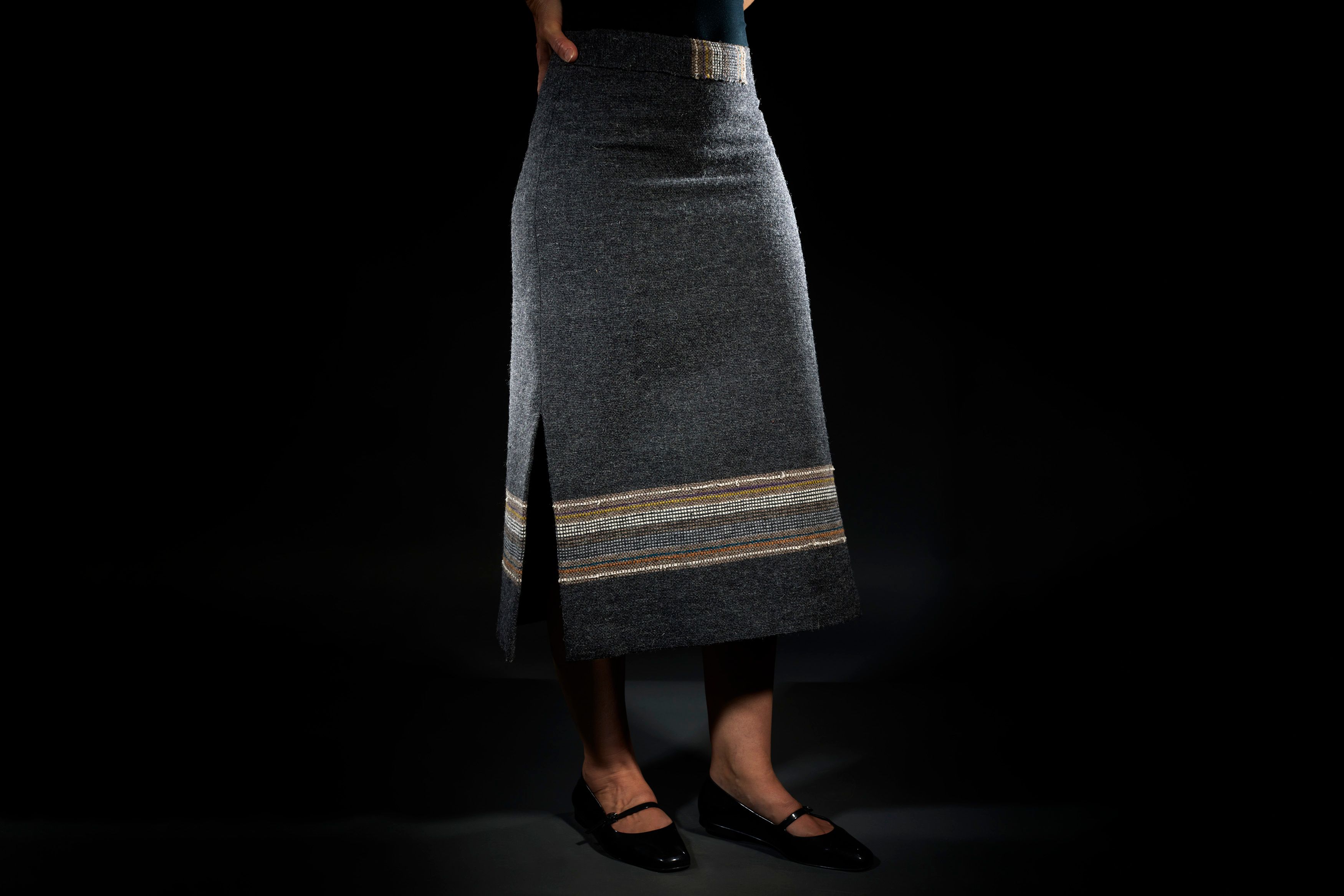
Saia “Antracite”. Capuchinhas. Gosende, Castro Daire ©DGARTES/Vasco Célio-Stills/2023
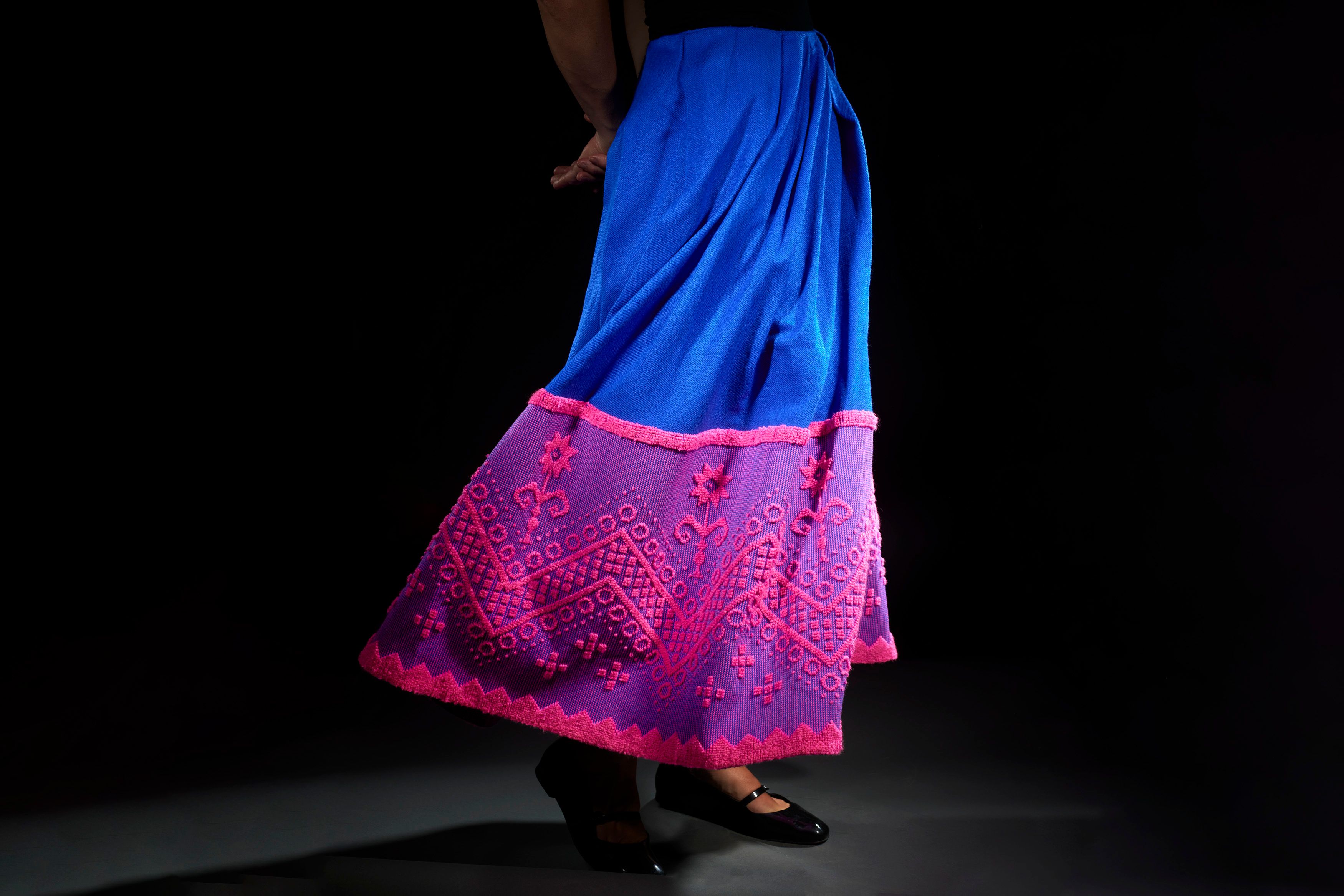
Saia Rica. Casa do Trabalho do Nordeste, em colaboração com José António Tenente e Isabel Roque. São Miguel, Açores ©DGARTES/Vasco Célio-Stills/2023
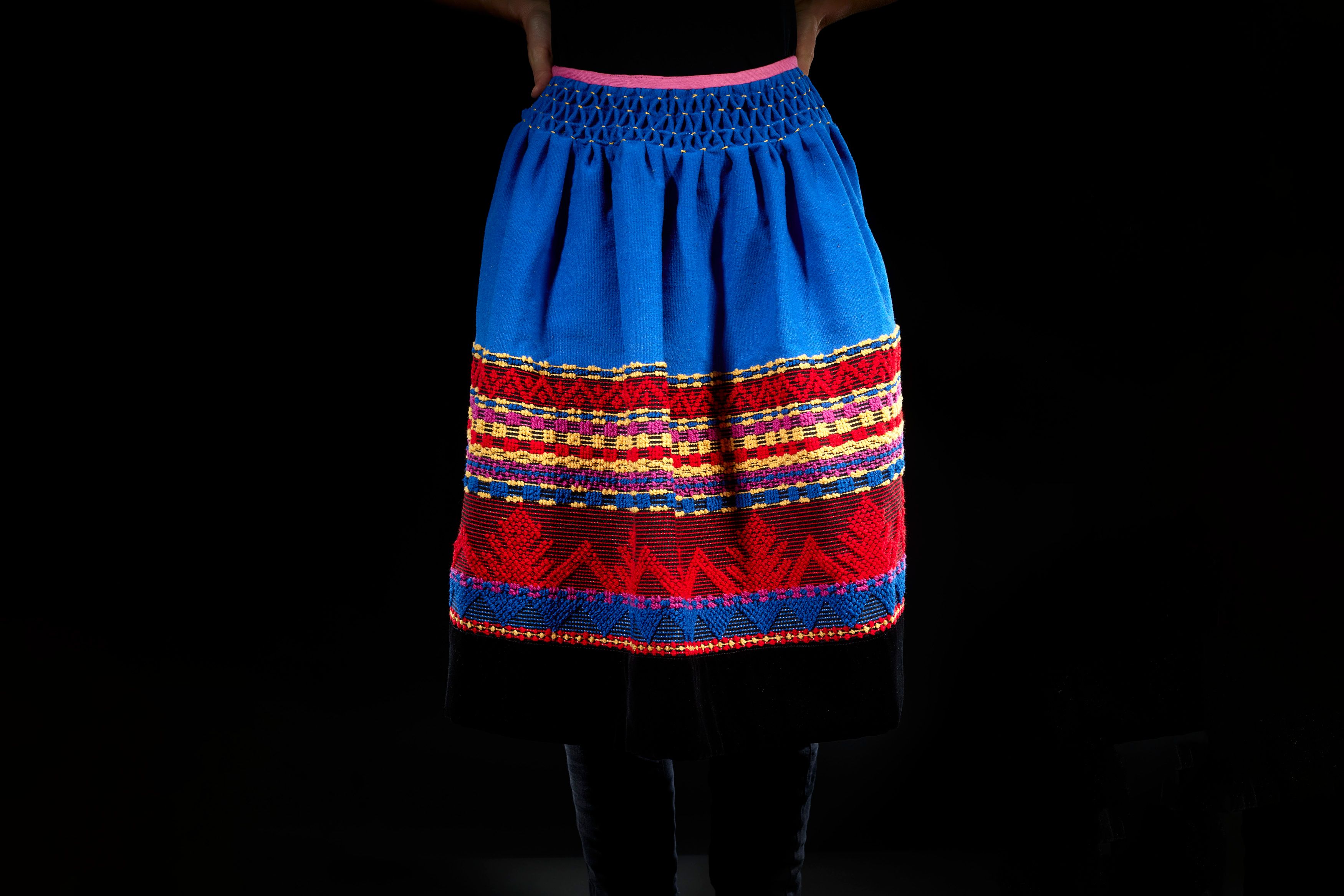
Avental do traje regional do Baixo Minho. Fernando Rei (TEARTE). Aboim da Nóbrega, Vila Verde ©DGARTES/Vasco Célio-Stills/2023
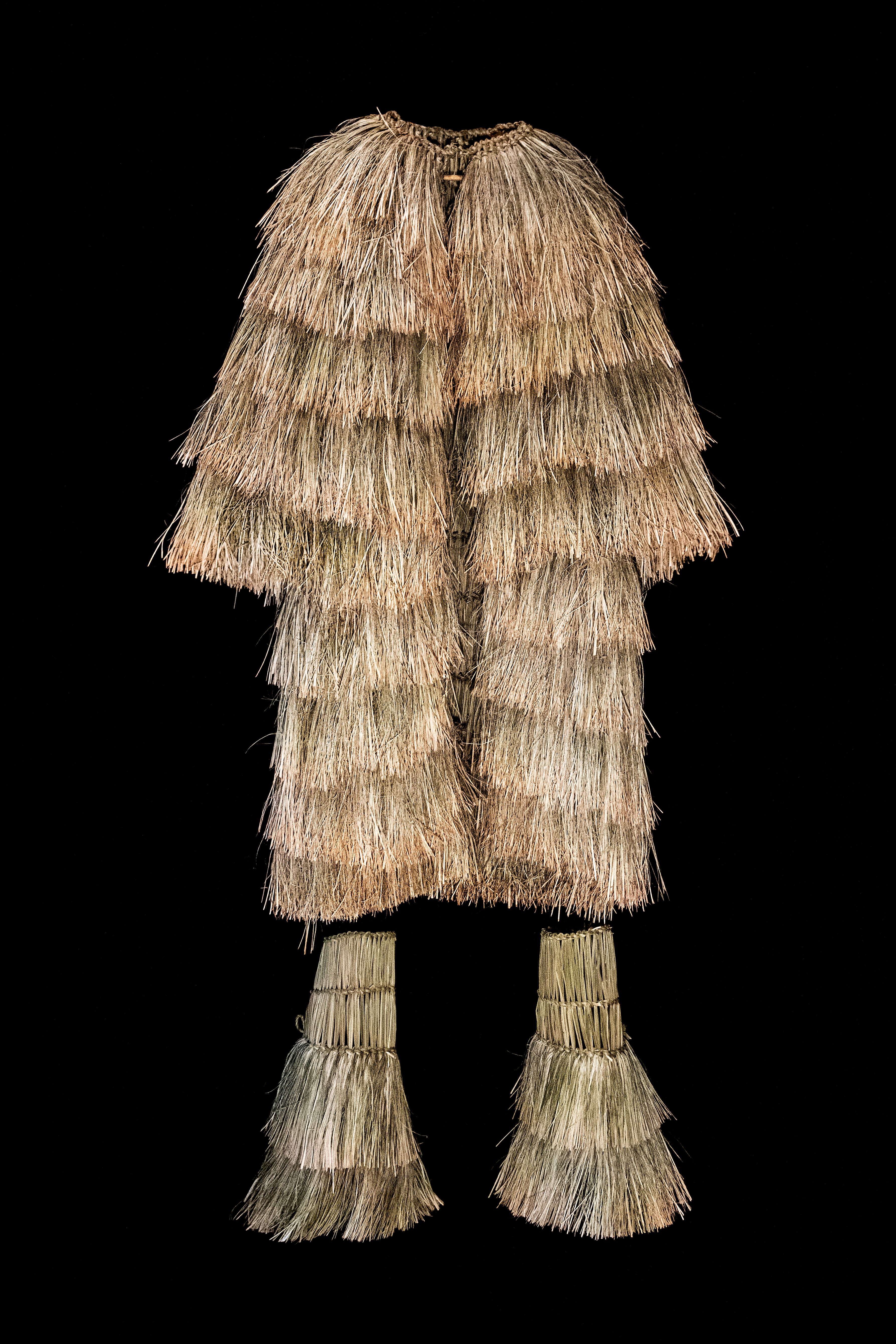
Croça ou Palhoça. Cristina Cardoso (Casinhas de Colmo). Termas do Carvalhal, Castro Daire ©DGARTES/Lino Silva/2023
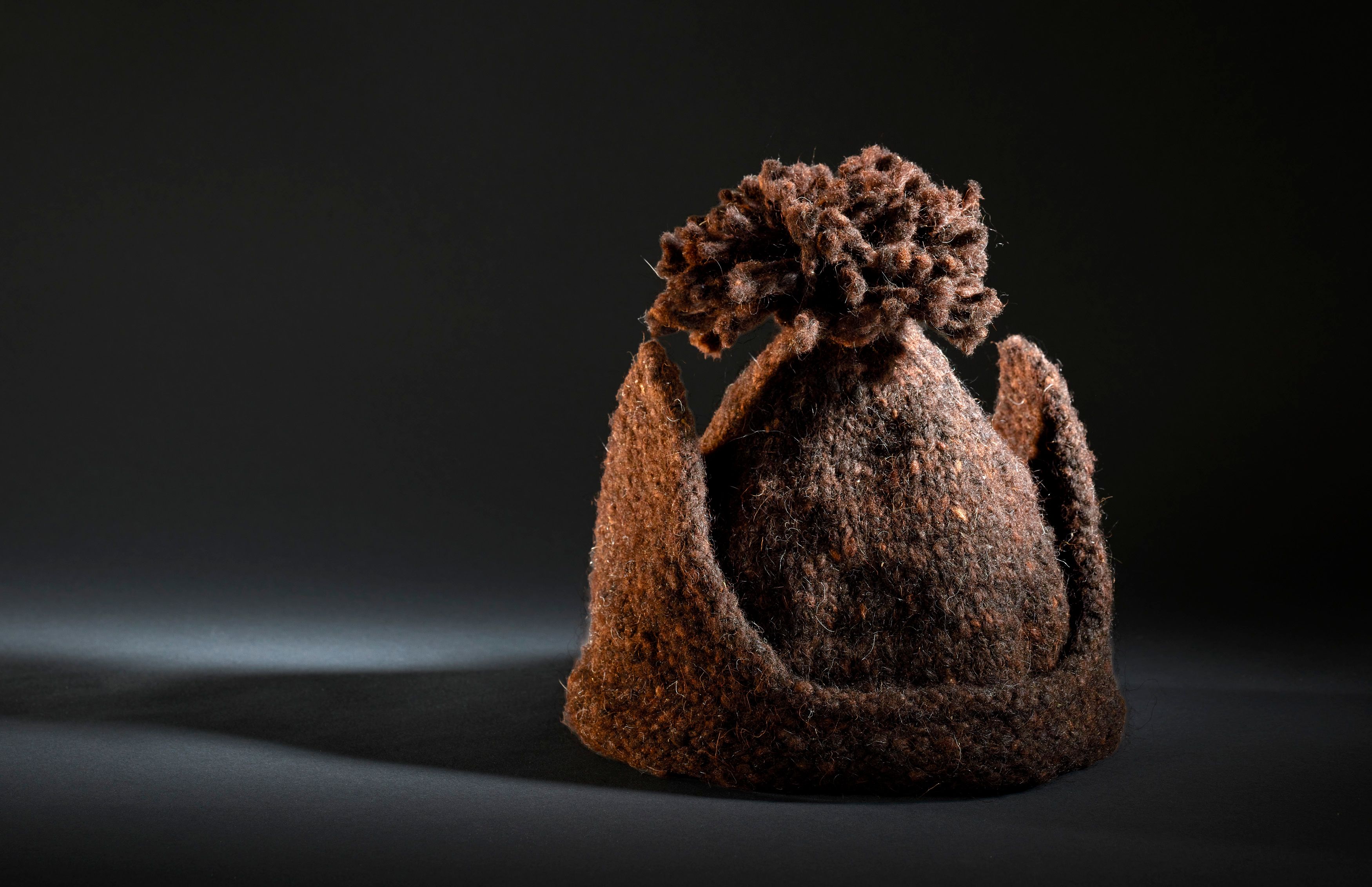
Barrete de Orelhas ou Barrete de Vilão. Isabel da Eira (Enfia o Barrete). Camacha, Madeira ©DGARTES/Vasco Célio-Stills/2023
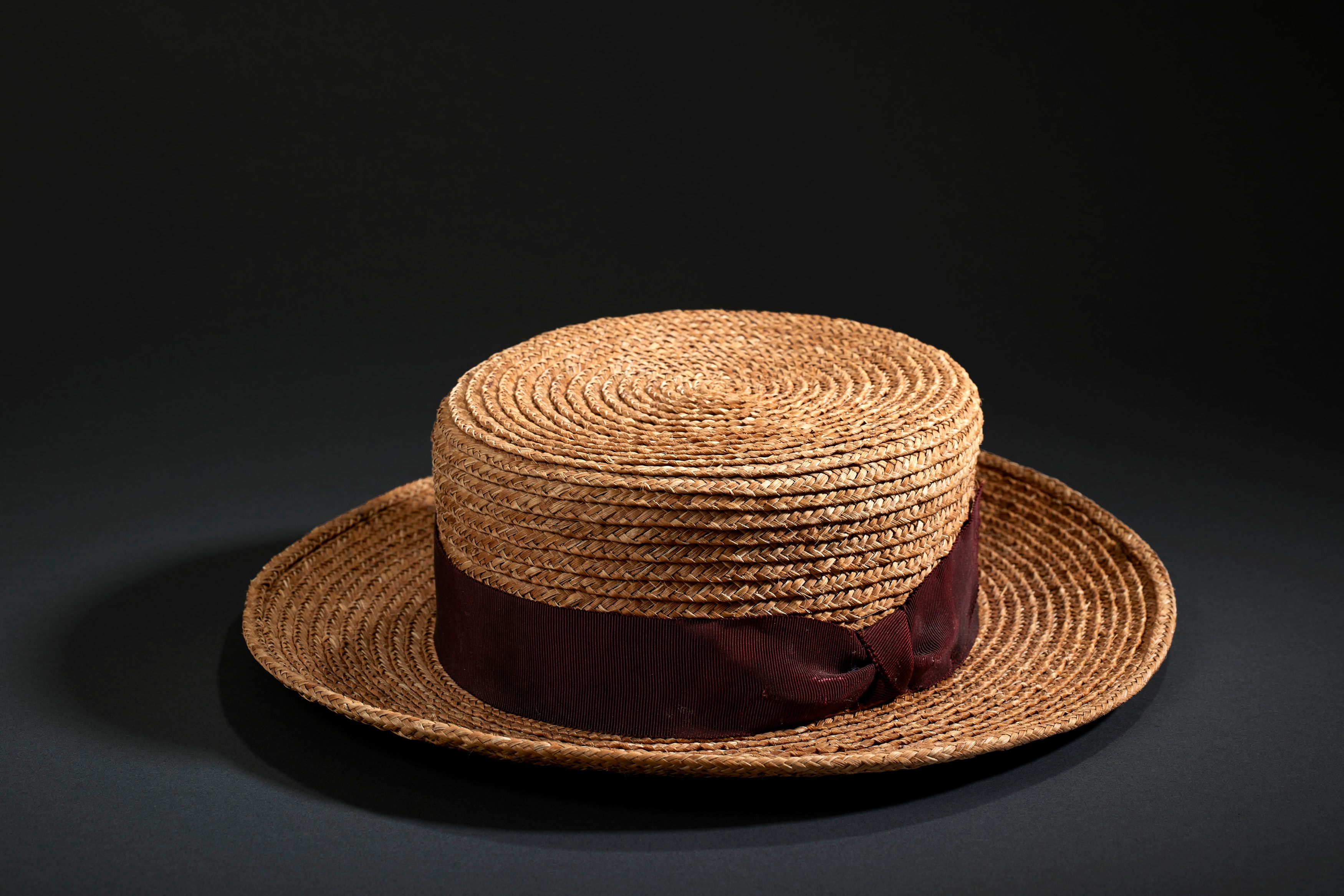
Chapéu. Maria Alzira Neves e Maria Conceição Neves. Pico, Açores ©DGARTES/Vasco Célio-Stills/2023
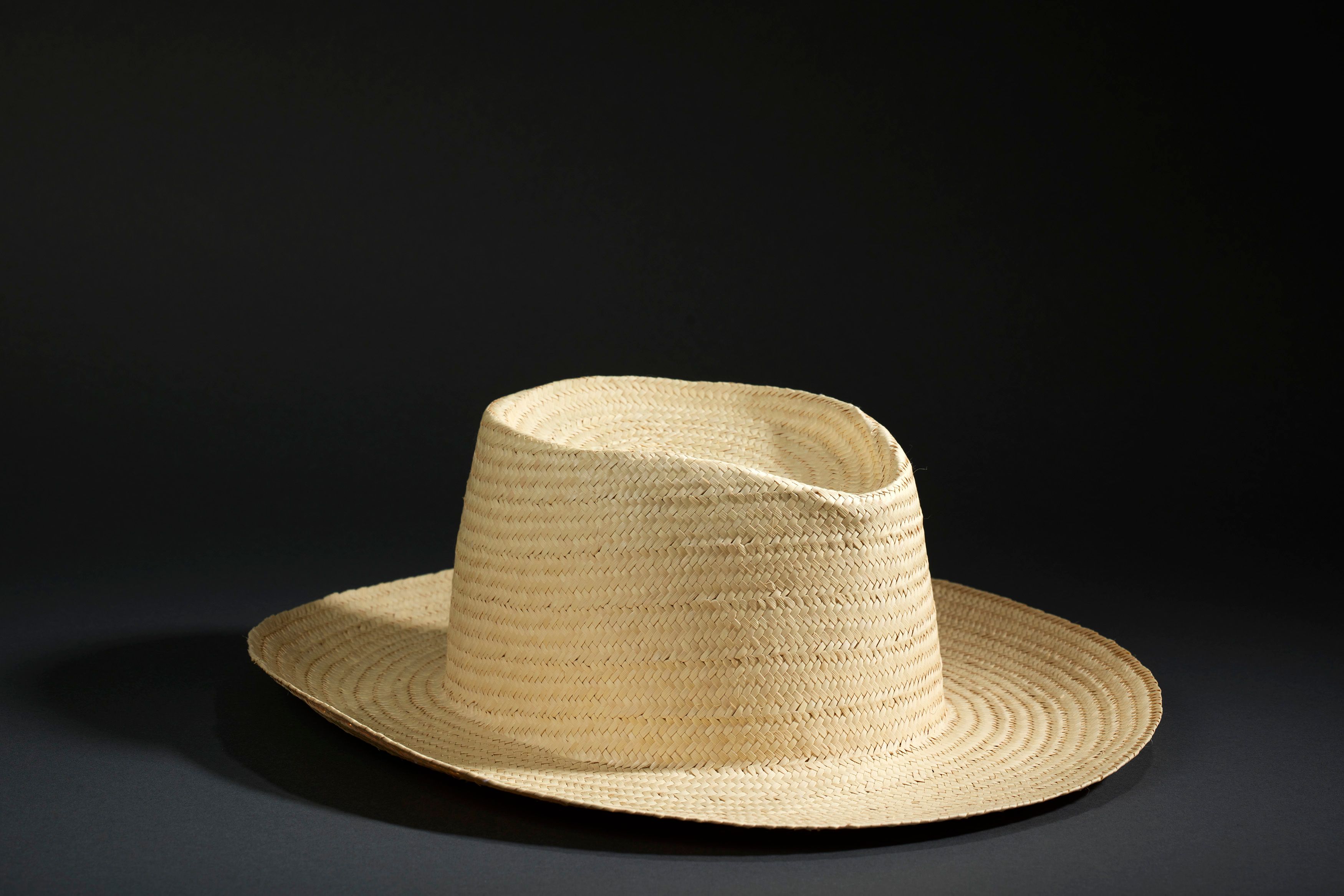
Chapéu. Maria Amélia Melim. Porto Santo, Madeira ©DGARTES/Vasco Célio-Stills/2023
Landscape
Objects produced from resources obtained directly from nature inherently carry the landscape within them. They are made from plant species that grow naturally in the area, such as cane, palm, bulrush, giant feather grass and cork, or from materials deliberately cultivated for subsequent processing, such as willow and flax, among the fibres most widely used in Portugal. Carrying a basket woven from palm fibre is like carrying a small fragment of the Algarve’s mountain landscape. A cork lunch box from Portugal’s pastoral and cork oak regions embodies the landscape from which it originates. The country’s native sheep breeds graze and thrive in these landscapes, and their wool is used to create a variety of products that differ from region to region. Clay, too, is extracted from the earth, and its natural characteristics determine the diverse forms of pottery produced throughout the country.