
Mimosa

Material

Common name(s) in Portugal

Mimosa, Acácia-dealbata, Acácia-mimosa, Bichaneiras

Scientific name

Fabaceae - Acacia dealbata Link

Distribution across the national territory

Mainland Portugal and the archipelagos. It occurs on the edges of woodland, pine forests and scrubland, on dunes, along riverbanks, on highly exposed slopes, and on verges and embankments.
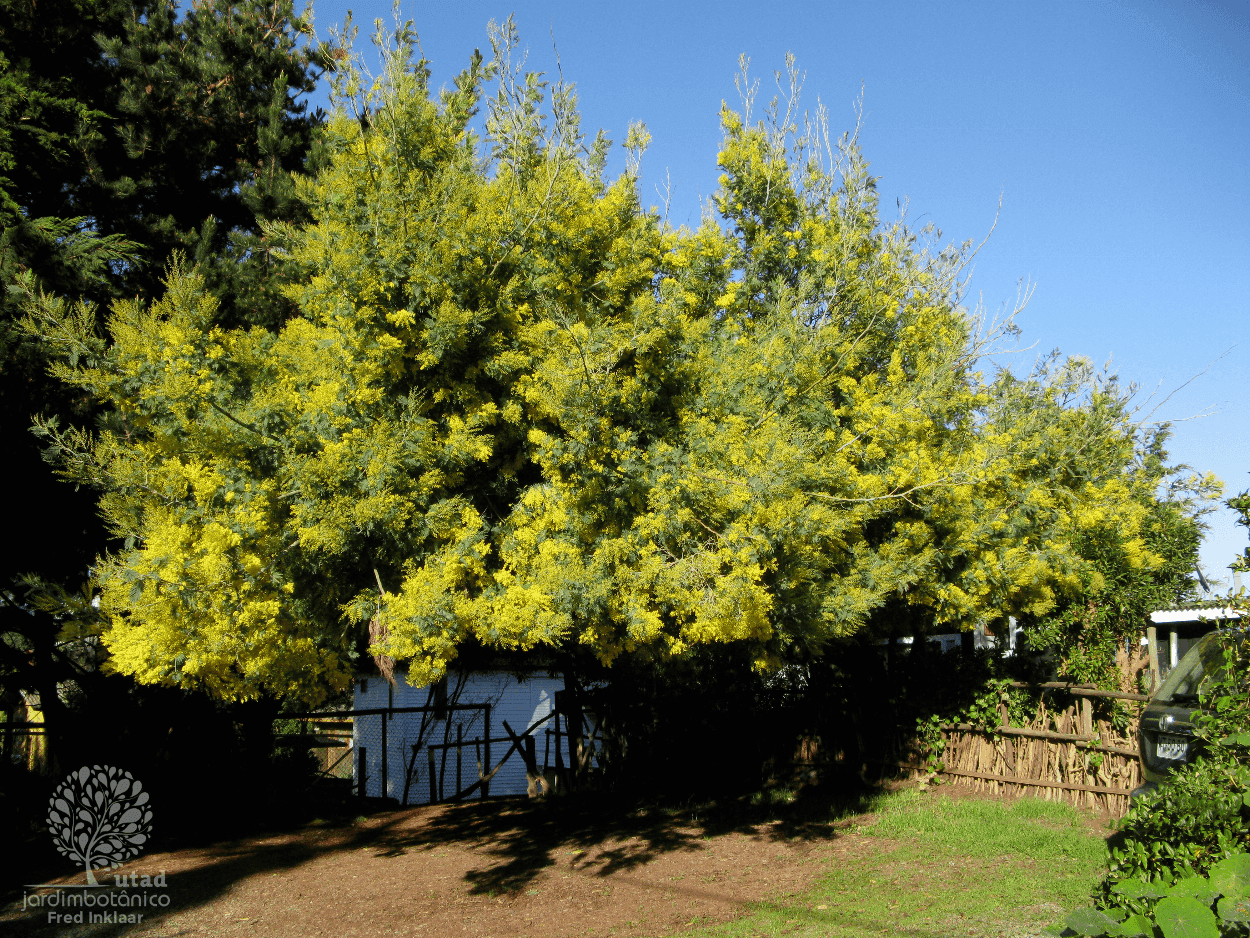
Imagem da espécie Acacia dealbata por Fred Inklaar ©Jardim Botânico UTAD, Flora Digital de Portugal
Acacia dealbata is one of the ten species of the genus Acacia Mill. known in Portugal. Native to south-eastern Australia, the mimosa acacia was introduced to Portugal in the mid-19th century and was extensively cultivated and spread due to its importance as a source of raw material. The mimosa, as this species is commonly known, is included on the National List of Invasive Species (Annex II of Decree-Law No. 92/2019 of 10 July). It reproduces vegetatively or by seed, lives for between 30 and 40 years, is a fast-growing plant, can reach a height of 15 metres and is found in virtually all regions of Portugal, including the island of Madeira. It can be found in the Montesinho Natural Park, the Peneda-Gerês National Park, the North Coast Natural Park, the Serra da Estrela Natural Park, the Serra de São Mamede Natural Park, the Sado Estuary Nature Reserve, the Guadiana Valley Natural Park and the Southwest Alentejo and Vicentine Coast Natural Park. Its smooth trunk is greyish in colour; its leaves are evergreen, greyish-green and bipinnate; it flowers from January to April, producing bright yellow flowers that cluster in large panicles. It produces long, reddish-brown pods covered in a waxy coating.

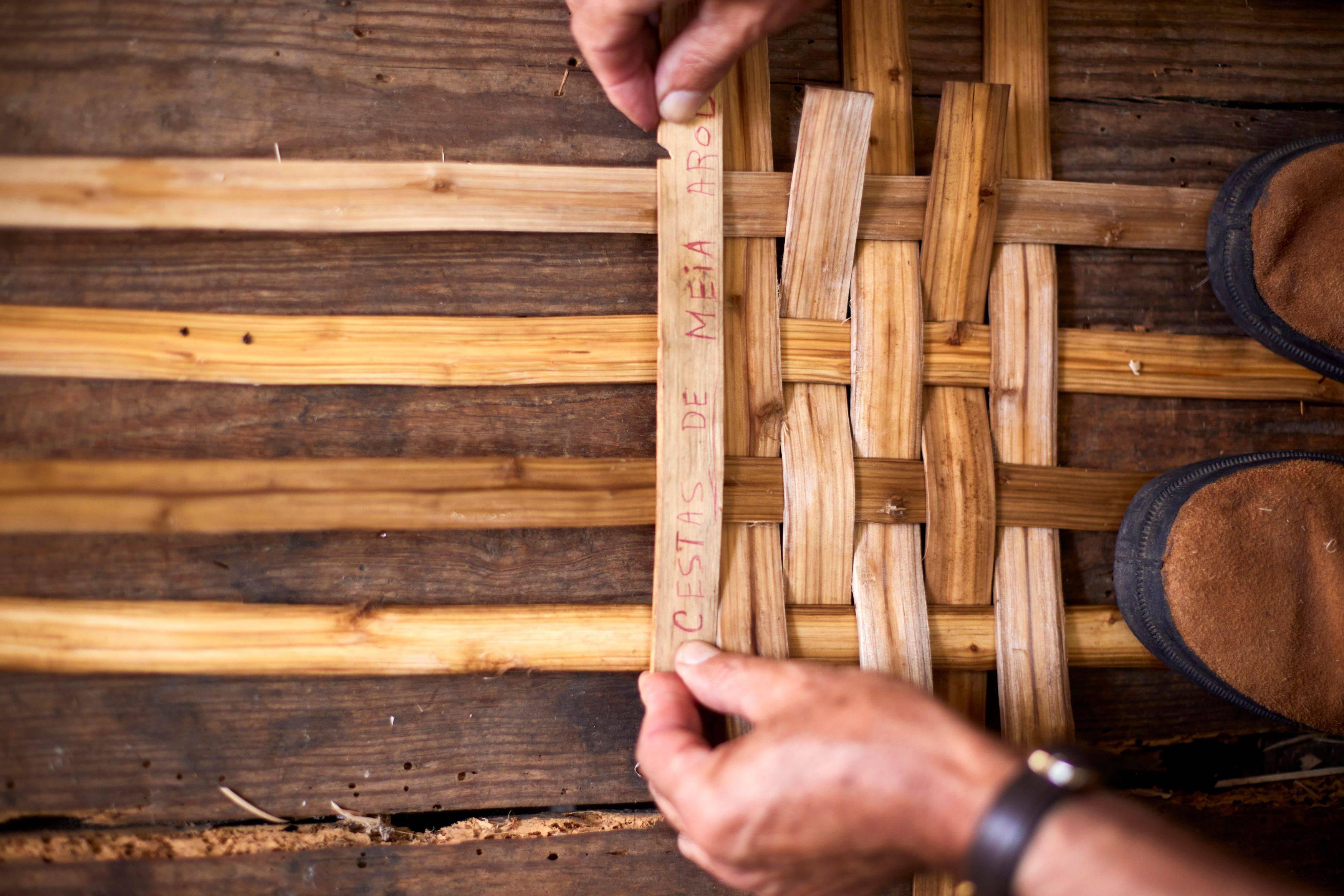
The wood of the mimosa acacia is used in the production of split-wood basketry; however, it is not the only species of acacia used for this purpose, as the species Acacia melanoxylon R.Br. is also utilised.


Webography

gallery

Learn more

Itinerary: Split Wood Baskets

From tree to basket