map of Embroidery
Embroidery
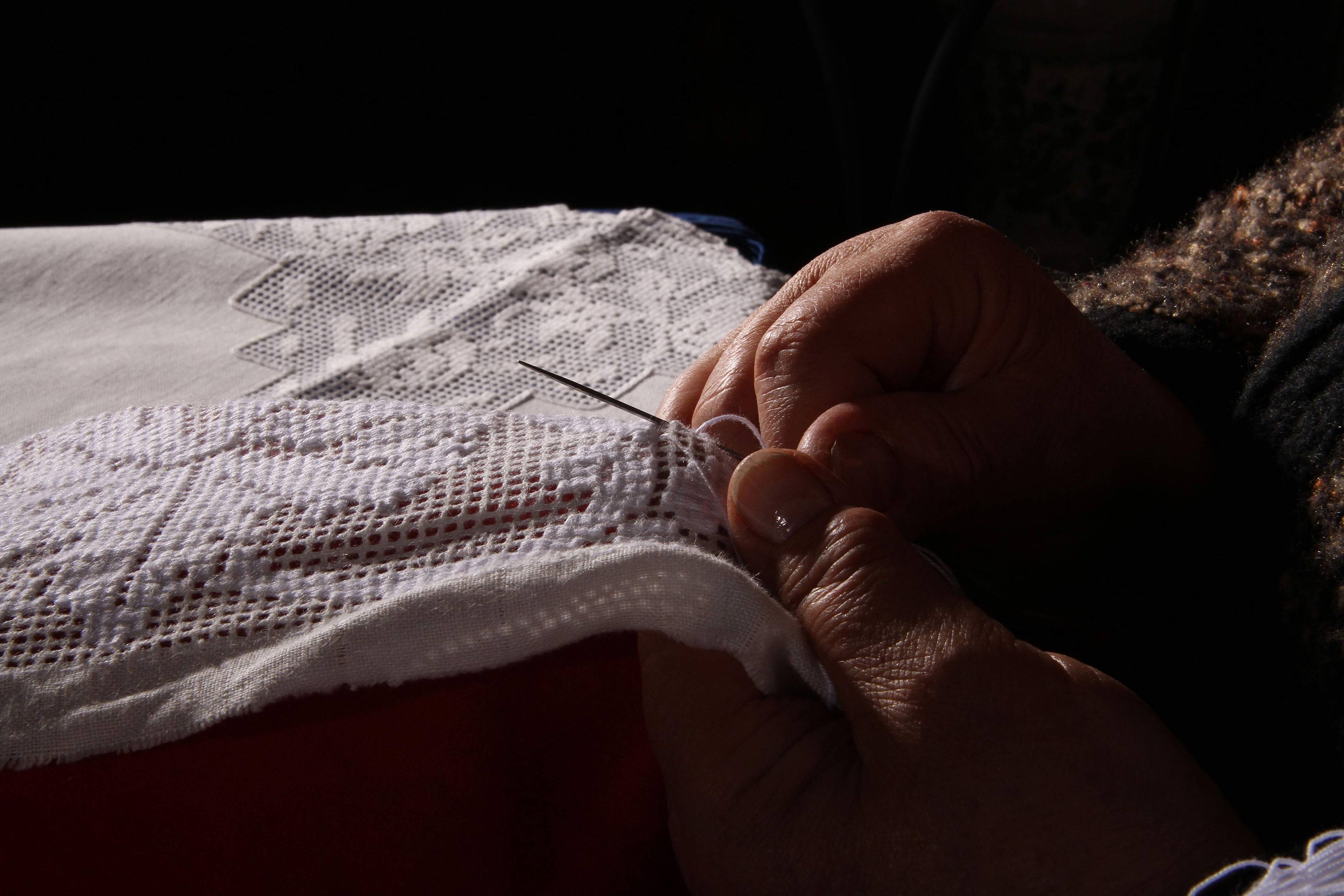
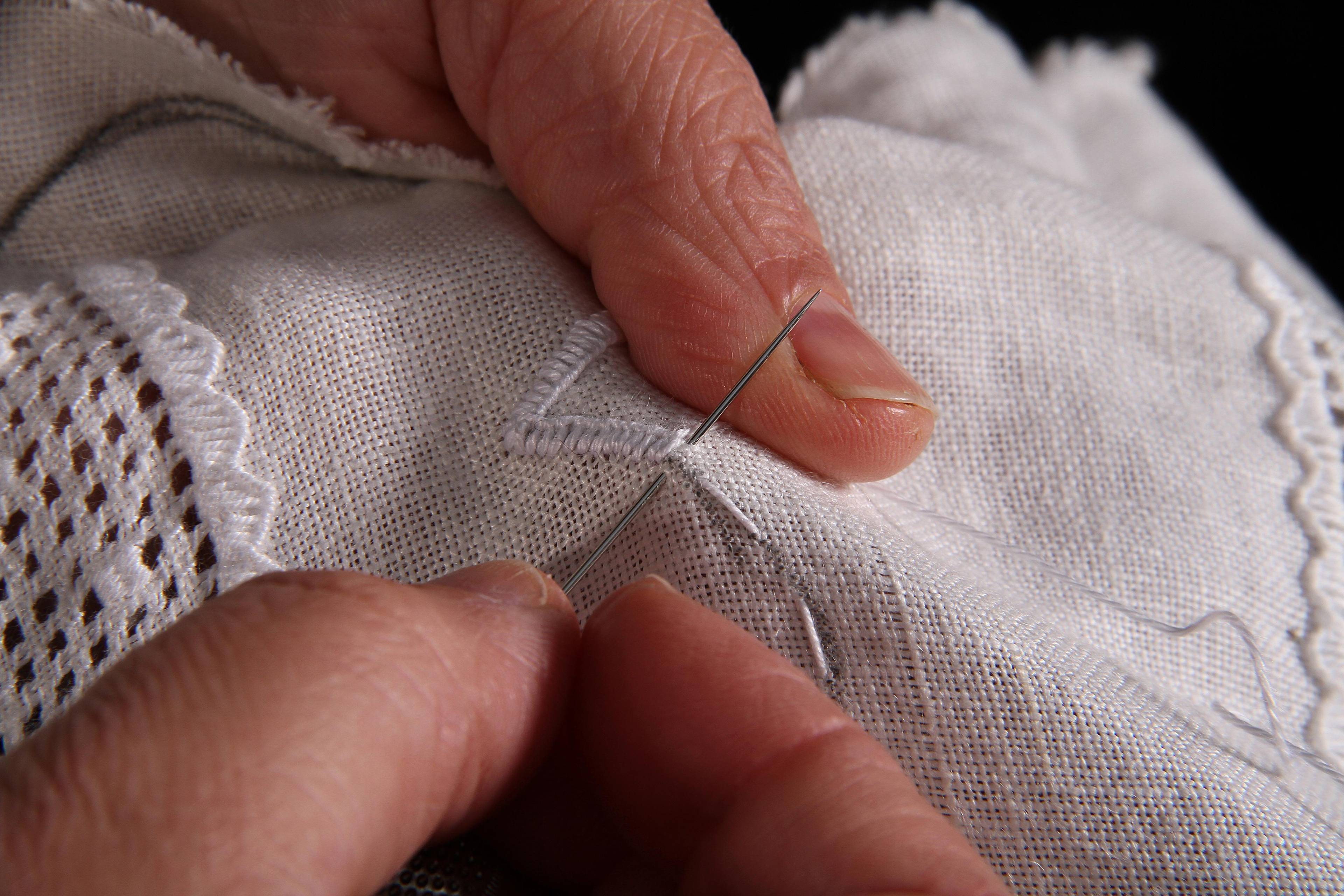
The art of embroidery encompasses a vast array of techniques and materials, all of which share the common feature of creating decorative motifs on fabric using a needle and thread. Embroidery types are classified according to the techniques and materials employed. Certain terms also distinguish styles of traditional embroidery according to their use (wall decoration, art, ecclesiastical purposes, clothing, etc.) and their place of origin. Ranging from the utilitarian to the decorative and symbolic, the vast universe of embroidery – in terms of the variety of styles, geographical reach and social ubiquity – constitutes a unique form of heritage that is inextricably linked to the female experience and the way in which this has developed over time.
Embroidery is an ancient artform that, with varying degrees of sophistication, responds to the desire to embellish fabrics, whether in clothing, for domestic use or religious purposes. References to stitching techniques that could be classed as embroidery date all the way back to prehistoric times, evident in the sewing and ornamentation of fur garments. Sources from ancient civilisation have plentiful references to embroidery on clothing and fabrics, often alluding to the splendour of the nobility and religious institutions (SILVA: 1). The gradual arrival of different peoples and cultures in Portugal saw the assimilation of embroidery techniques and materials that today are an established part of the country’s repertoire in this artform.
In Bordados e Rendas nos Bragais de Entre Douro e Minho, António Teixeira de Sousa identifies several factors in the development of embroidery in this part of northern Portugal: ‘The landscape and climate, the abundance of manor houses and the strong presence of the Church, which established itself here early on and was a major consumer of the lace and embroidery used to keep ecclesiastical vestments in their opulent condition. The high concentration of convents of nuns in the Entre Douro and Minho region also had a major influence on the production of lace and embroidery; from the 17th and 18th centuries onwards, it was in these convents that most daughters of the nobility received their education, which included instruction in needlework.’
A chronological study of the evolution and transformation of artisanal embroidery reveals that its production and uses gradually broadened over time. From the 19th century onwards, embroidery became a major pastime for women, both as a leisure pursuit and as a means of supplementing the family income. The establishment of Industrial Schools in Guimarães, Covilhã and Portalegre, alongside the introduction of needlework into the curriculum for girls’ schools, reinforced the skills traditionally learnt within the home and contributed towards the standardisation of motifs, the refinement of techniques and regional diversification in the art of embroidery. Production for commercial purposes increased, and in the first half of the 20th century, driven largely by the cultural policies of the Estado Novo regime, the art of embroidery came to be seen as part of Portugal’s cultural heritage.
Like other arts, embroidery was greatly influenced by contact with aesthetics and practices arriving in Portugal from other parts of the world, especially with the opening of new maritime routes. Many of the motifs employed by embroiderers reproduce or stylise decorative elements from ceramics, gilded woodcarvings, paintings and sculptures, reflecting the prevailing aesthetic trends of each age.
Although the art of embroidery was practised throughout the country, specific centres of production distinguished themselves through the emergence of professional commercial enterprises, albeit typically modest in scale. These centres boosted the scale and renown of particular types of embroidery and developed their own distinctive characteristics, most notably in Castelo Branco, Arraiolos, Nisa, the island of São Miguel (Azores), the island of Madeira, Tibaldinho, Lixa, Guimarães and Viana do Castelo (MEDEIS: 94).
Beyond its decorative function, embroidery applied to clothing, vestments or accessories serves an intrinsic social and symbolic function due to its association with wealth, social status and economic power. At the same time, it has become the most accessible form of decoration for clothing and the home, both because it is a domestic craft that can be adapted to different materials and because of its creative versatility, which allows the creator to depict everyday life or imagined designs, as well as reproducing ornamental motifs from ceremonial objects such as porcelain, tapestries and jewellery. In some instances, it has acquired a certain sentimental value, as exemplified by the tradition of lenços dos namorados (lovers’ handkerchiefs).
While embroidery was the sole preserve of stately homes and convents during the medieval period, over time it made its way into manufacturing workshops and ordinary households. Young girls would start preparing their trousseau by embroidering sheets, towels and undergarments, usually made of linen. At the same time, embroidery became a source of supplementary income for many women, who worked from home and on commission. Although embroidery tended to be a female pursuit, some records attest to men taking up the art, especially in professional workshops from the 16th century onwards (SILVA: 14).
The relative ease of production in terms of workspace, materials and tools has contributed greatly towards the continuation of domestic production, alongside the emergence of professional production units.
The practice of embroidery requires a base on which to embroider, such as a fabric or another pliable material. Linen, cotton, tulle, leather and burlap are all traditionally used. There are also examples on braided palm leaves and rush mats.
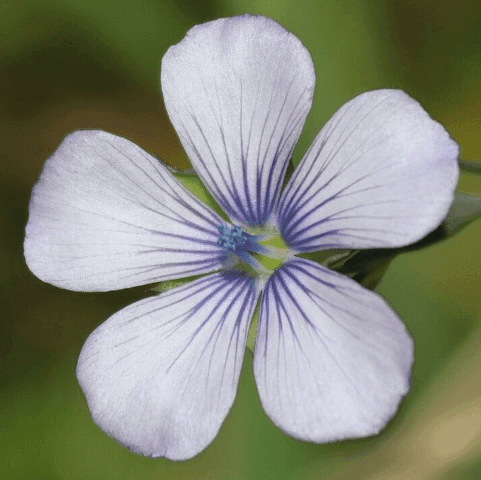
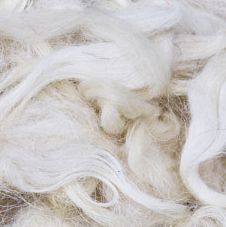
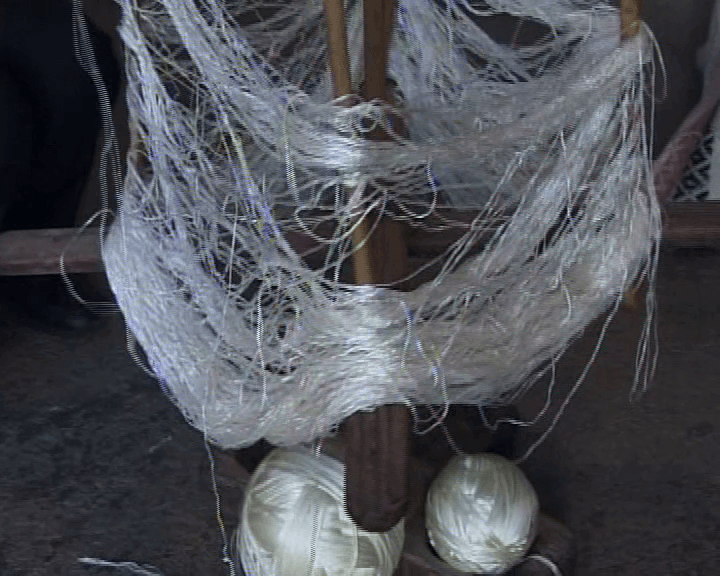
The thread used for embroidering on the base material may be of plant origin (linen or straw), animal origin (
silk or
wool) or metal (gold or silver). Threads made of silk, linen, cotton or wool are most commonly used, consisting of a set of twisted strands that vary in number, quality and strength. The quality of the thread determines its resistance to being passed repeatedly through the fabric and subjected to pulling forces without breaking or fraying. The embroiderer selects the type of thread based on the desired finish and the technique to be employed.
Embroiderers use needles of various sizes, as well as scissors, a thimble, a tape measure, a hole punch, an ironing board and iron, pins, clamps and clips, drawing materials and tailor’s chalk. Depending on the fabric and technique, an embroidery hoop or frame may be required to keep the fabric taut and make working easier. Embroidery hoops are usually made of wood and come in various sizes and shapes. They can be simple, consisting of two rings, or more complex, with floor or table stands.
There are myriad embroidery techniques, which can be distinguished according to the materials used and the type of stitches employed. Calvet de Magalhães (MAGALHÃES, 1959) suggests the following classification by technique:
- counted-thread embroidery where stitches completely cover the fabric;
- counted-thread embroidery where stitches do not completely cover the fabric;
- embroidery without counted threads, or free-style embroidery;
- flat embroidery and raised embroidery;
- embroidery on fabrics from which threads have been removed, such as openwork and ajour or pulled-thread embroidery.
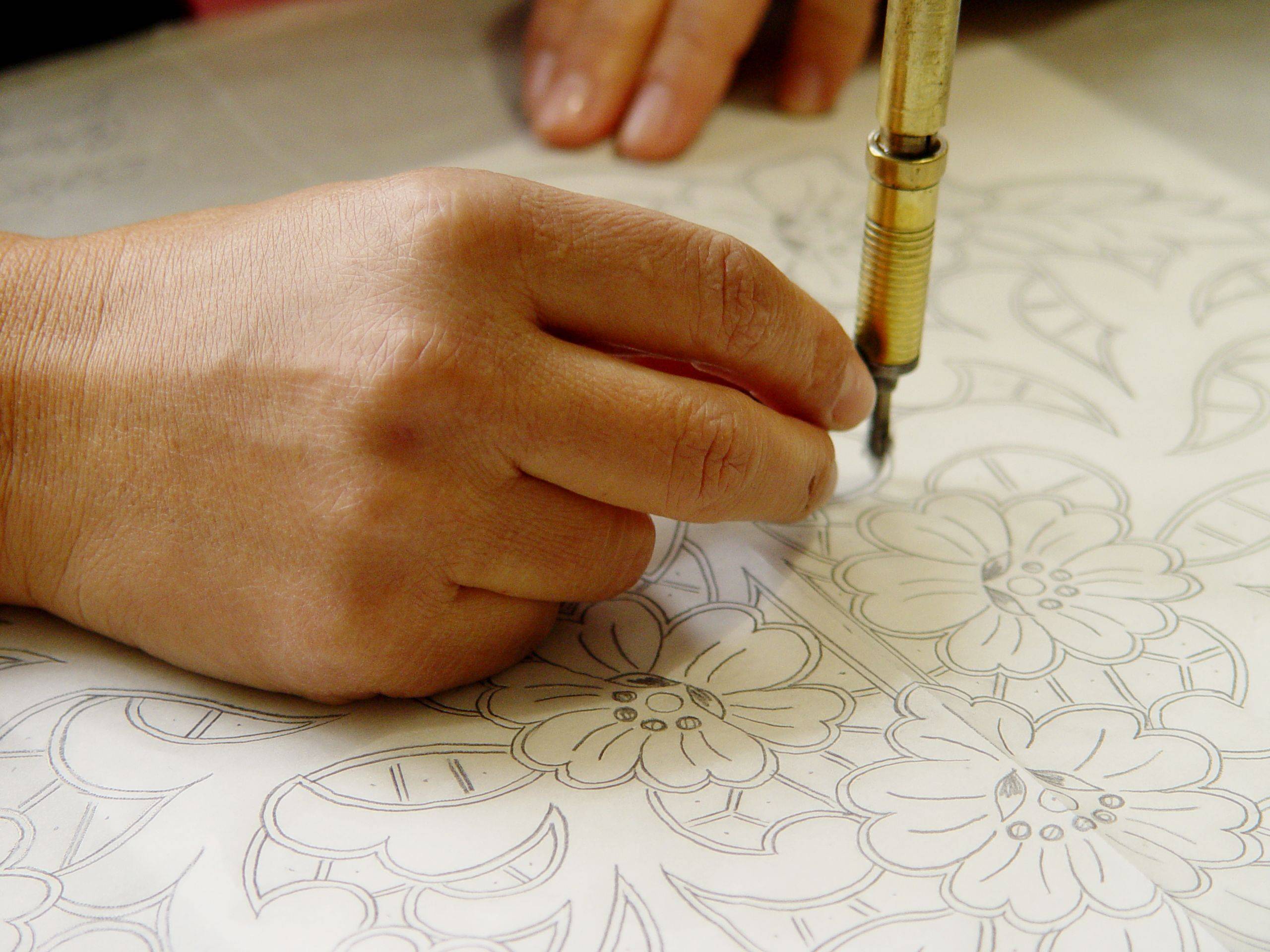
The composition and marking of the design on the fabric is a fundamental stage in certain types of embroidery. In larger workshops, this process is carried out by specialised staff; otherwise, it is undertaken by the embroiderer themselves. Starting with a drawing on paper – often depicting only parts of a pattern – the design is transferred to the fabric using tracing paper and pencil, carbon paper or transfer paper. Dealing with scale, calculating the number of motif repetitions, defining the centre and marking the borders all require great precision. Transferring the design accurately onto the fabric can ensure the quality of the final piece.
Questões como a escala, o número de repetições dos motivos, a definição do centro ou a marcação dos frisos, exige grande rigor. A correta passagem do desenho para o tecido influencia de forma determinante a qualidade da obra final.
The stitch forms the foundation of any embroidery technique. It is chosen according to the desired result and is often reflected in the name of the technique itself. Most types of embroidery feature several different stitches in a single piece of work. Some stitches have been ‘inherited’ from standard sewing, such as the backstitch, blanket stitch, running stitch or whip stitch (MEDEIROS, 1994). Stitches are applied either on their own or in a wide range of combinations. While they may be widespread across various regions, there are specific regional variations in the way they are combined, the motifs depicted, the materials used and the colours applied. Some regional centres of production use specific stitches that have taken on the name of the place over time, such as the stitch used in Castelo Branco embroidery (ponto frouxo, or loose stitch) and the stitch characteristic of Arraiolos rug embroidery.
Plant and floral motifs are commonly depicted – with varying degrees of stylisation – as well as hearts, birds and geometric patterns. Human figures and motifs drawn from the surrounding environment or daily life appear less frequently.
The use of colour or the exclusive use of white may also serve as a distinctive feature. Embroidery worked exclusively in white can be found in styles originating from Nisa Embroidery (carmelos and alinhavados), Madeira, Lixa/Felgueiras/Lousada, Barcelos (crivo), Tibaldinho, and Terceira in the Azores. Blue embroidery from São Miguel in the Azores is another example of a monochromatic style. In Guimarães, motifs are embroidered in red, blue or white. In Viana do Castelo, white, blue and red are often combined within the same motif. Polychromatic embroidery styles include the lenços dos namorados (lovers’ handkerchiefs) from Vila Verde, characterised by their lavish use of primary colours, and embroidery from Castelo Branco, which has a colour palette all of its own. The colour palette employed in Arraiolos rug embroidery is also highly distinctive. Beyond these clearly defined characteristics, embroidery has always been fertile ground for creativity and free expression, transcending conventional classifications.
Among the most iconic examples of traditional Portuguese embroidery, various artefacts characteristic of some of the main centres are worth highlighting, having acquired designations of their own. Clothing, particularly attire reserved for festive occasions, and household linen or cotton pieces, such as tablecloths, hand towels, bedspreads, sheets, cushions, curtains and doilies, rank among the most elaborate items. Rugs are also widely produced throughout the country, using the techniques and materials established in Arraiolos. Another example is religious vestments, which for centuries constituted a market of immense importance for embroiderers. It is also worth mentioning embroidery applied to accessories such as hats, handbags, footwear, parasols, fans, shawls and scarves. In addition, embroidery is applied to small decorative objects such as jewellery boxes, framed artworks and dolls.
At a national level, present-day embroidery production is predominantly domestic in nature, although professional training centres have been established, with a focus on production, teaching and promoting and preserving specific embroidery techniques. As in other artisanal fields, there has been a marked decline in interest in this craft among younger generations. Nevertheless, a growing movement of fashion and interior designers is championing hand-embroidered pieces over machine-produced items.
Recognition of the importance of this art form, particularly through cultural heritage classification and the awarding of certifications, will hopefully foster greater interest and understanding of its economic and cultural value. The National Inventory of Intangible Heritage (DGPC) includes the Arraiolos rug-making technique, Glória do Ribatejo embroidery and Tibaldinho embroidery.
At a local level, certification schemes have been developed with the aim of safeguarding the quality and unique identity of specific techniques. These include embroidery from Viana do Castelo, Guimarães, São Miguel da Carreira (crivo style), Madeira, Tibaldinho, Castelo Branco and the island of Terceira. These and other initiatives to promote the crafts have had a marked impact, boosting both recognition of the art form and consumer demand.
Bibliography
- BRANCO, Conceição; SIMÃO, Jorge (1997). Modos de Fazer. Guia do artesanato Algarvio. Faro: Região de Turismo do Algarve
- PIRES, Ana et al. (2009). Fios, Formas e Memórias dos Tecidos, Rendas e Bordados. Lisboa: IEFP
- LIMA, Rui de Abreu de; LIMA, Eglantine M. (1997). Artesanato tradicional português III: Algarve. Lisboa: Direção-Geral de Turismo/ Associação Industrial Portuguesa
- MEDEIROS, Carlos Laranjo, coord. (1994). Bordados e Rendas nos Bragais entre Douro e Minho. Lisboa: Programa de Artes e Ofícios Tradicionais
- MAGALHÃES, M. M. Calvet de (1959). Bordados e Rendas de Portugal. Colecção Educativa, série Nº10
- SILVA, Paulo Fernando Teles de Lemos (2006). Bordados tradicionais portugueses. Dissertação de Mestrado em Design e Marketing. Braga: Universidade do Minho (disponível em https://repositorium.sdum.uminho.pt)