map of Mafra Pottery
Mafra Pottery
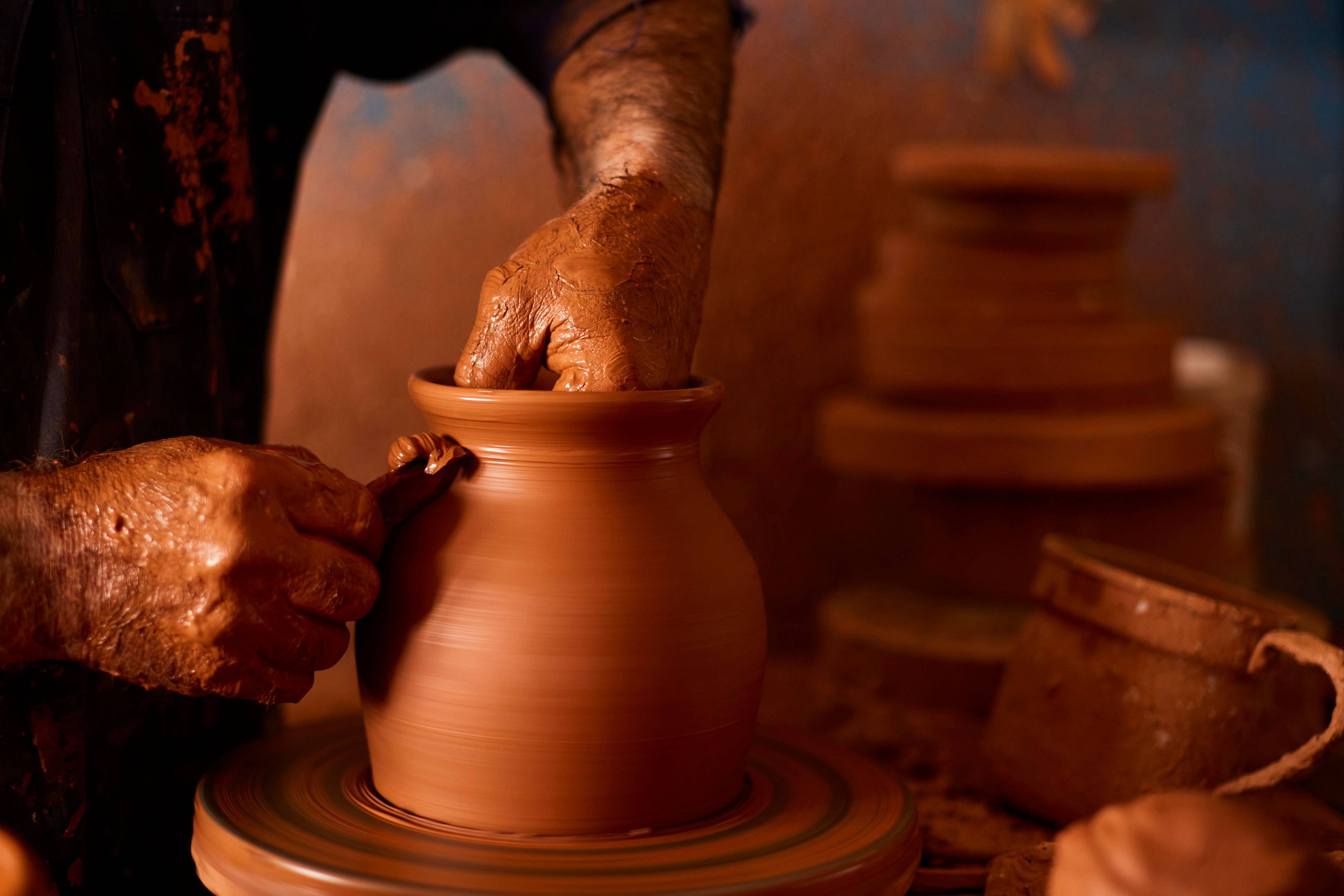
The identity of the Mafra region cannot be separated from the pottery industry, which, due to its long-standing presence and prominence, continues to this day to be one of the hallmarks that most distinguishes the municipality and stands out as one of the oldest pottery centres on the national scene.
Over the last two centuries, Mafra’s pottery industry took on enormous significance, with its pieces making its mark beyond the municipality’s borders and establishing important commercial links with other regions. These pottery items were already been widely distributed geographically in the last century, being taken from door to door or sold at markets and fairs in the centre of the country, particularly throughout the regions of Estremadura and Ribatejo.
The pottery industry in the area that makes up the municipality of Mafra dates back to time immemorial, as evidenced by archaeological finds dating from the Neolithic period, as well as by historical documents, which show that the potter’s craft was already recognised in its Charter of Privileges (1189) and in the New Charter (1513).
The construction of the Royal Palace of Mafra – inscribed on the World Heritage List in 2019 and one of the most opulent examples of Baroque architecture – is thought to have brought thousands of workers and craftsmen to the town from other parts of the country and abroad, among whom were potters. Following on from this development, mention should be made of the establishment of the Mafra School of Sculpture and the outstanding work of Machado de Castro, which may well have influenced the depictions of the popular clay modellers, the ‘barristas’.
Faced with the advent of modernity, which began to make itself felt in the second quarter of the 20th century, this industry has nevertheless managed to ensure its survival to the present day by adapting to the times and market trends, while retaining its essence as a traditional industry, in many cases of a family nature.
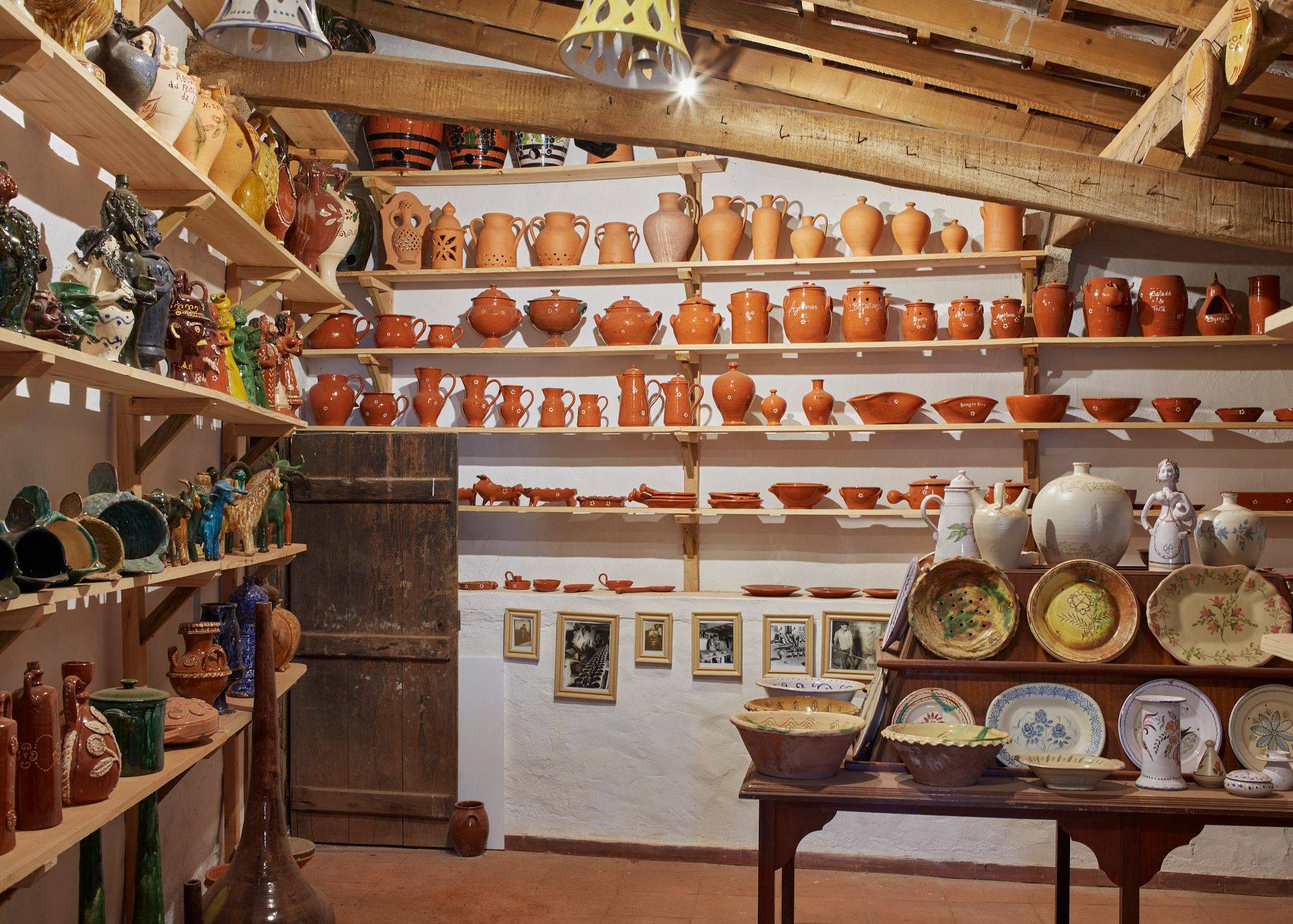
At present, the local ceramics industry is characterised by two distinct yet complementary strands: traditional pottery, which still retains its artisanal characteristics, and the production of figurines made from clay, pioneered by Master José Franco, acclaimed as one of the greatest folk clay-figure modellers of the 20th century.
Much of the pottery produced is decorative and has been reaching ever more distant markets, particularly internationally, although utilitarian earthenware continues to be produced in line with new market trends.
Despite the new circumstances brought about by globalisation, Mafra’s pottery has managed to assert its identity and, today, continues to play a significant role in the municipality’s cultural heritage. However, the greatest challenge lies in ensuring the continuity of this industry, particularly through the training of future generations.
Text by Maria Manuel Bringel, courtesy of Mafra Town Council.
Bibliography
- Feira Internacional de Artesanato de Lisboa (2003). As idades da terra : formas e memórias da olaria portuguesa. Lisboa: IEFP
- BRINGEL, Maria Manuel. «Olaria Mafrense: a sua expressividade e sobrevivência na presente centúria». Olaria: estudos arqueológicos, históricos e etnológicos, N.º 4, 2009. Barcelos: Museu de Olaria / Câmara Municipal de Barcelos, p. 30-45